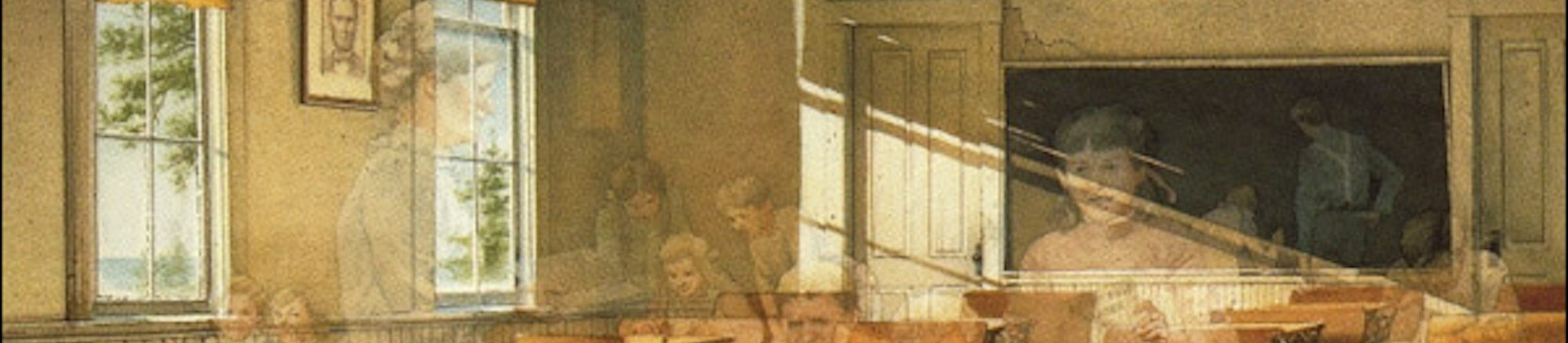
What will it take to reshape our care-worn system? Money, talent, and time.
Editor’s NOTE: There are times when Metropolis Café finds it beneficial to take a time machine back some years – just to study how our Public Education system was being looked upon at that time. The following was written in early 2002. How far we have fallen – and the same questions are being asked 17 years later. ~ Ed.
 More teachers, more vouchers, more computers, more charter schools, more tests, more federal money, more local control, more, more, more. The calls constitute a cacophony of pleas and threats, warnings and promises from public figures, parents, teachers, and other citizens – all asking for more learning.
As each call is debated, pushed, shot down, revived, and discarded again, we move around the same endless circle, once again looking for a place to stick another Band-Aid on an institution suffering from malnutrition and structural inadequacy. Continue reading
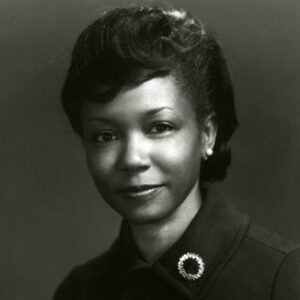 March is recognized by the U.S. Government as “Women’s History Month.” According to

 When it comes to writing, American kids just don’t cut it. Only 27 percent of eighth grade students achieve proficiency in the subject, according to The Nation’s Report Card.
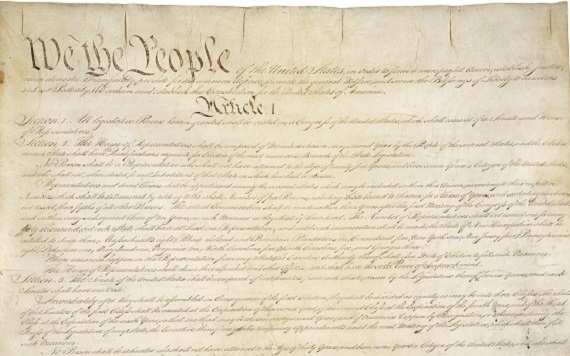 “Their revolution (the South in 1861) … was in fact an act of restoration, for the constitution drawn up in Montgomery in 1861 for the Confederate States of America was a virtual duplicate of the United States Constitution.” John McCardell in his Introduction to Jesse T. Carpenter’s “The South as a Conscious Minority, 1789 – 1861”, re-published by the University of South Carolina Press, 1990, p. xiv-xv (emphasis added)

 “Let us cross over the river, and rest under the shade of the trees.”
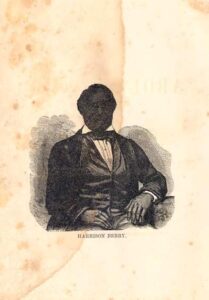 In 1861 an educated Georgia slave named Harrison Berry wrote a book explaining why he and his fellow slaves preferred their life in the South to the “so-called” freedom in the North. It was a scathing critique of the hypocrisy of Northern abolitionism, and explains why the vast majority of slaves remained loyal to the South.
 In the
 Soon the first grader would wave good bye to her four year old brother at my classroom door. But now they both sat in a wooded glade on a hot August day listening intently to my story during a home visit, a tradition in our school.
  There’s nothing quite like an old book to gain a snapshot of the linguistics of the day; many words and phrases long ago common and once well understood today are, in some cases, simply baffling, if not comical.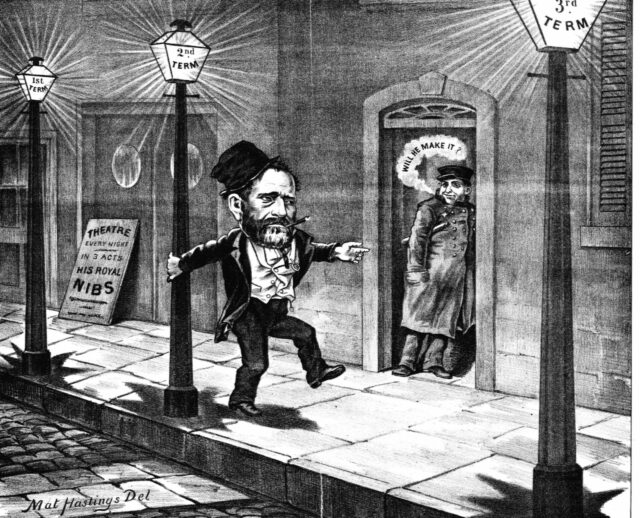
 I watched an interesting segment on the Infowars.com site on April 29th dealing with some history I had written about somewhere in the distant past. It was narrated by David Knight. I have always enjoyed watching David Knight’s commentary. He is a Christian man who is not ashamed of his faith and he lets you know that in a quiet, humble way.