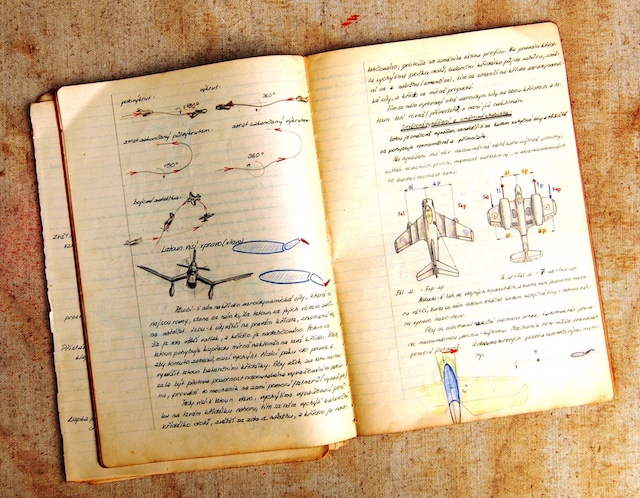
 When schools reward repetition over reasoning, speech is the first casualty.
What “like,” homeschooling, and the loss of rhetoric reveal about modern education.
The overuse of “like” is not lazy speech; it is the sound of thought struggling to keep pace with a culture that rewards reaction over reflection.
The growth of homeschooling makes that question harder to dismiss. Once treated as a marginal alternative, home education has become a serious response among families who no longer trust large institutions to cultivate attention, judgment, and speech with sufficient care. Its rise is not only a story about parental preference or educational politics. It is also a warning. When enough parents begin seeking smaller, slower, more deliberate settings, they are saying something about what the ordinary classroom has struggled to protect.
Homeschooling is not a cure-all, and it should not be romanticized any more than classical education. A home can repeat the same mistakes as a school: memorization without reasoning, reaction without reflection, opinion without discipline. But at its best, homeschooling reveals what education requires at any scale: time for conversation, room for questions, adults who can listen closely, and daily practice turning scattered impressions into ordered thought. That is why it belongs in this argument. The issue is not merely where children are educated, but whether any setting still teaches them to think before they speak.
That question also prevents the homeschooling discussion from becoming merely defensive. The point is not to retreat from public life into private enclaves, nor to pretend that every parent is prepared to provide what every school has failed to give. The deeper point is that education requires an intimacy of attention that bureaucratic systems often struggle to sustain. Someone has to notice when a child is repeating words without understanding them, when fluency masks confusion, when confidence supplants evidence, and when silence would be more honest than performance. Whether that person is a parent at the kitchen table or a teacher in a crowded classroom, the work is the same: to slow the child down long enough for language to become thought rather than noise.
The overuse of “like” is not lazy speech; it is the sound of thought struggling to keep pace with a culture that rewards reaction over reflection. Continue reading →

 It was a chilly February morning in 1781 at Continental Army headquarters in the Hudson Valley, and George Washington was vexed.
 The U.S. Constitution is among the most important and esteemed texts in American history. Since its ratification on June 21, 1788, this living document has served as the groundwork for the country’s government on both the federal and state levels. It’s also constantly evolving: The Constitution has been amended 27 times over the years, beginning with the certification of the first 10 amendments, known as the Bill of Rights, in 1791. Here’s a closer look at each of those first 10 amendments to the U.S. Constitution.
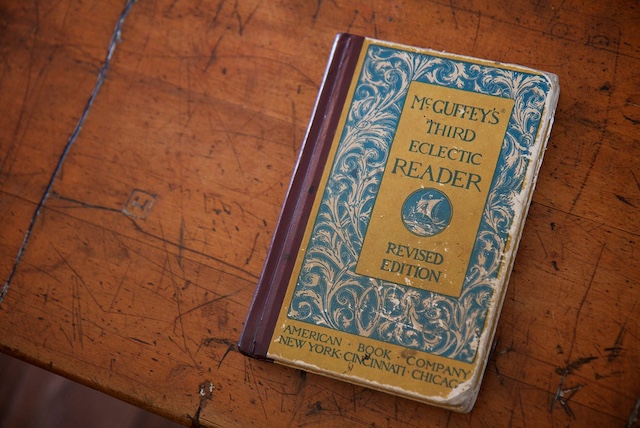 I was online the other day when I stumbled upon a little maxim from “The New England Primer,” the first textbook used by thousands of children in the early days of the American colonies. The lines ran as follows:
 A young volunteer firefighter, Andrew Coates, recently made headlines when his application for a paid position doing the job he loves was rejected. The reason? He was homeschooled.

 Something is terribly wrong with the Education ‘Village‘ of America – the complete breakdown of America’s government controlled education system through indoctrination and Socialism. Our children have become truly ‘damned‘ and will have little chance to truly succeed in this nation –
 Editor’s NOTE:
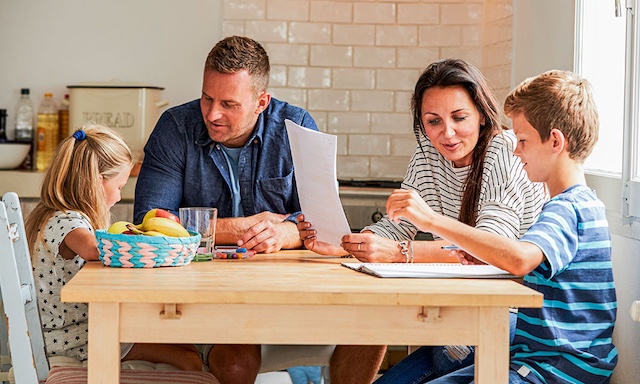 For stay-at-home parents thinking about returning to education, the hardest part is often the gap between being capable and feeling credible on paper. Workforce reentry challenges can show up as rusty confidence, unclear options, and the worry that care-giving years will be misunderstood by employers. A parent career transition gets easier when education becomes a bridge, one that turns experience into language hiring managers recognize and gives structure to next steps. With the right adult education motivation, school can feel less like starting over and more like getting back in motion.
  For busy parents juggling work, school schedules, and household bills, parenting and money education can feel like one more thing to get right. The hard part is that children’s money habits aren’t shaped mainly by “money talks,” but by the quiet, repeated family financial behaviors kids watch at home. Every grocery decision, savings choice, and careful “we can’t afford that” moment turns parents into financial role models, whether or not it’s intentional. With a clearer view of home financial modeling, families can build a money culture kids absorb naturally.
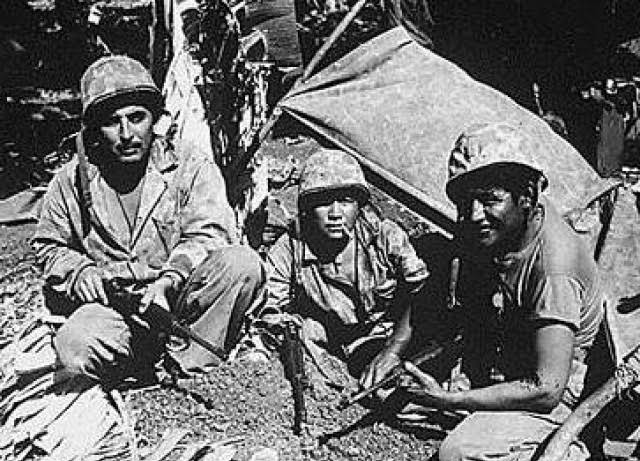 World War II pushed the U.S. military to find faster, safer ways to send battlefield messages across the Pacific. On May 4, 1942, the U.S. Marine Corps launched one of its most effective answers by recruiting the first 29 Navajo men to create a code based on the Navajo language.
  As we celebrate the Fourth of July, few women were more instrumental to America’s founding than Abigail Adams. Although she was not in Philadelphia when the Declaration of Independence was adopted, she played an essential role in shaping the new nation from her home in Braintree, Massachusetts.