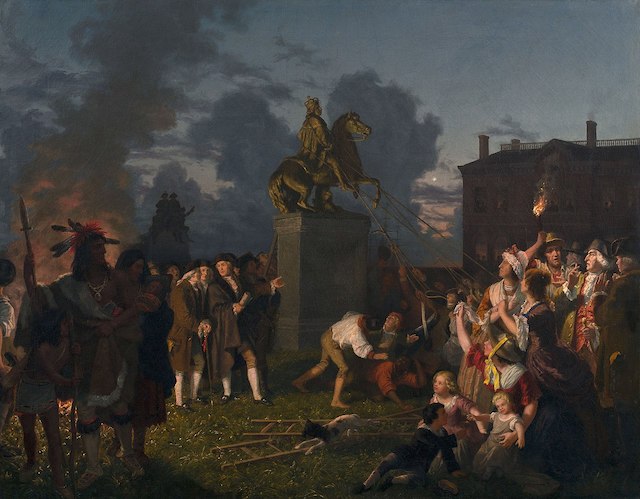
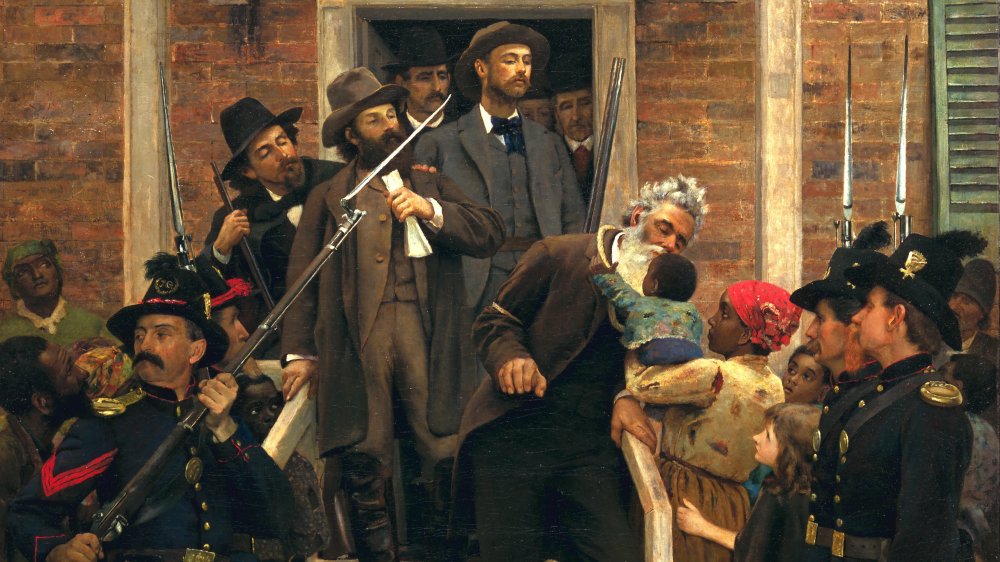
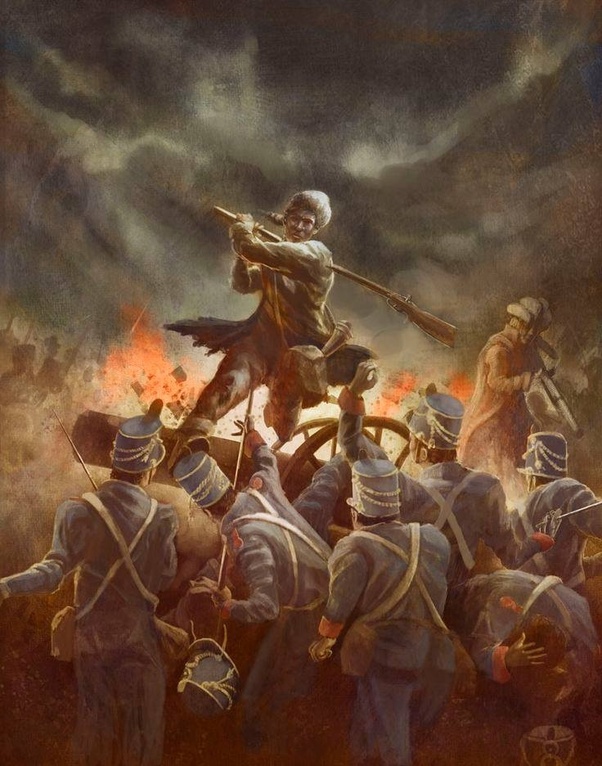
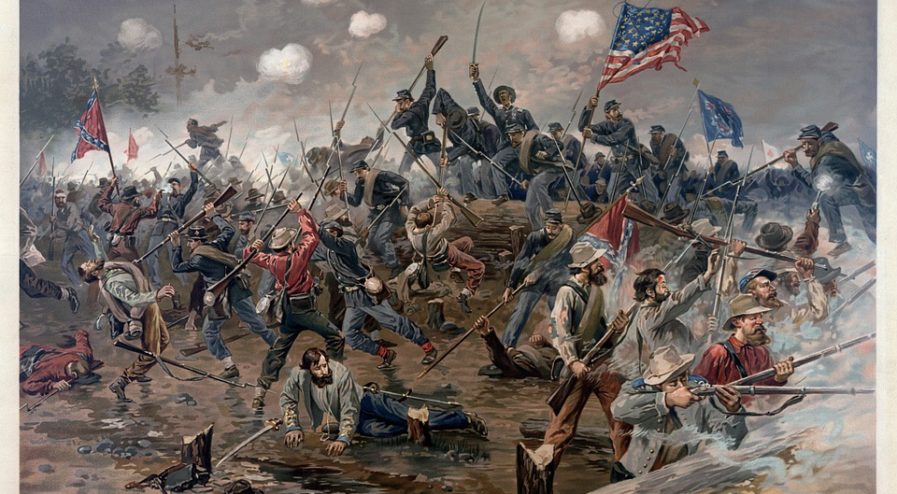
Officials in both the USA and CSA were remarkably successful in finding sufficient financial resources to support their armies in the field for the better part of four long, bloody years.
 ~ Introduction ~
By the time of Abraham Lincoln’s inauguration as President of the United States (USA) in March 1861, seven seceding Southern states had already formed the Confederate States of America (CSA). Political leaders throughout that territory, as well as most of their counterparts in the Northern and Border states, believed that any period of fighting to establish the legitimacy of the new Confederate nation would be rather short. Neither of the newly appointed Secretaries of the Treasury in the USA (Salmon Portland Chase) or the CSA (Christopher Gustavus Memminger) expected to have to raise several billion dollars to prosecute a four-year-long war. As they approached the task of financially supporting even a short war, both men understood that nations had traditionally used three major sources to finance their wars: borrowing money, printing money, and raising money through taxation. From 1861 to 1865, both the USA and the CSA used each of these mechanisms, although in different and varying proportions. Historical sources differ a bit on the exact percentages of their wartime expenses those territories raised from various sources. However, the following table incorporates several estimates from scholars using different assumptions about inflation, currency values, and definitions.
In many ways, describing these financing activities reveals a tale of two countries. ~ M.A.M.
Continue reading →


 With great dismay, I read the article on KTAR radio’s website by reporter Griselda Zetino on Oct. 26 entitled, “Drop in Arizona students enrolled in kindergarten raises concerns.”


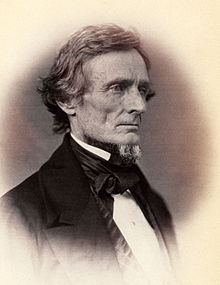 In Washington, D.C., while serving as Secretary of War in the 1850s, Jefferson Davis met Ambrose Dudley Mann, a native of Virginia who was the Assistant Secretary of State (and the first man to hold that office). The two men were drawn to each other immediately and became fast friends for the rest of their lives. In her biography of her husband, Varina Davis wrote that Mann had “every Christian virtue” and that “Mr. Davis and he gravitated toward each other at once, and loved like David and Jonathan until extreme old age.” [1]

 Do you look on with astonishment at Antifa and other extreme groups rioting and shouting “death to America?” How could all this happen? Where did all these young people come from who hate the US?


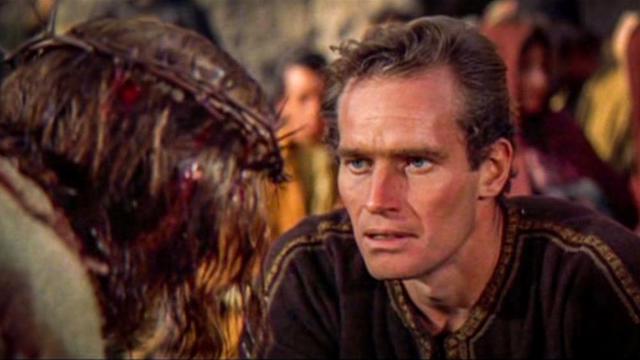 CRAWFORDSVILLE, Ind. – For many, watching the movie “Ben-Hur” has become an Easter tradition. The 1959 blockbuster, starring Charlton Heston, made history with a record 11 Academy Awards.
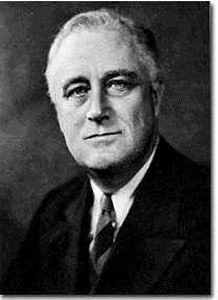 “On the eve of a national election, it is well for us to stop for a moment and analyze calmly and without prejudice the effect on our Nation of a victory by either of the major political parties.