“You have got our country …you want to force your religion upon us.”
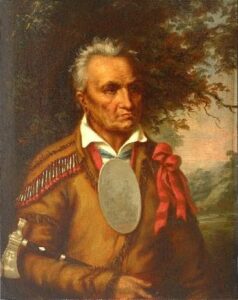
Red Jacket, Chief of the Seneca Tribe
SENECA, N.Y., 1805 – Red Jacket Chief, of the Seneca Tribe and dominant spokesman for the Six Nations, eloquently challenged the ablest spokesmen among the Christian missionaries in an address here, replying to appeals to the Indians to be baptized and thereby take one more step toward integration into the American community.
To the surprise of these spokesmen for the Christian church, the eloquent warrior and friend of the late General George Washington, told the junior race that in his view the Indians have a better religion and one with less division than the white man. For good measure, using quotations that might I well have been taken from the Bible itself, he cited actions by the white man in encroachment upon Indian rights, in self-divisions over doctrine and in other matters, that constituted an indictment comparable with those spoken in earlier days by the great Reform leaders within the church itself. Continue reading →


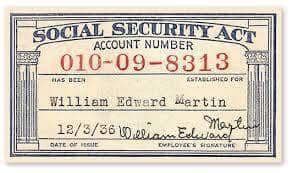 Just in case some of you young whippersnappers (& some older ones) didn’t know this. It’s easy to check out, if you don’t believe it. Be sure and show it to your family and friends. They need a little history lesson on what’s what and it doesn’t matter whether you are Democrat or Republican. Facts are Facts.
 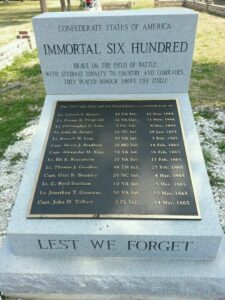 600 Confederate officers that were held prisoner by the Union Army in 1864 to 1865 and were intentionally starved and 46 died as a result. They are known as the “Immortal Six Hundred” because they refused to take an oath of allegiance to the U.S. under duress We must not forget.
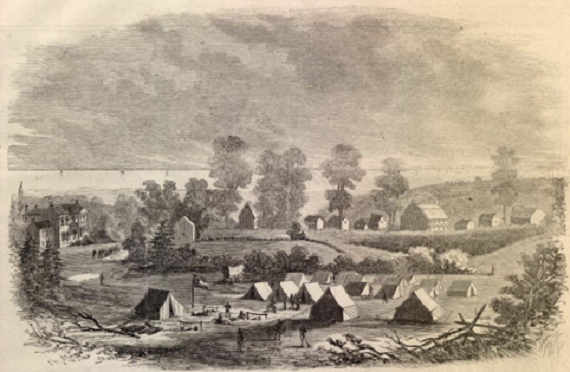 Just before Christmas of 1860, the chain of events that was to soon to lead the nation into four bloody years of undeclared war began with South Carolina exercising its constitutional right to leave the Union and revert to its original status as a sovereign entity. Six of South Carolina’s neighboring States quickly followed her out of the Union and on February 22 the following year, these seven independent States reunited in Montgomery, Alabama, as the Confederate States of America.
 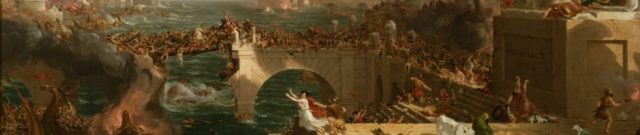 As might be expected, the Roman Republic was not to be spared a good many ventures into control of the economy by the government. One of the most famous of the Republican statutes was the Law of the Twelve Tables (449 B.C.) which, among other things, fixed the maximum rate of interest at one uncia per libra (approximately 8 percent), but it is not known whether this was for a month or for a year. At various times after this basic law was passed, however, politicians found it popular to generously forgive debtors their agreed-upon interest payments.
 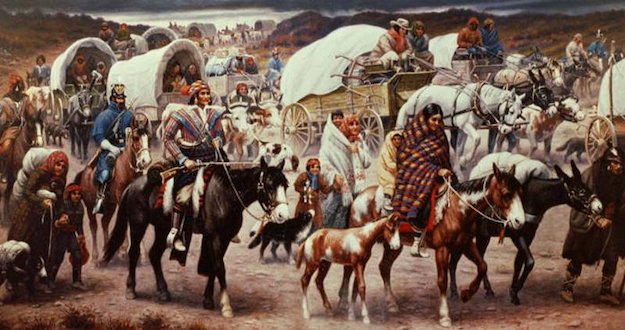 In children’s books across the world, history is being tampered with and forgotten.
 In 1945, the USS Indianapolis completed its top secret mission of delivering atomic bomb components to Tinian Island in the Pacific Theater of World War II. The heavy cruiser was sunk on its way to join a task force near Okinawa. Of the ship’s 1195 crewmembers, only 316 survived the sinking and the subsequent time adrift at sea in the middle of nowhere. Among the survivors was the captain of the Indianapolis, Charles B. McVay III.
 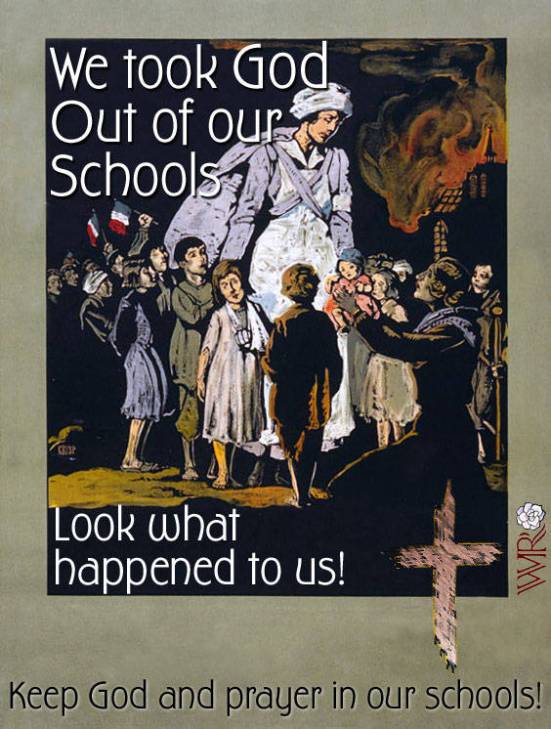 The Biblical book of Proverbs tells us that “the fear of the Lord is the beginning of knowledge” (1:7). The American Founders certainly understood this truth, and from the beginning stressed the relationship between a sound education based upon biblical absolutes and the future of this nation.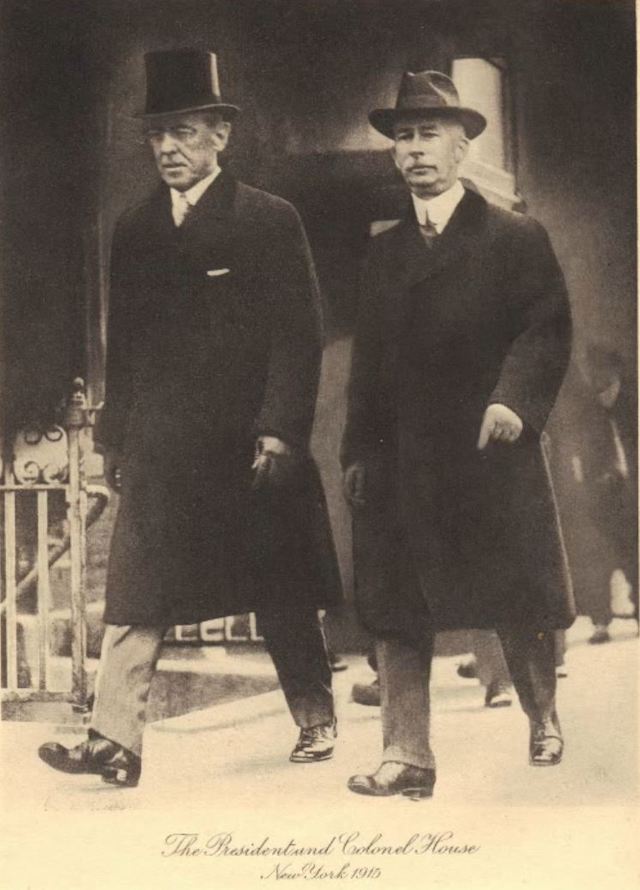
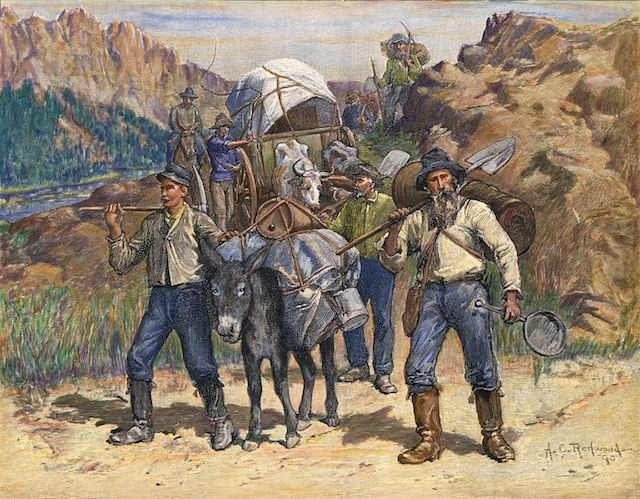
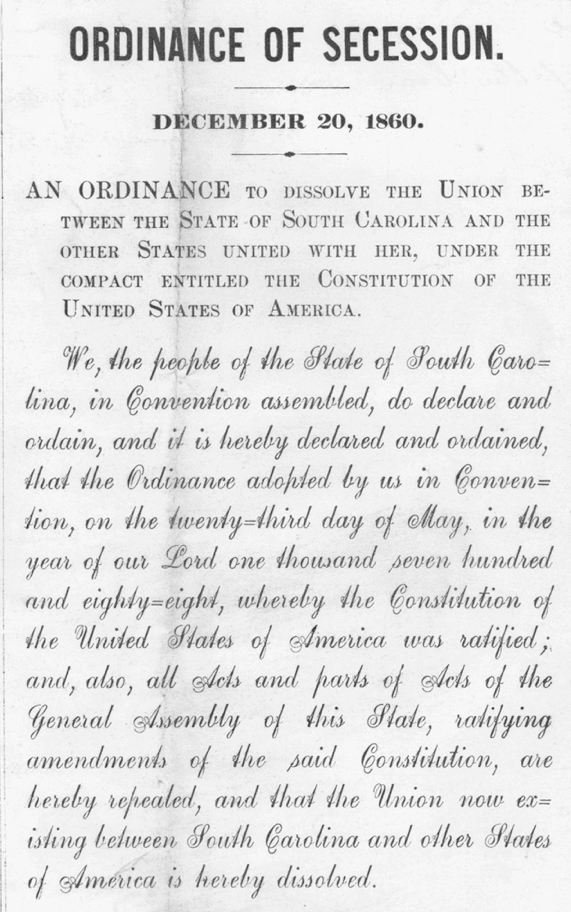 Over the course of American history, there has been no greater conflict of visions than that between Thomas Jefferson’s voluntary republic, founded on the natural right of peaceful secession, and Abraham Lincoln’s permanent empire, founded on the violent denial of that same right.
 These days it’s hard to find any mention of Donald Trump and Russia in The New York Times. Of course, after the train wreck of Robert Mueller’s testimony, it’s no wonder they dropped that hot potato. But don’t underestimate the leftist zealots at the Times, nor their creativity in trying to ensure that a “racist” Trump doesn’t win a second term.
 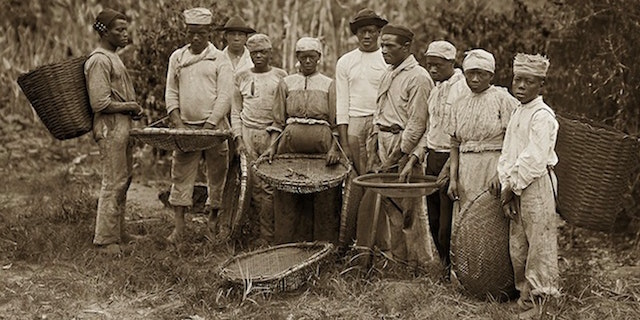 A man I have known since grade school changed his name, years ago, to an Arabic one. He told me he rejected Christianity as “the white man’s religion that justified slavery.” He argued Africans taken out of that continent were owed reparations. “From whom?” I asked…
  The Tyrant Lincoln had struck again! He wasn’t just a Racist, he hated everyone that stood in his way of a Complete and Tyrannical Regime!