What is the governing dynamic causing both student loans and healthcare burdens to run away from us?
 As a health economist, I spend my days working with incredibly innovative medical device and biotechnology companies who are commercializing into the healthcare space. By consequence, I’m obligated and prone to think about the financial and economic troubles facing the field of medicine. For seven years I worked for an integrated delivery network and had a seat on both the payer and hospital side of the table and was thereby privy to how all the sausage was made. During those same years, I was laden with a student loan burden that I’d heaped on myself during college and two master’s programs. The consequence of which was 1) a fantastic education in neuroscience, bioimaging, and business and 2) a four-figure monthly payment to student loan servicers that, but for the grace of God, almost torpedoed my wife and me monthly. Continue reading
 The Department of Education’s Office for Civil Rights is opening an investigation into whether female high school athletes were discriminated against when the state of Connecticut allowed males who identify as females to compete with them.
 Last month, researchers from Johns Hopkins University published a heartbreaking study describing the conditions of public schools in Providence, R.I. The report contained a laundry list of problems that plague America’s public schools, such as the inability to fire bad teachers and discipline unruly students, and the need for massive reams of bureaucratic paperwork to get anything done at all.
 In many school districts, “teachers” earn much higher salaries than the taxpayers who pay the school tax—to say nothing of fabulous pensions which the rest of us can only fantasize about. Oh, we get to elect the school board members; but they don’t represent us. They’re only there to carry out the state’s dictates.
 For several years now, certain groups and websites like Worldnewsstand have advocated an argument that the “federal” government was created as a municipal corporation via an act of February 21, 1871. The truth is otherwise.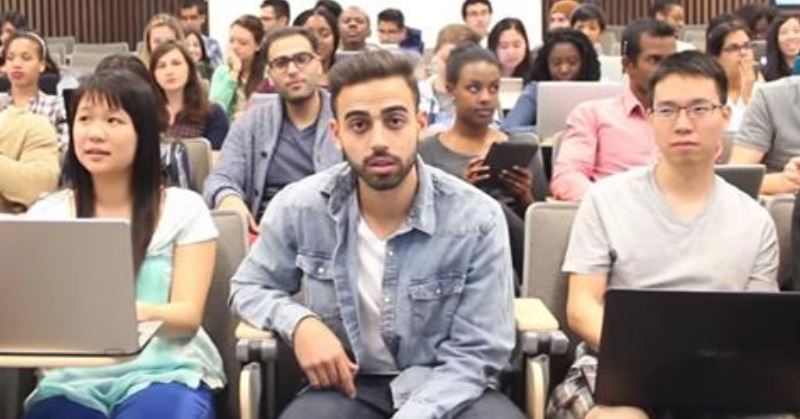
 Libertarians and others are often torn about school choice. They may wish to see the government schooling monopoly weakened, but they may resist supporting choice mechanisms, like vouchers and education savings accounts, because they don’t go far enough. Indeed, most current choice programs continue to rely on taxpayer funding of education and don’t address the underlying compulsory nature of elementary and secondary schooling.
 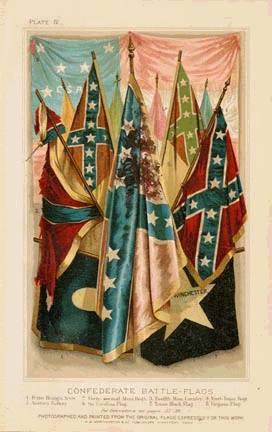 As I type, the secession movement in California is picking up steam. Polling shows that one in three Californians support leaving the Union following Donald Trump’s victorious presidential campaign, and an organization–YesCalifornia.org–is circulating a petition calling for a special election that would allow Californians to vote for or against independence.
 Back-to-school time is upon us. My Instagram feed is starting to fill with first-day photos as a new school year begins this week in some parts of the country. For those of us who homeschool, we often get asked, “So, why did you decide to homeschool?” We respond with various personal and educational reasons, including the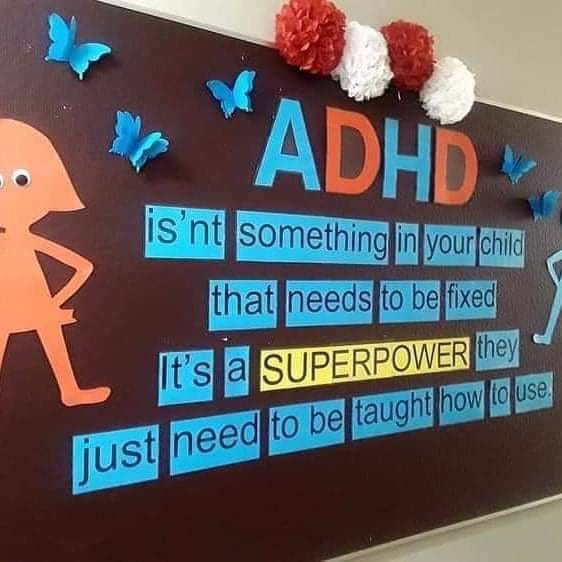
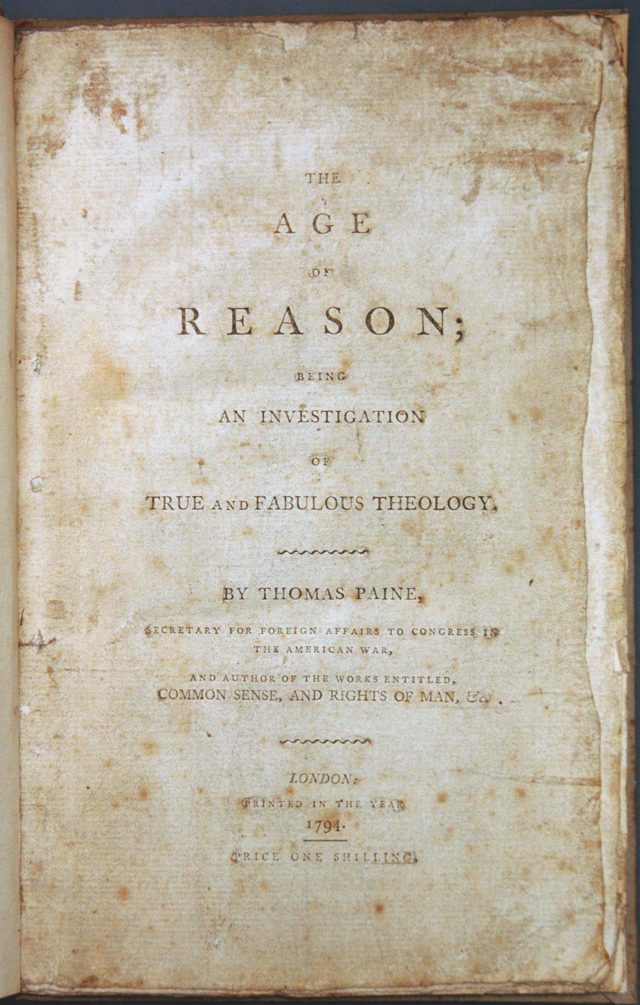 In his Age of Reason pamphlet (1807), Thomas Paine declared that “Persecution is not an original feature in any religion; but it is always the strongly marked feature of all religions established by law.“ Thomas Jefferson’s famed letter to the Danbury Baptist Association in Connecticut mentions how the First Amendment effectively establishes a “wall of separation between church and state.” These men, plus the many others that influenced or participated in the founding of the United States, were very familiar with the dangers of state religions and wished to prevent establishing such a religion in America.
 Whether it be a perceived political indoctrination, a disagreement with vaccine laws, or increasingly large classroom sizes, homeschooling numbers in California are breaking at the seams. The surge in
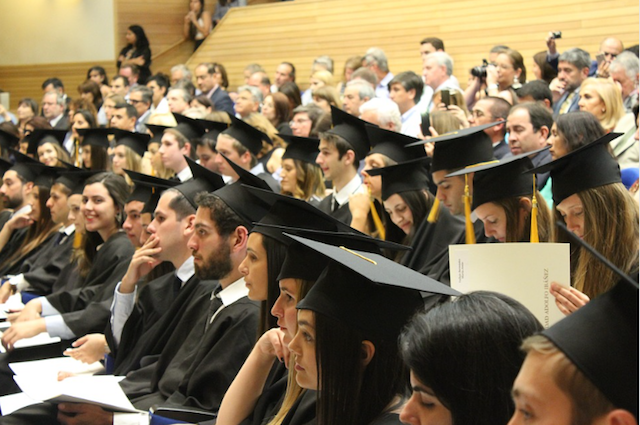 I can’t pretend to have any insights into the experiences of successful black people, seeing as I’m neither. But I was struck by the video of Robert Smith’s commencement address at Morehouse College, where he announces that he’ll personally pay off every single graduate’s student loans. Unless you’re the personal recipient of Mr. Smith’s benevolence, the best part of that video has to be the chap in the very bottom-left corner of the screen – the one in the Tudor bonnet and horn-rimmed glasses – whose face
 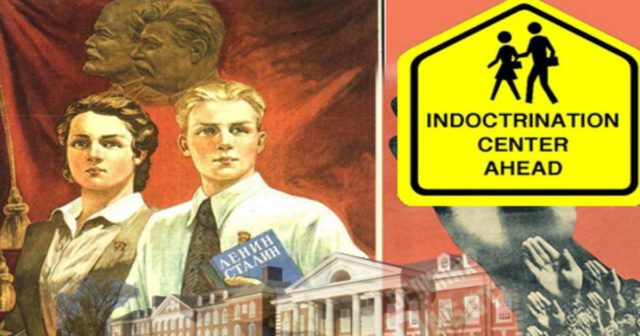 Conservatives used to believe in the true liberation of people from the enslavement by big and encroaching governments. You could hardly tell that today judging by the huge national debt they’ve escalated under a Republican president and a Republican Senate. They have been as profligate spenders as the Democrats, yet we still don’t have a wall to stop the invasion of illegals through the southern border.
  The D.C. Opportunity Scholarship Program, facing its biennial reauthorization, needs some serious improvements to add more qualified students, says an education researcher.