
A parent posted their six-year-old’s maths question online concerning apples and paint and it was so baffling that one person labelled it a ‘weird sphinx riddle’ – can you solve it?
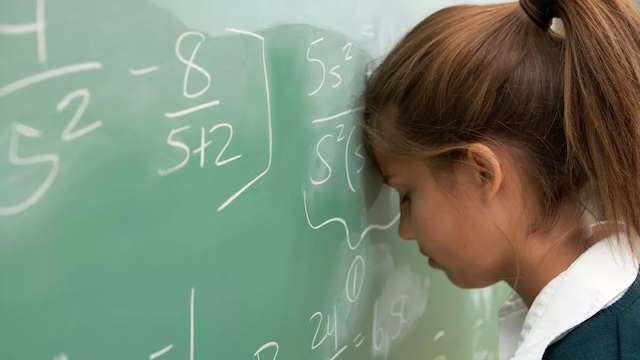
How well do you remember your school maths? (Getty Images)
For some people, school brings back blissful memories while for others it conjures up painful visions of obscure homework questions night after night. The good news is that those days are over – unless you now have children yourself who want help with their latest homework assignment, of course. Continue reading
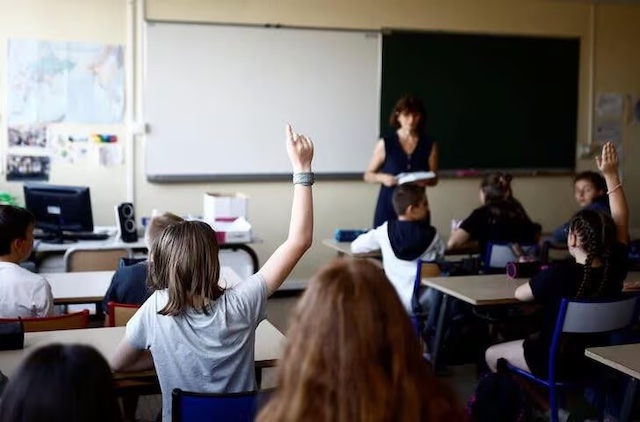 Teenagers’ mathematics and reading skills are in an unprecedented decline across dozens of countries and COVID school closures are only partly to be blamed, the OECD said on Tuesday in its latest survey of global learning standards.
 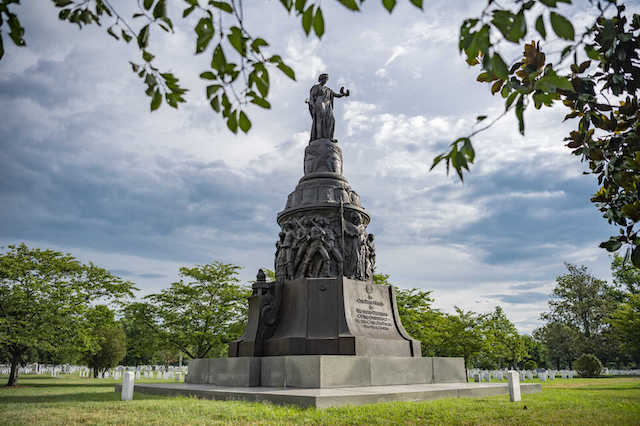 ARLINGTON, Va. (AP) — A Confederate memorial is to be removed from Arlington National Cemetery in northern Virginia in the coming days, part of the push to remove symbols that commemorate the Confederacy from military-related facilities, a cemetery official said Saturday.
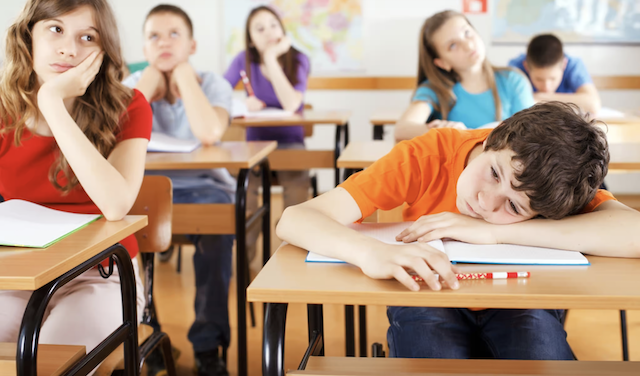 We moved to a good school district. The area was growing. Built for families like ours, all of the public schools in the area received “A” or “8/10” ratings. There were two very expensive and very fancy private schools in the area. It was an idyllic place to raise children.
 A mom who refuses to put her kids in school has revealed that she lets her baby play in and eat mud to help build a healthy immune system.
 More than three years after Covid-19 began, explanations abound for ongoing “learning loss” in schools. But these discussions often miss one of the most obvious explanations: outdated and ineffective instruction.
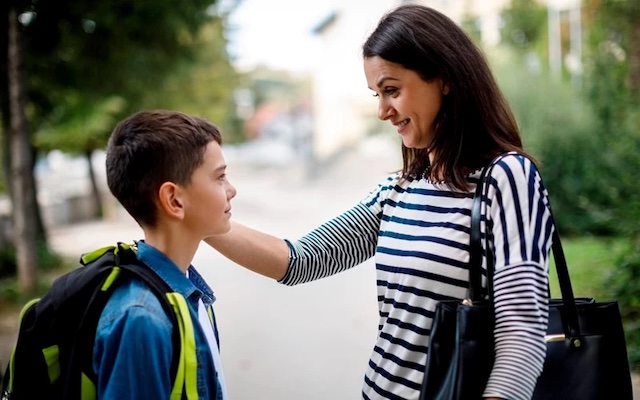 In Maryland, a group seeks to have sexually explicit books removed from school libraries and is being portrayed as enemies of speech and enlightenment. Meanwhile, in California, parents believe they should be informed if their child shows signs of gender confusion while at school – an argument with which the state disagrees.
  Those of us who have homeschooled for years are accustomed to periodic calls for greater regulation of homeschooling. Whether it’s a
  It may be true, as the late, great Andrew Breitbart famously said, that “politics is downstream of culture.” But both are downstream of education. Nothing is more important to our families or to the future of our country than the moral, social, psychological, and intellectual development of our children.
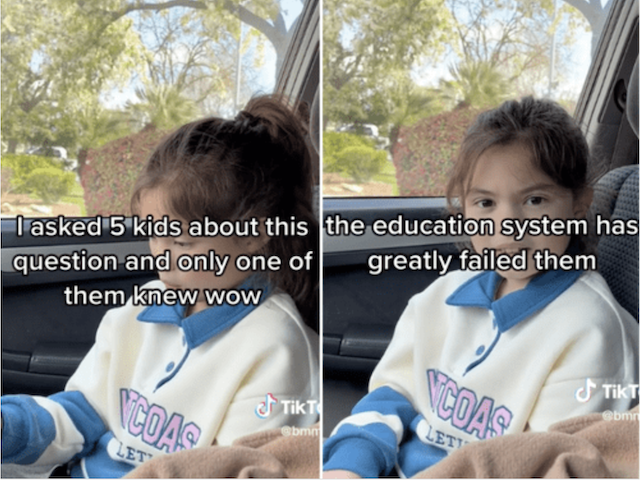 While some of us loved to study history in school, many found the subject rather boring. Even though it teaches us about the significant impact past events still have on us, several children are not a fan of history. A little girl found this fact very surprising as she discovered that her classmates didn’t know about European history.
 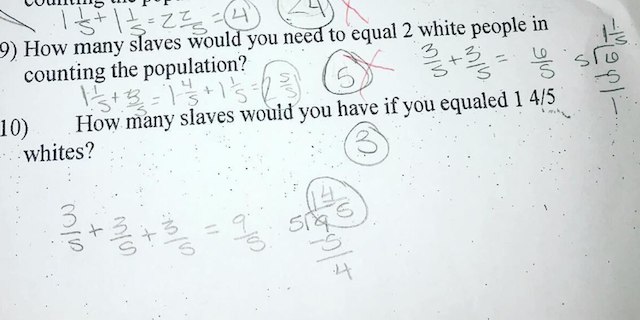 If I could change one thing about my past teaching, it would be homework. As in, I would never assign it. I’m just not convinced that the positives outweigh the negatives, and I’m not alone. Many teachers (even entire districts) are getting on the
  My wife and I recently met with the principal of the school our daughter attends to discuss her education future.
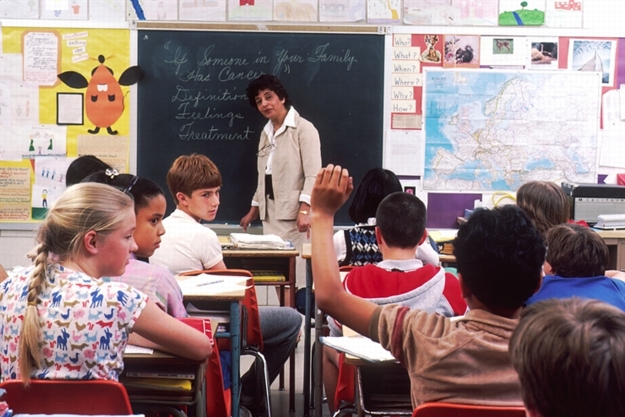 We moved to a good school district. The area was growing. Built for families like ours, all of the public schools in the area received “A” or “8/10” ratings. There were two very expensive and very fancy private schools in the area. It was an idyllic place to raise children.
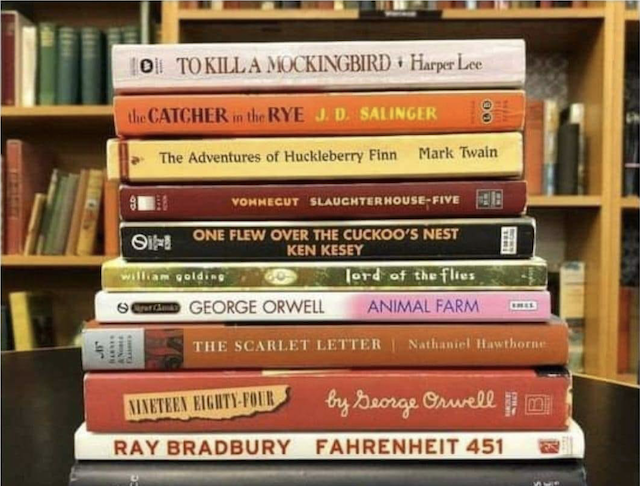 There are a lot of novels out there and choosing which to read isn’t always easy. But there are classics that we believe that everyone should read at least once. That is why we made a list of 25 classic novels that you should read. Keep reading to find out which books made our list!
 After-school activities are more than just ways to keep your child occupied once the school day is over. They play a pivotal role in shaping a child’s personality, instilling values, and building a diverse set of skills. During busy work seasons, it becomes especially important for parents to ensure that their children are engaged in productive activities that enrich their lives in multiple dimensions.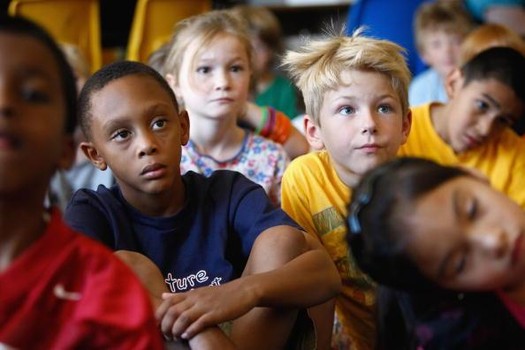
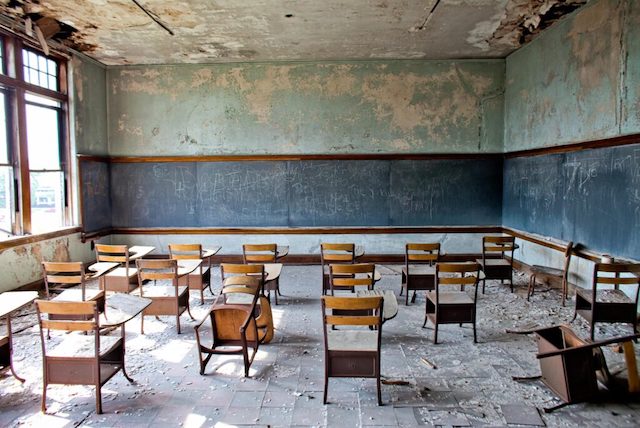 If you thought charter schools received anywhere near the same amount of funding as traditional public schools, then think again.
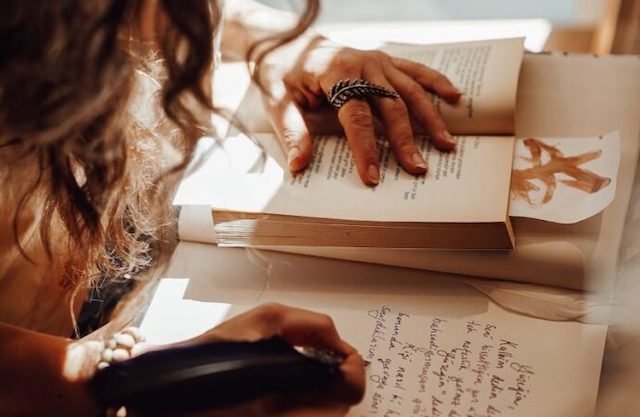 Memorization and recitation became part of my life through a club I was part of in middle and high school. With the club, I had the opportunity to recite patriotic speeches and poems along with chapters from the Bible in front of an audience of veterans, law enforcement officers, and first responders just about every month. I loved seeing how the words recited touched the people listening.