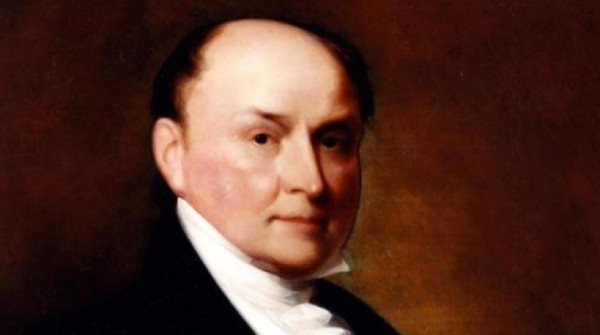
John Quincy Adams is generally regarded as an excellent diplomat and an outstanding abolitionist but not a great president. That’s not an altogether fair assessment. Adams did not enjoy universal respect due to the manner in which he became president. (He finished second in the popular vote and electoral college, but since no candidate had a majority of electoral votes, the House of Representatives decided the outcome.) Adams was stymied by a Congress controlled by his political enemies. His lack of doling out patronage appointments didn’t win him any friends either. But as president, Adams made some strides in modernizing the American economy and promoting education. He also succeeded in paying off much of the national debt. Continue reading
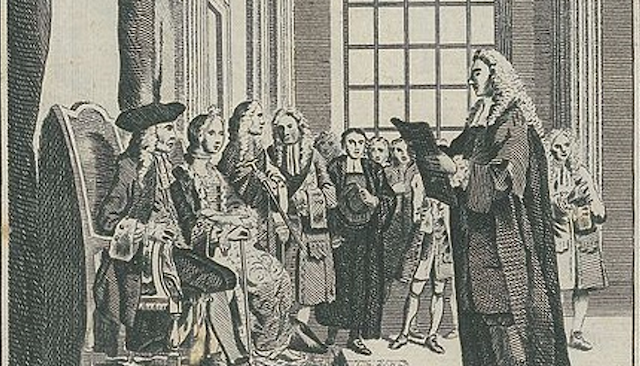 Today’s high school students may yawn when they hear teachers describe what a world-changing document the United States Constitution was when it was ratified in 1788 and a new government was formed a year later in 1789.
 Lincoln is portrayed as meek and ineffectual in his prosecution of the war. In a wooded scene Lincoln, here in the character of an Irish sportsman in knee-breeches, discharges his blunderbuss at a small bird “C.S.A.” (Confederate States of America). The bird, perched in a tree at left, is unhurt, but Lincoln falls backward vowing, “Begorra, if ye wor at this end o’ th’ gun, ye wouldn’t flap yer wings that way, ye vill’in!”
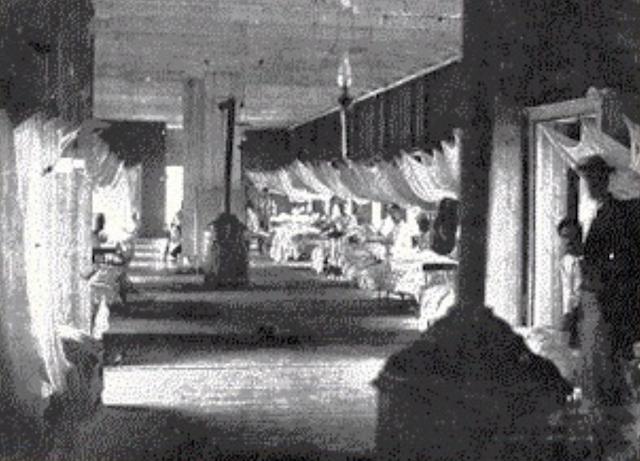 The Civil War was fought, claimed the Union army surgeon general, “at the end of the medical Middle Ages.” Little was known about what caused disease, how to stop it from spreading, or how to cure it. Surgical techniques ranged from the barbaric to the barely competent.
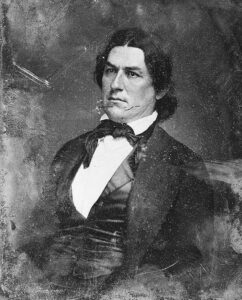 On his way down to Montgomery to assume his new role as Secretary of State for the Confederacy in May 1861, Robert Hunter took the opportunity to speak to the crowds at the various train stops; Atlanta was one of them. The Co-Editor of the Southern Confederacy, J. Henly Smith was there to record his comments:
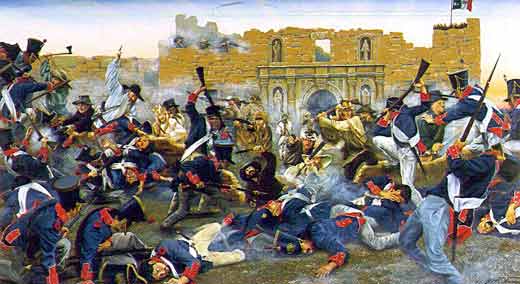 A famous legend about the Alamo entered Texan folklore a few weeks after the notorious siege. Around April of 1836, Santa Anna was fed up with resistance from freedom fighters. To stomp out this lingering flame, he sent a message to his troops in San Antonio, ordering them to burn the mission to the ground. But when his soldiers approached the Alamo, they met a ghastly surprise.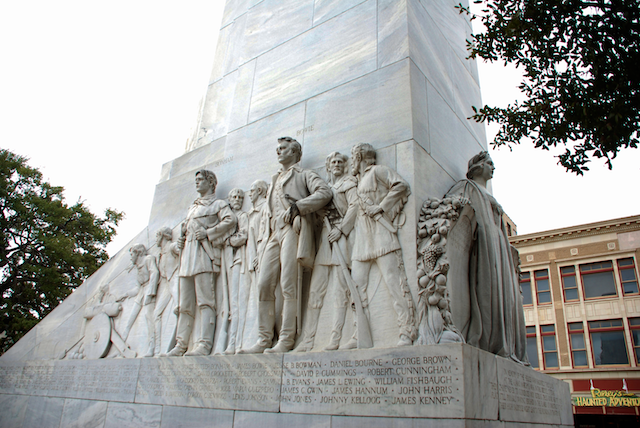
 ~ Prologue ~