
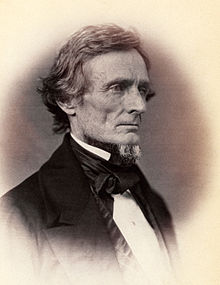
 Regarding the War of Northern Aggression, Jefferson Davis once made an interesting statement. He said: “Our children may forget this war, but we cannot. The war came and now it must go on till the last man of this generation falls in his tracks, and his children seize his musket and fight our battle.”
It would seem that Mr. Davis’ comment about the children picking up the musket was somewhat figurative and not meant to be literal. What he seemed to be saying was that the children would not forget what their fathers fought for (and it wasn’t slavery).
However, Mr. Davis was not taking into consideration the advent of the Northern system of public education that was foisted upon the South as an integral part of “reconstruction.” There was no way he could have grasped what effect this one part of “reconstruction” would have on the South, not in his own generation or in those to come. Continue reading
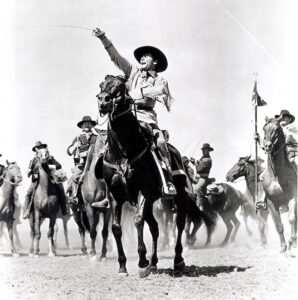 The Union Cavalry numbers during the first two years of the Civil War did not exceed 60,000 men. But yet 284,000 horses perished in the service of the Cavalry, few of them in battle. In the winter of 1863-1864 alone in the Union forces in Tennessee, 30,000 horses were lost. Why? Inadequate veterinary care. It wasn’t just “inadequate.” It was breathtakingly, completely absent.
 What no one seemed to notice,” said a colleague of mine, a philologist, “was the ever widening gap, after 1933, between the government and the people. Just think how very wide this gap was to begin with, here in Germany. And it became always wider. You know, it doesn’t make people close to their government to be told that this is a people’s government, a true democracy, or to be enrolled in civilian defense, or even to vote. All this has little, really nothing, to do with knowing one is governing.


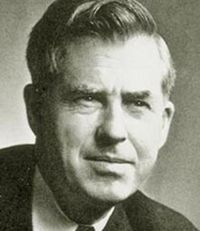 On returning from my trip to the West in February, I received a request from The New York Times to write a piece answering the following questions: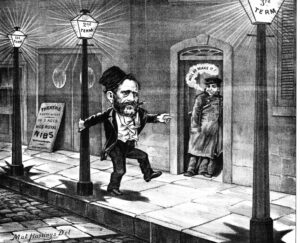
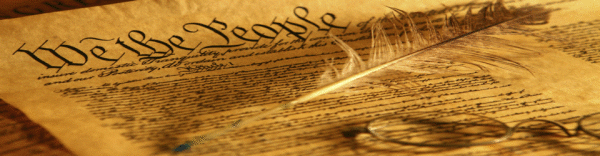
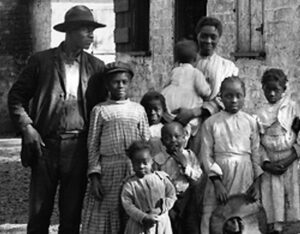 The 13th Amendment to the U.S. Constitution, ratified in 1865 in the aftermath of the Civil War, abolished slavery in the United States. The 13th Amendment states: “Neither slavery nor involuntary servitude, except as a punishment for crime whereof the party shall have been duly convicted, shall exist within the United States, or any place subject to their jurisdiction.”