
 For working parents managing busy children’s schedules, the week can feel like an endless relay of pickups, practices, late homework, and forgotten gear. The core tension is real: supporting kids’ interests and tackling children’s productivity challenges can quietly squeeze out dinners, downtime, and simple connection, until balancing family time becomes another task to juggle. When child activity management is unclear, the whole household runs on urgency instead of rhythm. A calmer, more intentional pace is possible. Continue reading
Bennett: How to Balance Kids’ Busy Schedules for More Family Calm and Fun!
Leave a reply
 The fire had burned down to a bed of glowing coals that night, the way fires do when the wood has settled into embers and the heat rises steady and quiet. My grandkids sat around me in a loose circle, wrapped in blankets, their faces flickering with amber light, their eyes wide the way young eyes get when they sense that the old man is about to say something he’s never said before. The cicadas hummed in the trees, and the air smelled of maple and river birch smoke, and for a moment I felt the years folding in on themselves – all the decades I’ve lived in Murfreesboro, all the changes I’ve watched come and go, all the things I’ve held in my chest because no one seemed to want to hear them.

 One of my daily challenges as a parent is getting my fourth grader to read for 30 minutes as part of her homework.
 Sometimes kids don’t need a timeout — they need a reset. That’s not the same thing. A true reset helps kids come back to themselves. It gives them access to their own energy again, instead of just pulling away from overstimulation. But what actually works? Not all “self-care” is equal. For children, especially, the best kind involves real movement, tactile stimulation, and a sense of control. When structured right, these small acts can help your child regroup emotionally, physically, and mentally — in ways they don’t have to explain or intellectualize.
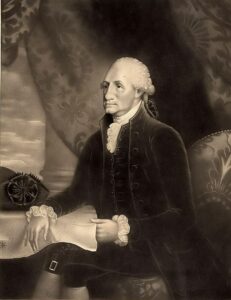 In 1783 at the end of George Washington’s tenure as Commander and Chief of the Continental Army, he penned a letter to the governors of each of the States. It was 7 years after the Declaration of Independence and the thirteen former colonies remained organized under the Articles of Confederation, the nation’s first frame of government. Washington’s letter gives every indication he was looking forward to retirement at his Mt. Vernon home with no thought of further service as the first American President.



 Why is it that so many students in the modern American education system say that school is “boring”? Aren’t they learning about the most fascinating aspects of our world? Isn’t part of human nature, as Aristotle teaches, to desire to know?