
How universities, banks and the government turned student debt into America’s next financial black hole
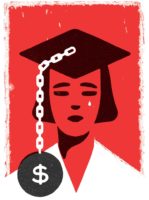 On a wind-swept, frigid night in February 2009, a 37-year-old schoolteacher named Scott Nailor parked his rusted ’92 Toyota Tercel in the parking lot of a Fireside Inn in Auburn, Maine. He picked this spot to have a final reckoning with himself. He was going to end his life.
The federal government has made it easier than ever to borrow money for higher education – saddling a generation with crushing debts and inflating a bubble that could bring down the economy
Beaten down after more than a decade of struggle with student debt, after years of taking false doors and slipping into various puddles of bureaucratic quicksand, he was giving up the fight. “This is it, I’m done,” he remembers thinking. “I sat there and just sort of felt like I’m going to take my life. I’m going to find a way to park this car in the garage, with it running or whatever.” Continue reading
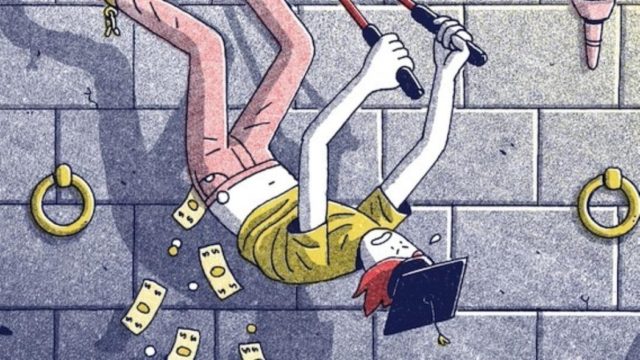
 Ripping Off Young America: The College-Loan Scandal
 On April 13, 1743 a young child was born into the world that would change the course of American history. This child was the third of ten eventual siblings. His father was born in the Colonies and his mother was born in England and migrated to the Colonies where she met her future husband.
 HARRISBURG, Pa. (AP) — Teachers in Pennsylvania’s capital city are asking for support after a series of violent altercations with students has led to multiple resignations.
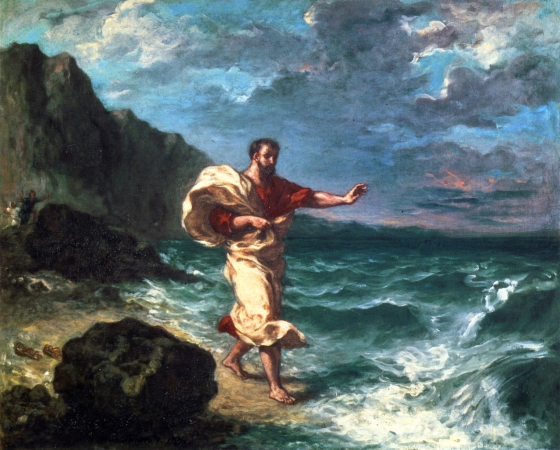
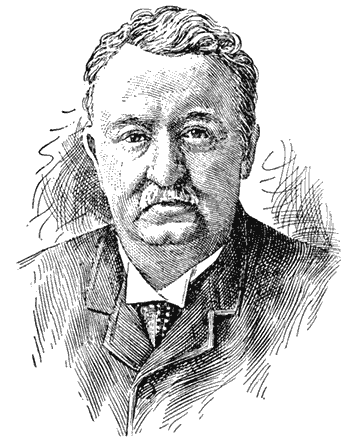
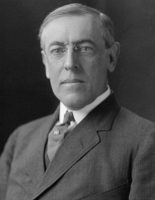 In 1913, Woodrow Wilson was the newly elected president. Wilson and his fellow progressives scorned the Constitution and the Declaration. They moved swiftly to replace the Founders’ republic with a new regime.
 Emotional video resignation by veteran teacher slams ‘depressing gradual downfall of public education’

 It would be a mistake or, at any rate, an exaggeration to say that modern education has turned its back on morality.
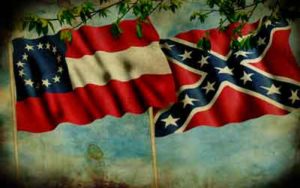 By April of 1775 the tensions between the Colonies and the Crown had reached a breaking point, and when the Kings men arrived at Lexington and Concord to confiscate the arms stored there they were met with locals who had grabbed whatever guns they had and assembled to prevent the Redcoats from taking their cache of arms. So it was that on that early April morning, just as the sun was rising, that America’s War for Independence began. So it was that on that early April morning a ragtag group of farmers, shopkeepers and merchants faced off against 500 of the most well trained and disciplined fighters on the planet. So it was that on this early April morning, that although these men were technically committing treason, they would go down into history books as patriots and heroes.
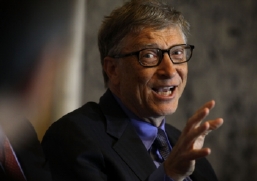 Gates announced Thursday that the Bill & Melinda Gates Foundation would spend more than $1.7 billion over the next five years to pay for new initiatives in public education, with all but 15 percent of it going to traditional public school districts and the rest to charter schools. (When he said this, the audience at the 2017 conference of the nonprofit Council of the Great City Schools applauded, perhaps because many education philanthropists direct the bulk of their education giving on charter schools, which are publicly funded but privately operated. Gates supports them as well.)
 As is now well-known, scores on “intelligence” tests rose strongly over the last few generations, world-wide – this is the “Flynn Effect.” One striking anomaly, however, appears in American data: slumping students’ scores on academic achievement tests like the SAT. Notes of the decline starting in the 1960s sparked a lot of concern and hand-wringing. A similar decline is evident among adult respondents to the General Social Survey. The GSS gives interviewees a 10-item, multiple choice vocabulary test. (Practically speaking, vocabulary tests yield pretty much the same results as intelligence tests.) In over 40 years of the survey, a pattern emerged: Correct scores rose from the generations born around 1900 to the generations born around 1950 and then dropped afterwards. Are recently-born cohorts dumber – or, at least, less literate – than their parents and grandparents?