
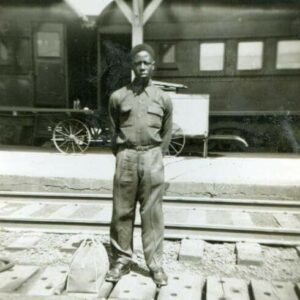
 See the young man in this picture? He was 18 years old when it was taken at the train station in Mobile, Alabama, in 1952. There is $1.50 in his pocket. In that bag by his foot are two changes of clothes. (And if his mama was anything like most other mamas in the South, probably some sandwiches and other snacks.) He was on his way to Indiana to take a job.
He was going to play baseball for the Indy Clowns of the Negro Leagues. Apparently, he was pretty good at it. A couple of years later, he was signed by the (then minor league) Milwaukee Brewers. He played for the Brewers for 2 seasons, then moved across town to the Braves, and later followed them to Atlanta. Eventually, he was the last Negro League player to be on a major league roster. Continue reading
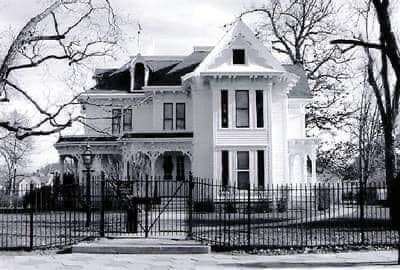 Harry Truman was a different kind of President. He probably made as many, or more important decisions regarding our nation’s history as any of the other 32 Presidents preceding him. However, a measure of his greatness may rest on what he did after he left the White House.
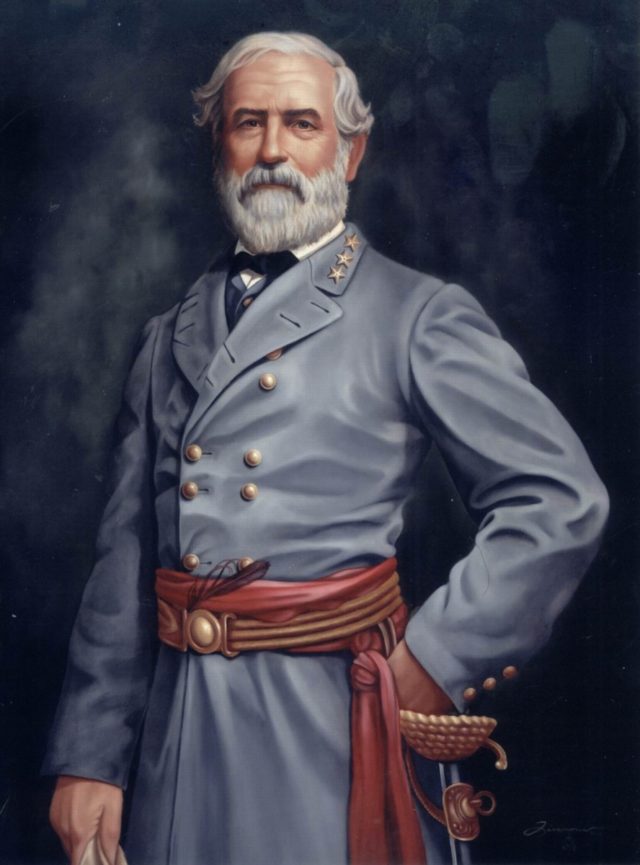
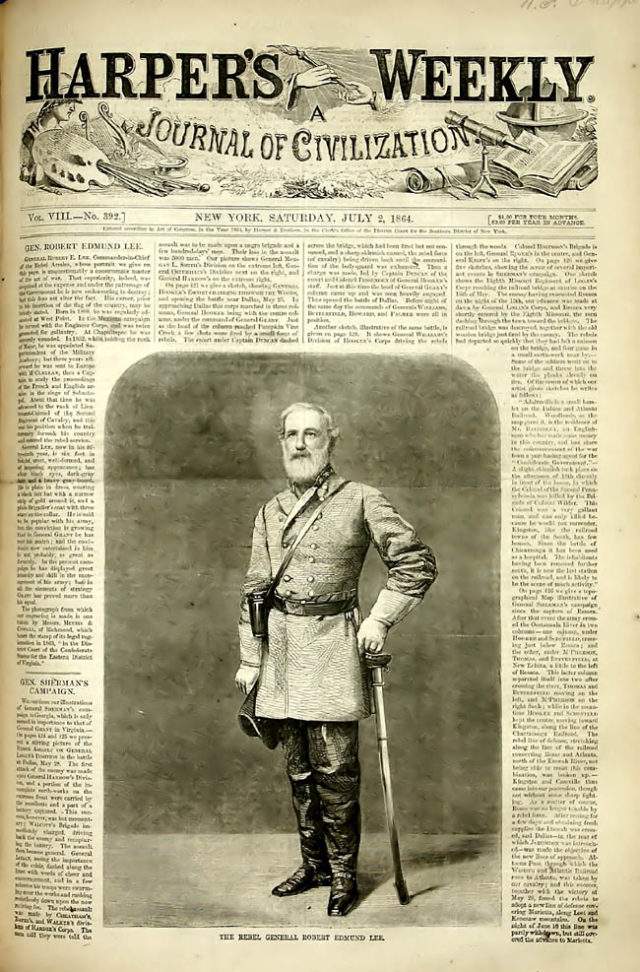
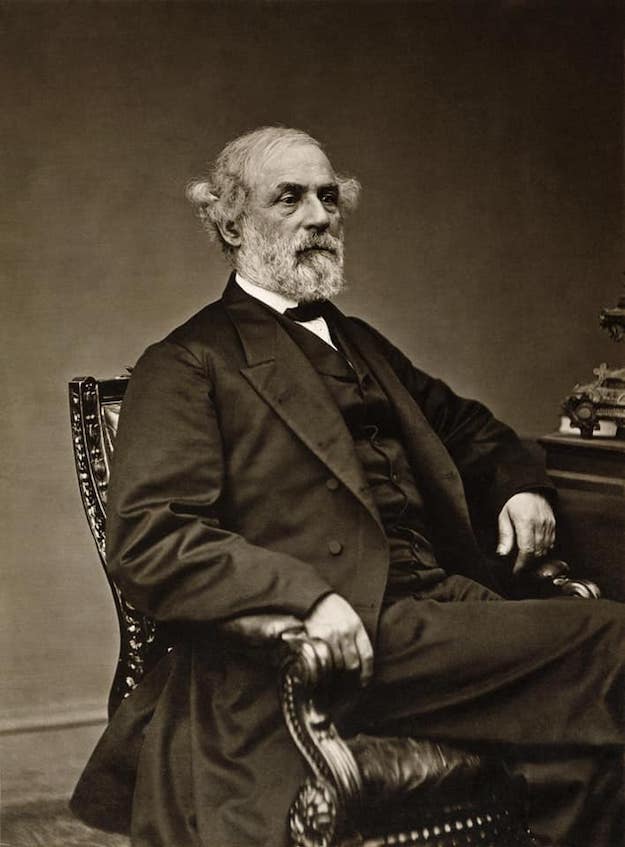
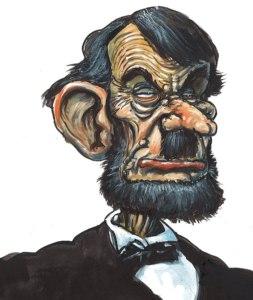 Today Abraham Lincoln remains America’s most popular president and its historians devote enormous efforts to ensuring that his reputation survives unscathed. Yet during his presidency he was hated by millions and in 1865 he was assassinated. Even before the Civil War he was loathed by perhaps a majority of his fellow countrymen and in the presidential election of 1860, 61 per cent of the electorate voted against him.
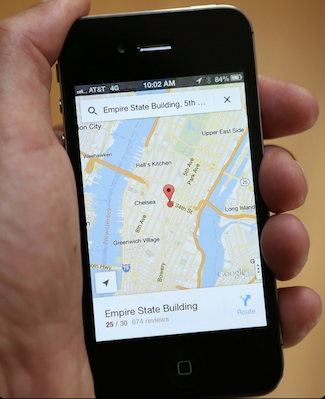 The movement of people from one location to the other has been the backbone of the interaction between societies and civilizations. Over human history, people have had to move from familiar to none familiar locations, for various reasons.
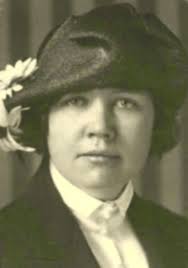 My eight-year-old daughter Abby recently started reading Little House in the Big Woods by Laura Ingalls Wilder. It was prompted, in part, by watching the Little House on the Prairie television episodes with her great-aunt. Coincidentally, I have been reading more lately about some of the key women in history who promoted the ideals of individual freedom, limited government, non-coercion, and voluntary cooperation through trade. Rose Wilder Lane is one of these women. She was born on this day in 1886.
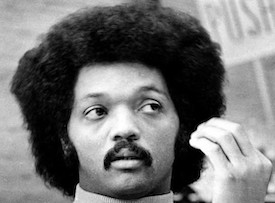 As someone who slides into the back-end of the Gen-X generation, my view of the Rev. Jesse Jackson has always been basically the same. My charitable view of Jackson had been that he is a gifted speaker with a great deal of media savvy; that he cares deeply for people, but sometimes offers dubious solutions to social problems because he can misdiagnose the cause of a given social affliction.
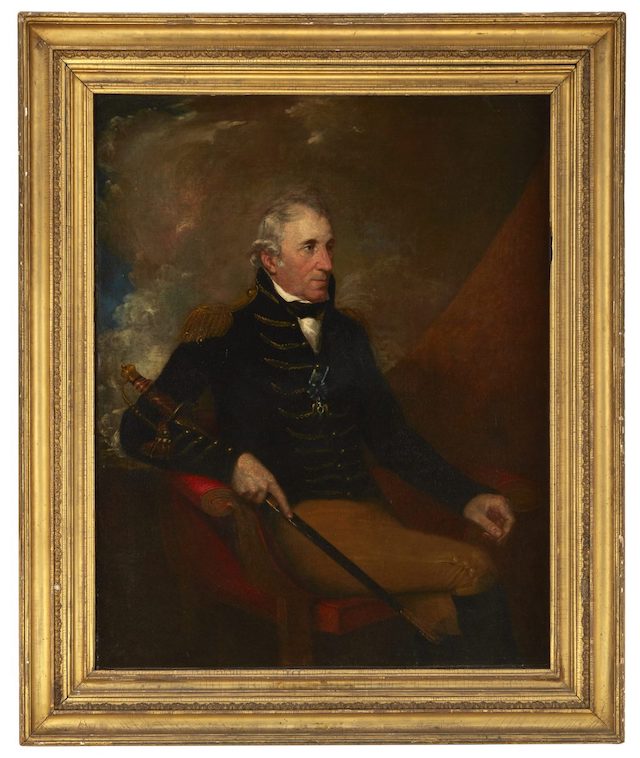 American independence was won by men who refused to be beaten—who were defeated and rose again, battered but determined. That’s the lesson we can learn from the battlefield of Camden and from the story of Thomas Pinckney, a remarkable young man who embodied the courage it took to win our independence.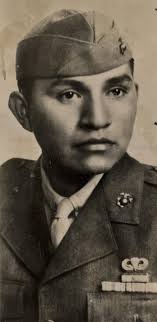
 ~ Forewords: November 5, 2001 ~
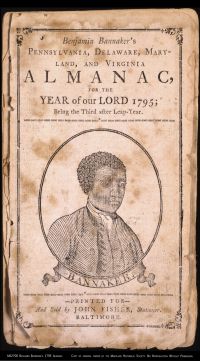 Benjamin Banneker (1731-1806) was an African-American mathematician, surveyor, astronomer, and publisher of a popular almanac. Banneker wrote a now-famous letter to Thomas Jefferson on August 19, 1791, arguing eloquently that “…however variable we may be in Society or religion, however diversifyed in Situation or colour, we are all of the Same Family, and Stand in the Same relation to him [God].”[
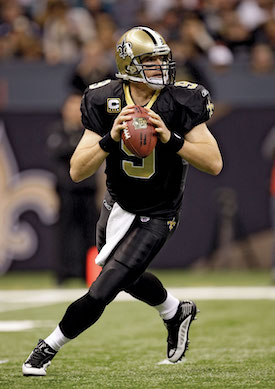 Every October 3rd, students in schools all across America celebrate what is called “Bring Your Bible to School Day” This year legendary NFL quarterback Drew Brees made a video affirming Christian students: “I want to encourage you to live out your faith on Bring Your Bible to School Day, and share God’s love with friends. You’re not alone.”
 ~ Prologue ~