
 The following essay was originally published in the Fall ’91 issue of Whole Earth Review. It finally clarified for many, why American school is such a spirit-crushing experience, and suggested what to do about it.
Before reading, please set your irony detector to the on position. If you find yourself inclined to dismiss the below as paranoid, you should know that the design behind the current American school system is very well-documented historically, in published writings of dizzying cynicism by such well-known figures as Horace Mann and Andrew Carnegie. Continue reading
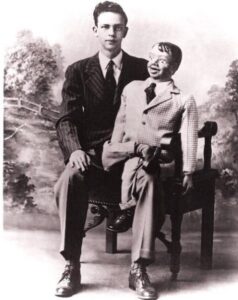 His mother was 40 years old when Jesse was born. Jesse grew up in a very rough home in Morgantown, West Virginia. Jesse’s father, who was mentally ill, was a violent man and was abusive to Jesse. At 13, his father died leaving his mother to take care of him and his brothers. At the time, things weren’t easy for Jesse and he didn’t think life held much hope for him.
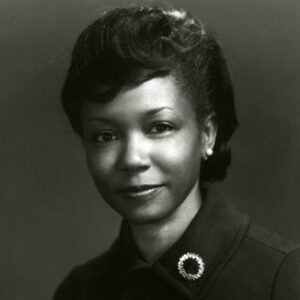 March is recognized by the U.S. Government as “Women’s History Month.” According to
  “Let us cross over the river, and rest under the shade of the trees.”
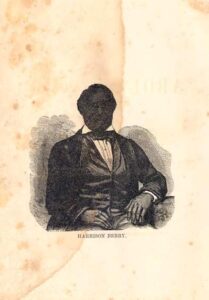 In 1861 an educated Georgia slave named Harrison Berry wrote a book explaining why he and his fellow slaves preferred their life in the South to the “so-called” freedom in the North. It was a scathing critique of the hypocrisy of Northern abolitionism, and explains why the vast majority of slaves remained loyal to the South.
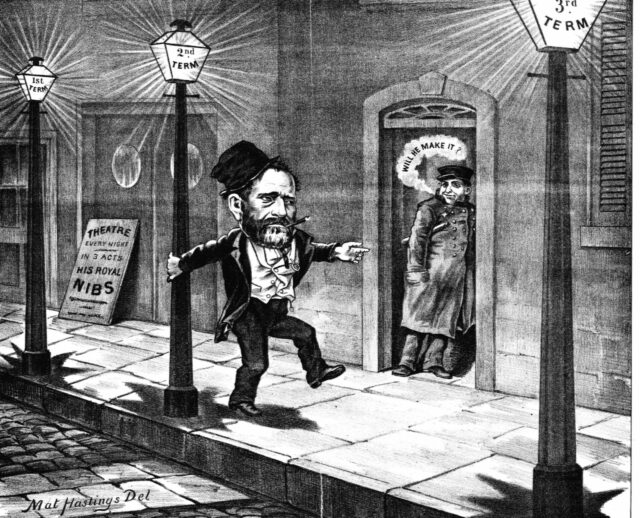
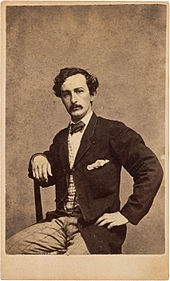 I watched an interesting segment on the Infowars.com site on April 29th dealing with some history I had written about somewhere in the distant past. It was narrated by David Knight. I have always enjoyed watching David Knight’s commentary. He is a Christian man who is not ashamed of his faith and he lets you know that in a quiet, humble way.
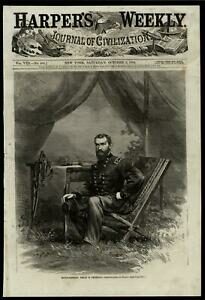 Clifford Dowdey, in his book The History of the Confederacy 1832-1865, he had some commentary about the subject of this article, Philip H. Sheridan and it was not particularly complementary. Mr. Dowdey noted of Sheridan that he “…was an undersized man (five feet three) with an oversized head, in all ways…But Grant perceived in the man a quality he wanted in his all-out, no-holds-barred war of total conquest. The Sheridans, Milroys, and Hunters had a different kind of arrogance from the neo-princelings of the Cotton South. They had the arrogance of unrestrained might. Without regard for rights–of belligerants or fellow citizens or even of the so-called ‘human rights,’ let alone of the Union–these bully boys had a lust for physical violence and wanton destruction.”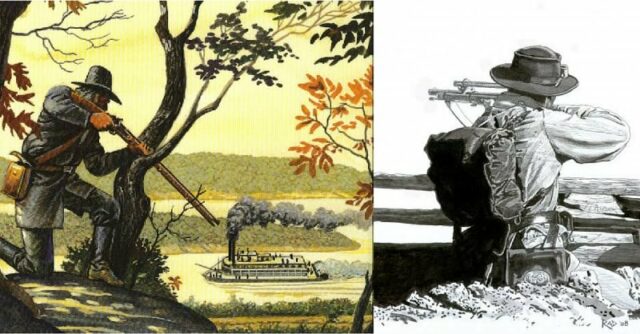
 “Listen my children and you shall hear
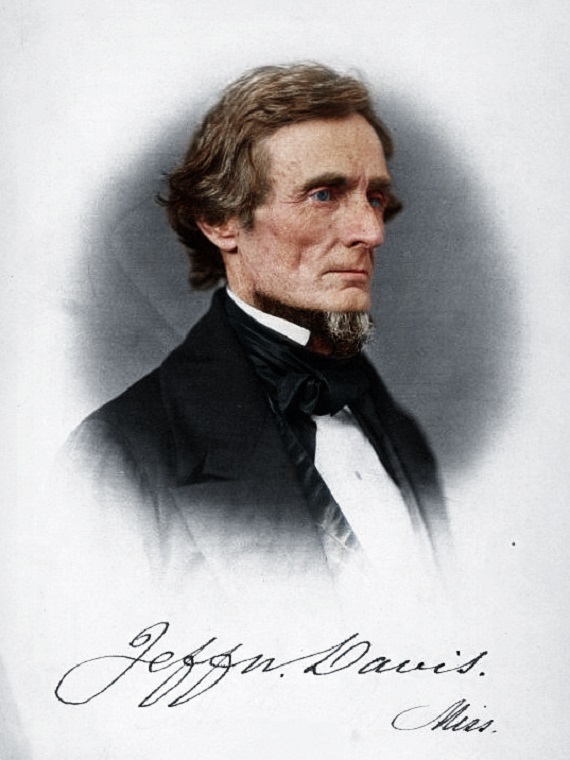 “Mr. Davis once talked to me long and earnestly on the [postwar] condition of the South. Among other things he said:
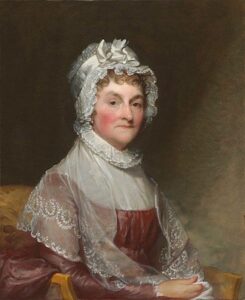 In a letter dated March 31, 1776, Abigail Adams writes to her husband, John Adams, urging him and the other members of the Continental Congress not to forget about the nation’s women when fighting for America’s independence from Great Britain.
 “I received your telegram of the 15th, the genuineness of which I doubted. Since that time I have received your communication, mailed the same day, in which I am requested to detach from the militia of the State of Virginia ‘the quota designated in the table’ which you append, ‘to serve as infantry or riflemen for the period of three months, unless sooner discharged.’

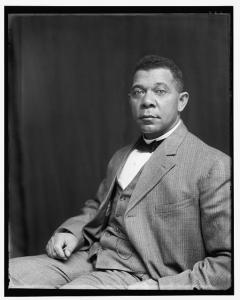 Booker T. Washington indeed might have sought reconciliation between white and black, but his call was truly to his own race alone to educate themselves and to work hard to improve mind and character. Does that make Washington a lesser advocate for racial equality, a less successful one?
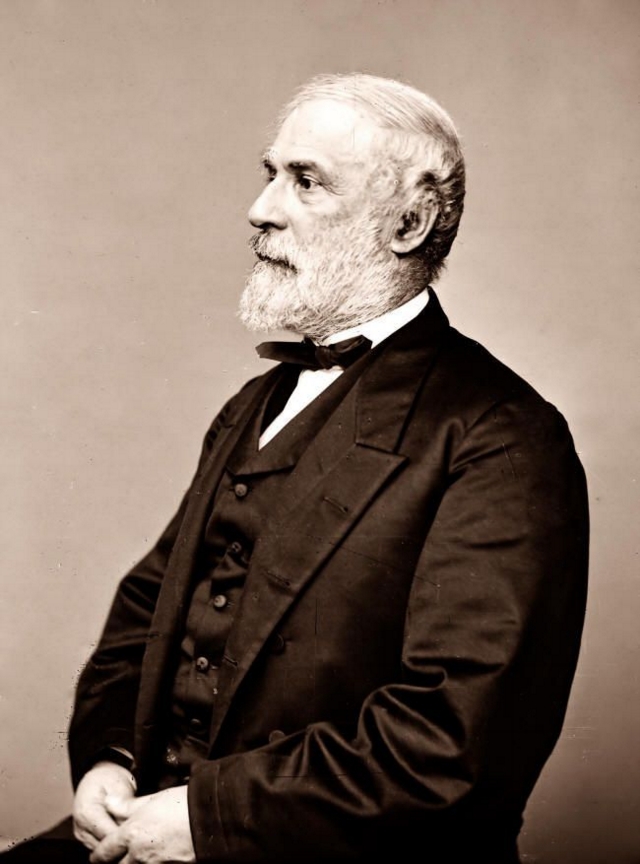 Clearly, Robert E. Lee’s reputation has plummeted from the lofty height it once occupied. It is time to clear a path through the rubble of toppled statues and discarded plaques to examine the qualities of the authentic Lee, as well as the turn of mind that would relegate him to historical ignominy…