
NOTE: Due to the age of the following post, some of the embedded links may no longer be active. We do apologize. ~ Ed.
When war broke out in 1861, the federal government was without its own money machine, though that would soon change. As expenses from the war mounted, the U.S. government once again issued Treasury Notes to help finance it. The Act of July 17, 1861 authorized Secretary of the Treasury Salmon P. Chase to issue notes at 7.30%, a rate chosen to make interest calculation so easy they would circulate as money — a $50 note accrued interest at a penny a day, for example. Though the seven-thirties, as they were called, didn’t circulate, the same Act provided for the issuance of Demand Notes that did circulate. As their name implies, Demand Notes were redeemable in specie, but that promise was broken by December, 1861 when the government suspended specie payment. Continue reading
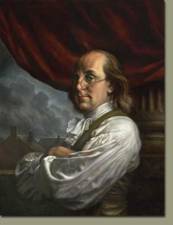 I have heard that nothing gives an author so great pleasure, as to find his works respectfully quoted by other learned authors. This pleasure I have seldom enjoyed; for tho’ I have been, if I may say it without vanity, an eminent author of almanacs annually now a full quarter of a century, my brother authors in the same way, for what reason I know not, have ever been very sparing in their applauses; and no other author has taken the least notice of me, so that did not my writings produce me some solid pudding, the great deficiency of praise would have quite discouraged me.
 I regret that it is not in my power to be with you at your celebration. I join with you in honoring the life and career of that great soldier and high-minded citizen whose fame is now a matter of pride to all our countrymen. Terrible though the destruction of the Civil War was, awful though it was that such a conflict should occur between brothers, it is yet a matter for gratitude on the part of all Americans that this, alone among contests of like magnitude, should have left to both sides as a priceless heritage the memory of the mighty men and the glorious deeds that the iron days brought forth. The courage and steadfast endurance, the lofty fealty to the right as it was given to each man to see the right, whether he wore the gray or whether he wore the blue, now make the memories of the valiant feats, alike of those who served under Grant and of those who served under Lee, precious to all good Americans. General Lee has left us the memory, not merely of his extraordinary skill as a general, his dauntless courage and high leadership in campaign and battle, but also of that serene greatness of soul characteristic of those who most readily recognize the obligations of civic duty.

 This is not a new subject for me. I have written about it for several years now. I guess I keep writing about it because so few people seem to get the message. When it comes to Marxism in the public school classroom people just don’t want to hear about that–and so they tune it out, pretend it doesn’t exist. That way they don’t have to do anything except ignore it and maybe it will go away. It hasn’t and it won’t and you are heaping “coals of fire” upon your children’s heads if you can do something to get your kids out of that situation and you don’t bother.
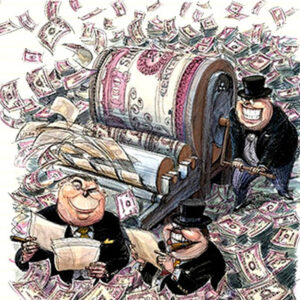 Up until recently I had never given much thought to the subject of economics. I never took an economics class in school and my understanding of the subject could be best explained by, “Don’t spend more than you earn.” However, the more I’ve learned about our system of government, and the men who created it, the more I’ve realized that I’ll never understand the extent of what they did unless I gain some insight into money; how it is created, how it is controlled, and how people profit from its exchange.
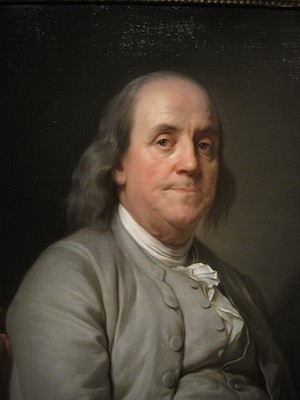 At the close of the Constitutional Convention of 1787, Franklin was queried as he left Independence Hall on the final day of deliberation. In the notes of Dr. James McHenry, one of Maryland’s delegates to the Convention, a lady asked Dr. Franklin “Well Doctor what have we got, a republic or a monarchy.” Franklin replied, “A republic . . . if you can keep it.”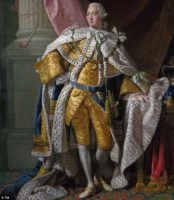
 Every four years, we are reminded that the
 Years ago I saw a bumper sticker for a car that said “Custer died for your sins.” I don’t know who put it out, some Indian group or what, but I felt it was a bit on the blasphemous side. Jesus Christ died to pay for my sins and then He arose from the dead on the first Easter morning. Custer had nothing to do with it, thank heaven! He would have been a pitiful savior.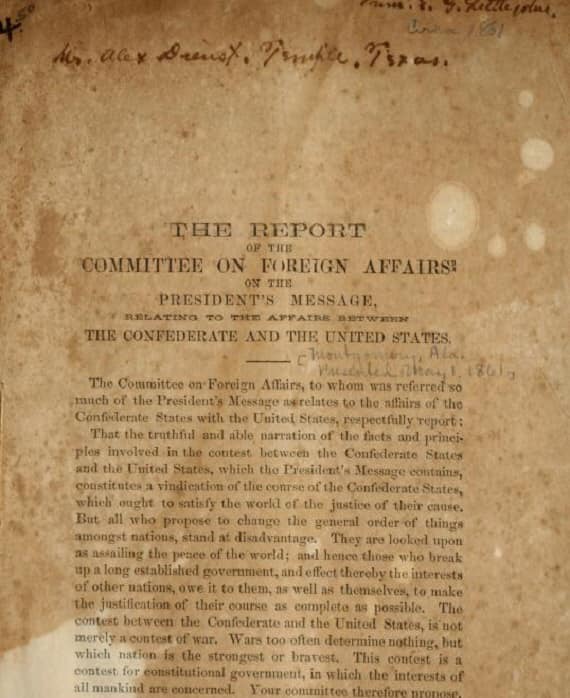
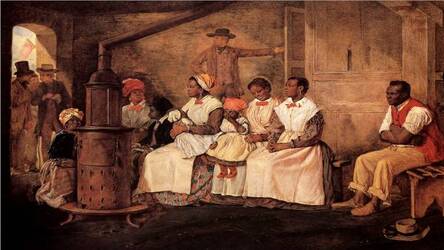
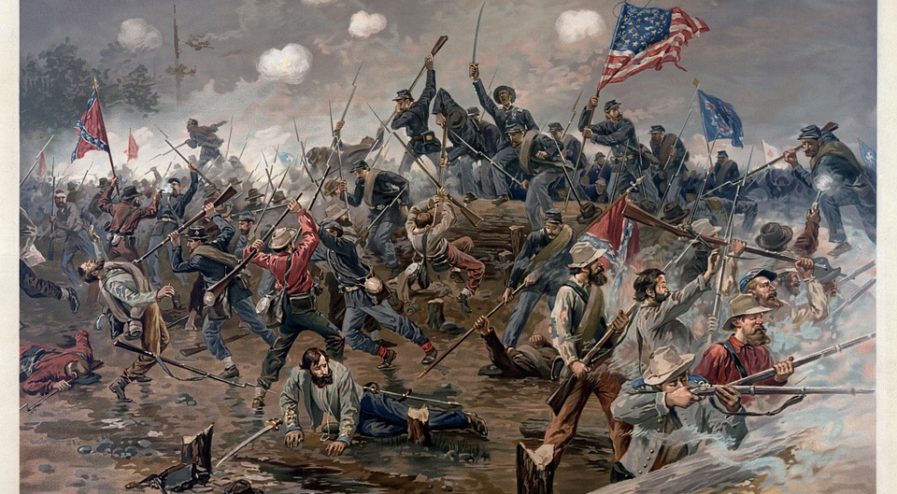
 The Confederacy has been the excuse for some of today’s rioting, property destruction and grossly uninformed statements. Among the latter is the testimony before the House Armed Services Committee by the Chairman of the Joint Chiefs of Staff General Mark Milley in favor of renaming Confederate-named military bases. He said: “The Confederacy, the American Civil War, was fought, and it was an act of rebellion. It was an act of treason, at the time, against the Union, against the Stars and Stripes, against the U.S. Constitution.”
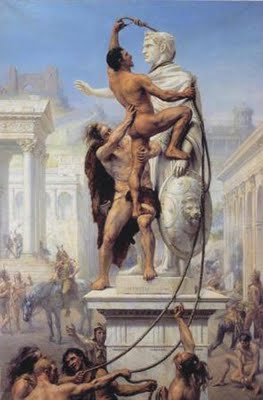 The examination the historical red flags that preceded crises dating back to the Roman Empire.