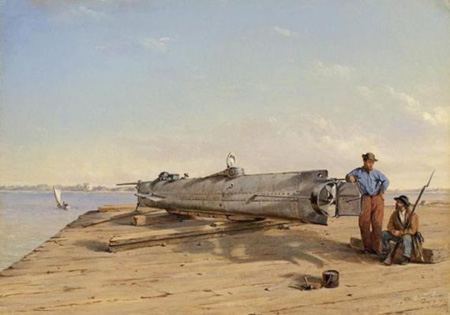
The following is a letter-to-the-editor of the Charleston, SC Post and Courier September 15, 2018 defending the crew of the Confederate submarine CSS Hunley against a letter-writer’s accusation that they were traitors. It applies to all Confederates. This letter was not published by the Post and Courier but has been published in the Abbeville Institute Blog (“Confederate Soldiers Were Not Traitors”, October 3, 2018) and other places.
 Dear Editor of The Post and Courier,
A letter writer on September 12, 2018 is adamant that the proposed museum for the Confederate submarine H. L. Hunley should not be incorporated into Patriot’s Point because Patriot’s Point honors the U.S. Navy and those “who defended the U.S. and its Constitution” whereas the CSS Hunley crew were traitors.
He is correct that the Hunley’s sinking of the USS Housatonic to become the first submarine in history to sink an enemy ship in combat was an historic event, but he errs grievously when he says the Hunley should also be remembered “for their pardons for treason.” That is fake history.
The Hunley crew gave their lives for their country. They were not charged with treason and nobody associated with the Hunley sought a pardon. Continue reading →

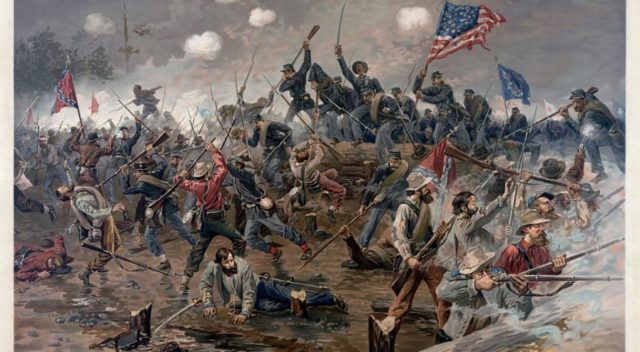 The War of Northern Aggression aka the Civil War had many reasons, economic (tariffs), constitutional (states rights), and even conspiratorial. There were certain people, both north and South of Mason-Dixon that had as their objective the destruction of the Constitutional Republic the Founders gave us. Abraham Lincoln was one of these. And the idea of a One World Government was not new, even in 1860.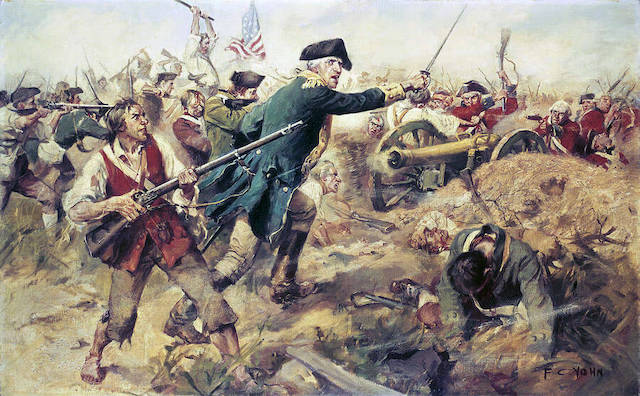

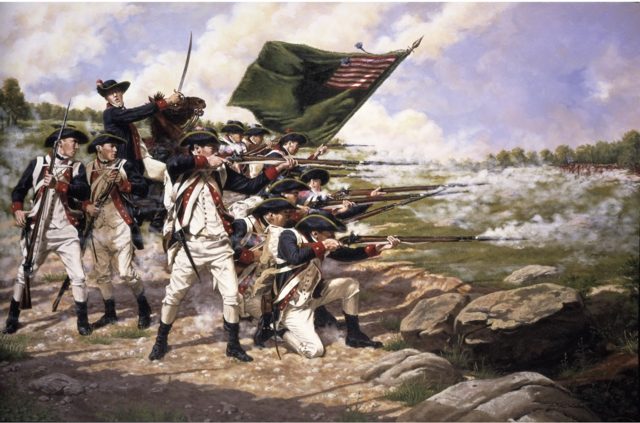
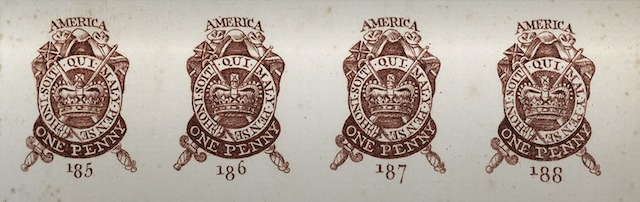 The Stamp Act of 1765 was the first internal tax levied directly on American colonists by the British Parliament. The act, which imposed a tax on all paper documents in the colonies, came at a time when the British Empire was deep in debt from the
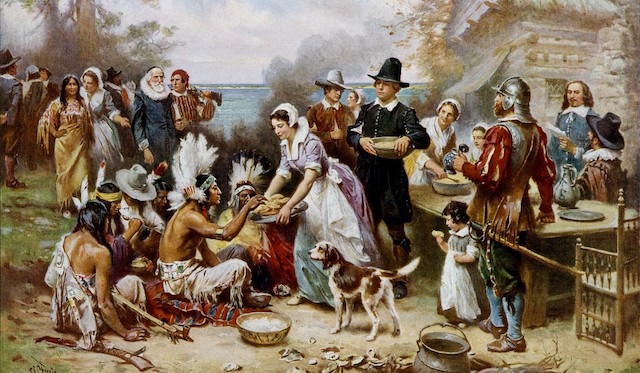 CHARLESTOWN, Massachusetts, June 20, 1676 – The American tradition of Thanksgiving, first celebrated by our Pilgrim Fathers more than half a century ago, was proclaimed today in formal statement for the first time from the steps of the Council House.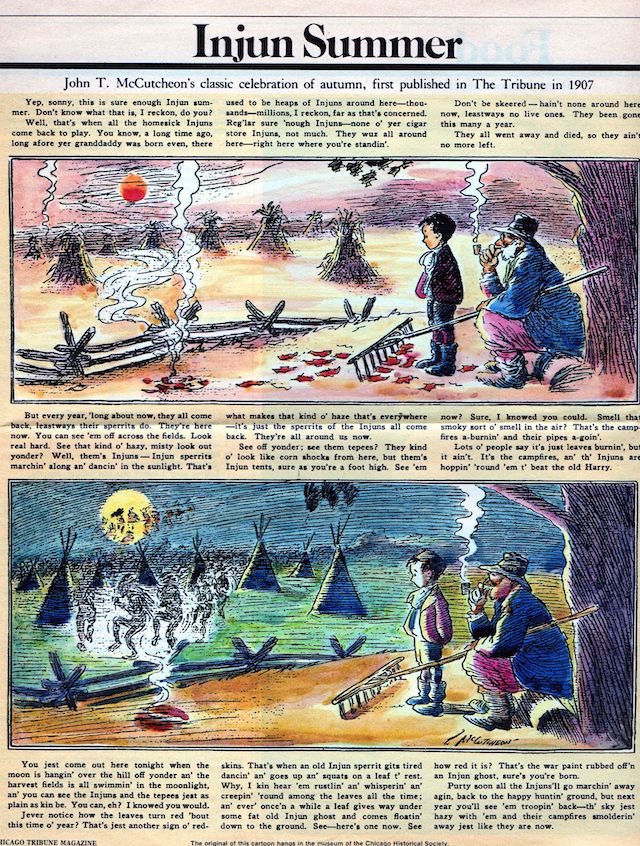
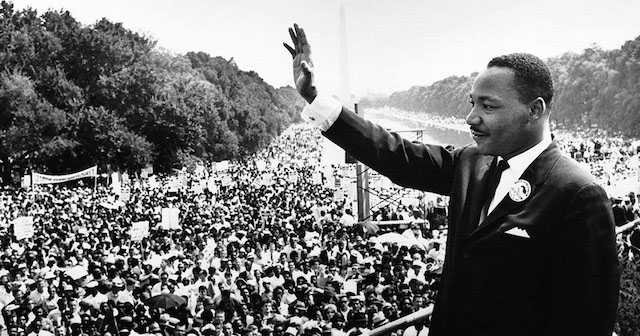 Webster’s Dictionary defines Racism as “The assumption that the characteristics and abilities of an individual are determined by race and that one race is biologically superior to another.” Another more direct way of saying it is “Blind hatred of another simply because of his/her race.”
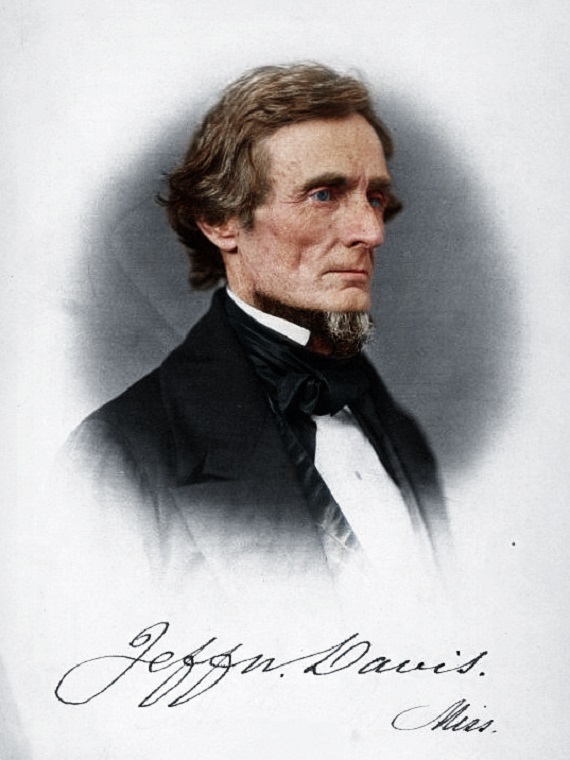 MONTGOMERY, April 29, 1861
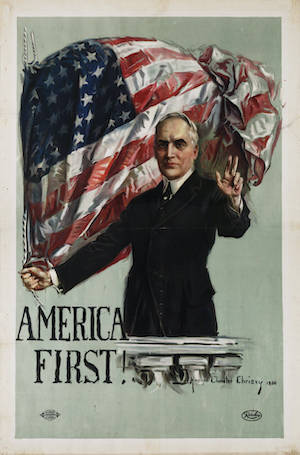 “I find a hundred thousand sorrows touching my heart, and there is a ringing in my ears, like an admonition eternal, an insistent call, ‘It must not be again! It must not be again!'” said a tearful President Warren G. Harding in May 1921, as 5,212 wooden caskets with the remains of American servicemen from France arrived on the docks in Hoboken, New Jersey.
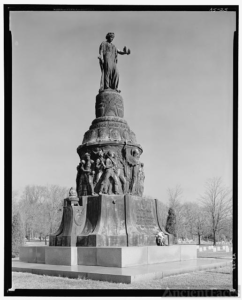 WASHINGTON (AP) — An independent commission is recommending that the Confederate Memorial at Arlington National Cemetery be dismantled and taken down, as part of its final report to Congress on the renaming of military bases and assets that commemorate the Confederacy.
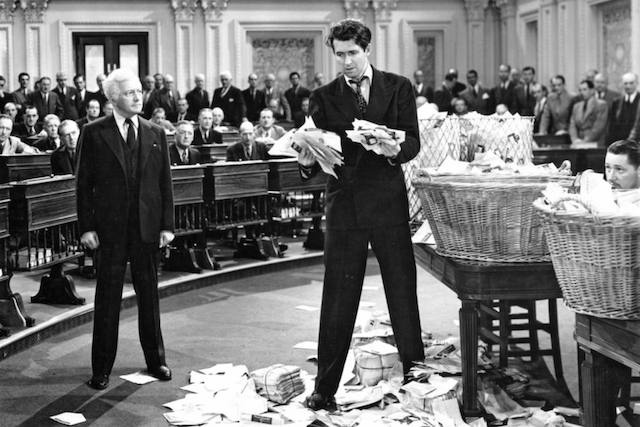 The most famous filibuster in American history is a fictional one. In Frank Capra’s 1939 film
 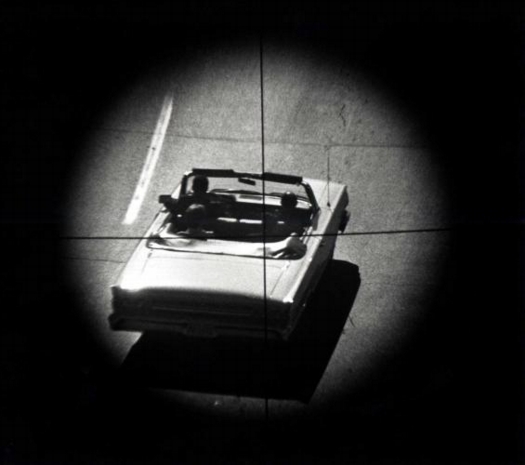 Owing to the many federal records that have been released over the years relating to the Kennedy assassination, especially through the efforts of the Assassination Records Review Board in the 1990s, many Americans are now aware of the war that was being waged between President Kennedy and the CIA throughout his presidency. The details of this war are set forth in FFF’s book
 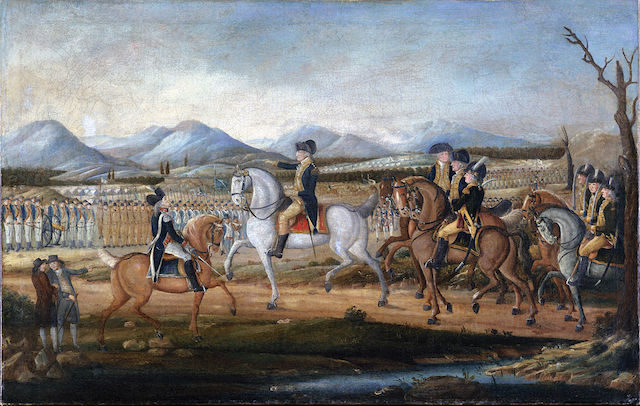 President George Washington writes to Henry “Light Horse Harry” Lee, Virginia’s governor and a former general, regarding the Whiskey Rebellion, an insurrection that was the first great test of Washington’s authority as president of the United States. In the letter, Washington declared that he had no choice but to act to subdue the “insurgents,” fearing they would otherwise “shake the government to its foundation.
  It is never too late to put up a fight for freedom. True, the prospect for such a venture at this time seems bleak indeed, what with the prevailing madness to push more power upon the political overseer so that he might the better regulate our lives. Recruits would be scarce. From the rank and file, those who under all circumstances are determined to be harnessed, little can be expected; they are too preoccupied with mere existence. And those who seem to have the necessary ingredients – that is, those who have by their own initiative pushed themselves above the general level – are equally fervent for a regulated and subsidized existence under an omnipotent State. Subvention has become everybody’s business.
 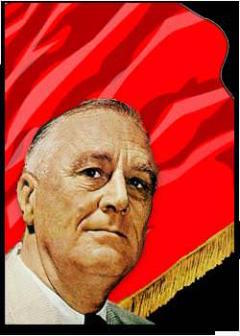 There are those who still think they are holding the pass against a revolution that may be coming up the road. But they are gazing in the wrong direction. The revolution is behind them. It went by in the Night of Depression, singing songs to freedom.
 This weekend was a busy one… but no – nothing outdoors, as it is still too damned hot. I have spent hours moving my office and studio around to a degree, getting caught up on long-ignored files, and then less than an hour ago I was reviewing some old broadcasts and landed upon one which I had never re-aired nor re-listened to – and was totally shocked.