In 1933, a group on businessmen conspired to unseat President Roosevelt and overthrow the government. One man stopped them…

Still from Universal newsreel footage of Smedley Butler describing his 1934 congressional committee testimony (Wikimedia Commons)
Toward the climax of director and screenwriter David O. Russell’s new historical drama Amsterdam (2022), Dr. Burt Berendsen (Christian Bale) narrates a line that is not only central to the film’s plot and themes, but also one of the most telling quotes in recent American film history. Burt and his friends have begun to uncover the shadowy and sinister plan at the film’s center, a plan by powerful moneyed figures to overthrow the president of the United States and replace him with an unelected dictator. And Burt asks both himself and the audience, in the voiceover narration to which the film returns frequently, “What’s more un-American than a dictatorship built by American business?”
Continue reading
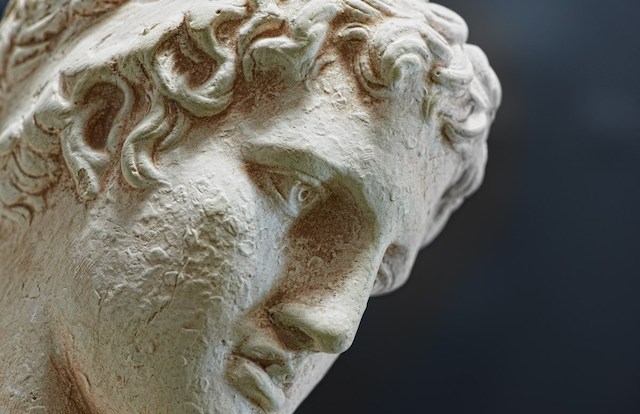 Banished for debasing the currency from his home city in what is now north-central Turkey,
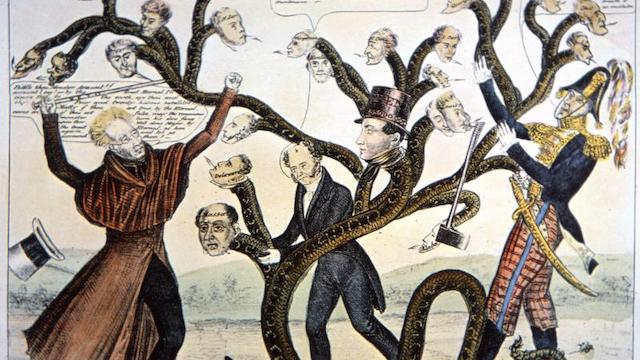
  The days of New York City’s Tammany Hall and the Windy City’s “Chicago Machine” may be technically over, but that doesn’t mean Democrats have given up trying to rig and steal elections in a neverending power grab that would make Mayor Daley blush. Not by a long shot. In fact, you can bet the farm that virtually any cockamamie proposal put out there by anyone with a D beside their name is specifically designed to do one thing and one thing alone – get votes.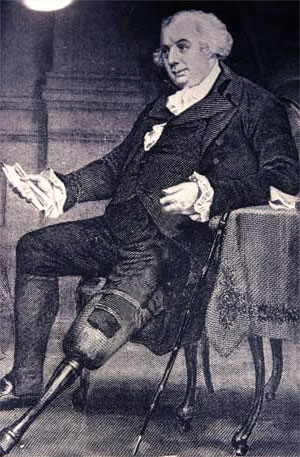
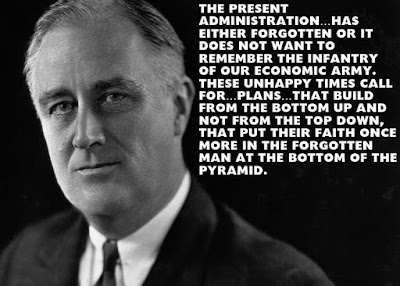 In this speech, delivered in the depths of the Great Depression, presidential candidate Franklin Roosevelt sought to explain the dramatic ideological differences between himself and the Republican President Herbert Hoover, ‘the Great Engineer.’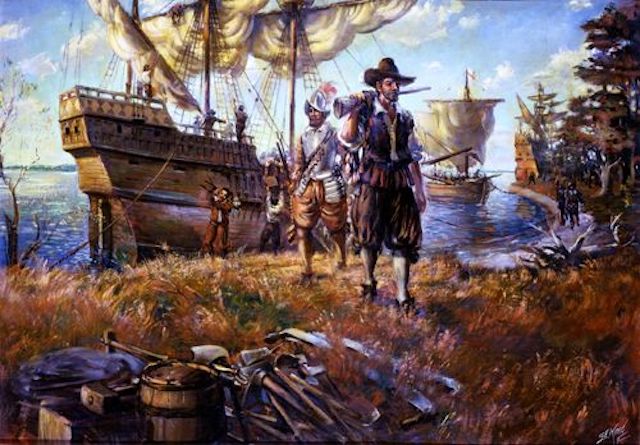
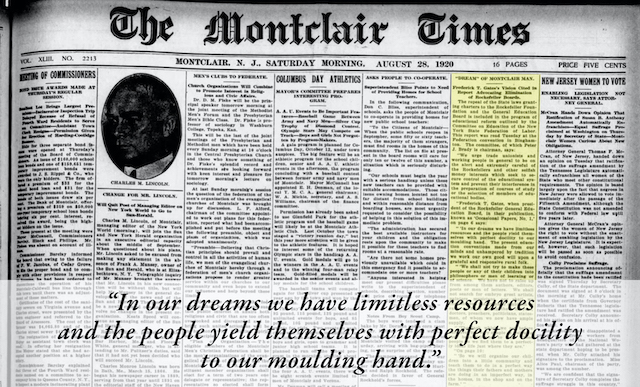 What follows is the transcript of the 1920 newspaper clipping. The actual clip is at the end.
 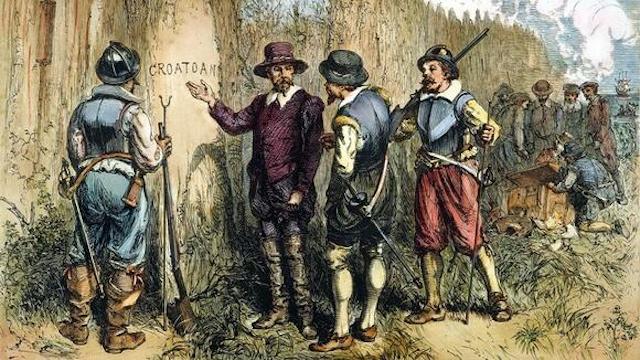 The story of the Roanoke Colony is one of the most enduring mysteries in American history. In the late 16th century, a group of English settlers established a colony on Roanoke Island, located off the coast of present-day North Carolina. However, when a supply ship returned to the colony in 1590, all its inhabitants had vanished without a trace. This puzzling event has captivated historians and researchers for centuries, with various theories and speculations attempting to unravel the fate of the lost Roanoke Colony.
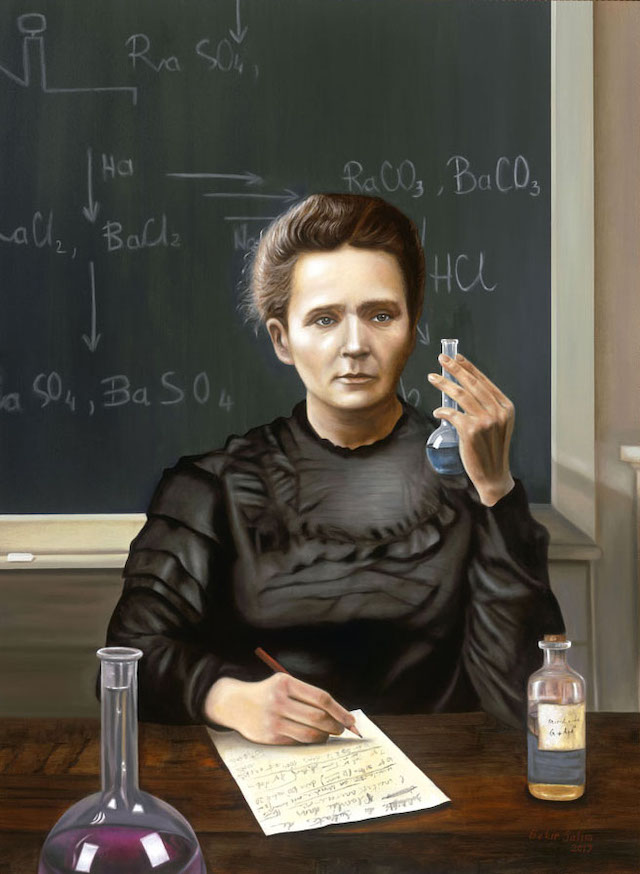 Considered to be one of the most famous 20th-century scientists, Marie Curie is the only person to win two Nobel prizes in two different fields. Defying the expectations for what a woman should be during her time, Curie paved the way for our understanding of radioactivity. She also discovered two new elements, but not without paying a horrific price…