The African Slave Trade ~ Profits and Prosperity
The Evening Post, the New York Tribune, and other anti-slavery journals in this city are discharging themselves of such a mass of special and minute information about the movements of slavers, and the activity of the slave trade in New York, New London, New Bedford and Boston, that it seems highly probable they are stockholders or secret agents in the business.
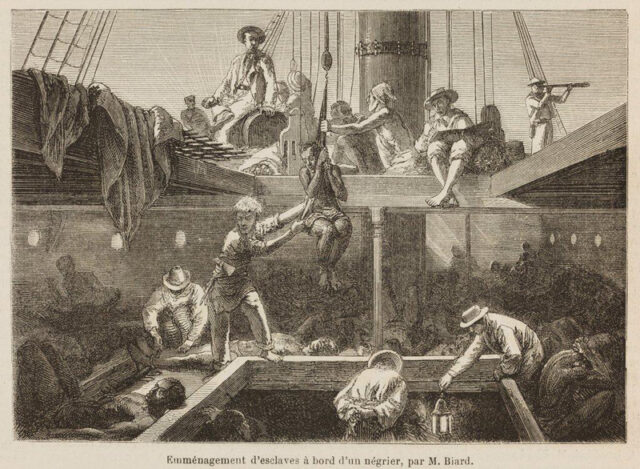
These ports, in which the slavers are fitted out belong to the most rabid anti-slavery States, and there can be no doubt that the vessels are the property of the Republicans in those several places. The profits of the trade are so great that they can well afford to contribute a hundred thousand dollars or more towards the election of an anti-slavery President [Lincoln]. From lists published a short time ago In the Post and Tribune, it appeared that eighty-six* slavers had Sailed from this port and the other ports we have mentioned, and from other cases since reported, the number cannot be now far short of one hundred sail. The net proceeds on a cargo of five hundred slaves are at the lowest estimate $100,000, which is only an average profit of $200 per head. The sum of the profits of the “blackbird fleet” at one hundred vessels would therefore amount to ten millions of dollars, and this estimate makes an allowance of five million for expenses and losses.
From facts and figures it is evident that it is a most profitable, prosperous business, and accordingly we are informed by the Post that steamships are about to give new activity to the traffic, and that they will be packed with some 3,000 negroes, whose aggregate prices would sum up about a million of dollars. One instance is mentioned by both our anti-slavery contemporaries, of 450 negroes being landed on the 30th of June from an American bark, and sold publicly in the streets of Trinidad at an average of $650 each. The gross proceeds of this cargo would be $292,500, which, for one hundred “blackbirds.” Would amount to upwards of twenty-nine millions of dollars, leaving a clear profit of from twenty to twenty-five million. It is added, in the Post, that the Governor of Trinidad received in this transaction $30,000 hush money.
Now, it may be fairly asked, how those who are not implicated or interested in the trade themselves can be so well posted in this matter of bribery, or make up the lists of slavers which have appeared in their journals? How can they be so minutely informed of the names of the vessels, their captains, the ports from which they have sailed, the number of slaves they land, the prices received for them, and the “hush money” to corrupt Governors, unless they are secret partners in the trade? If they are possessed of all this information, they must have known of the fitting out of every vessel before she sailed. Why did they not give information to the authorities before the bird had flown, unless they had an interest in concealing her flight till it was too late. Once these ships bare made their voyages and landed their cargoes, and the owners have realized fortunes, they or their agents may then inform the public that such operations were made, the legal evidence against those concerned being no longer in existence.
They can thus afford to be severe in their denunciations of the slave traffic, and call it “infernal,” having the prices of the Africans in their pockets, or snugly deposited to their credit in banks, and they can also afford to bleed copiously for the purchase of campaign documents to secure the election of Old Abe Lincoln. Like sleek Joseph Surface, in the “School for Scandal,” who zealously preached up sentiments of morality to his wild brother Charles at the very moment that he had Sir Peter Teazle’s wife concealed for a criminal purpose in his room, the anti-slavery loaders are most enthusiastic against the slave traffic at the very time that they are enjoying its profits and doing a thriving business In human flesh.
The New York Herald, August 10, 1860, Page 4
Transcribed by Bobby Edwards, September 19, 2018
 By now, it’s a well-known fact that American adults don’t read. Fourteen percent can’t read at all. Thirteen percent can’t read proficiently. And according to Pew, one in four adults didn’t even bother to pick up a book in the last year Flaggers.
 Jimmy Carter may have been the last Jeffersonian to be president. A recent article in the
  August 20, 2018
 Facebook and Google generation are too willing to surrender privacy says leading scientist
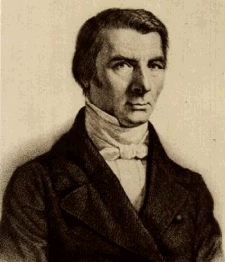 CLAUDE FREDERIC BASTIAT was a French economist, legislator, and writer who championed private property, free markets, and limited government. Perhaps the main underlying theme of Bastiat’s writings was that the free market was inherently a source of “economic harmony” among individuals, as long as government was restricted to the function of protecting the lives, liberties, and property of citizens from theft or aggression. To Bastiat, governmental coercion was only legitimate if it served “to guarantee security of person, liberty, and property rights, to cause justice to reign over all.”
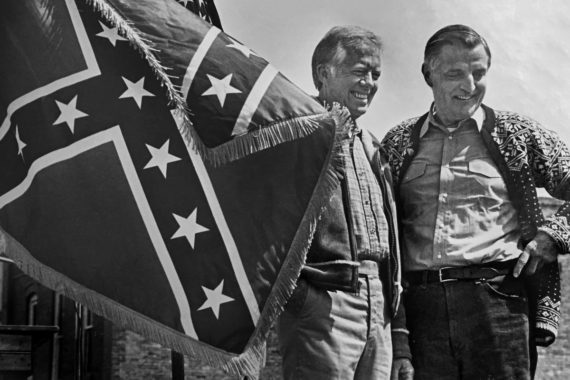
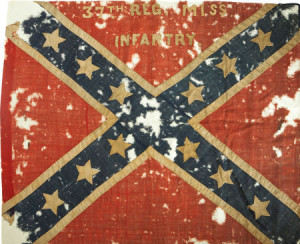 I am the Confederate Battle Flag. My design is based upon the Saint Andrew’s Cross of Scotland. Some prefer to call me the “Rebel Flag”. Either name I will wear with honor. There is certainly no shame in being called Confederate, as the people who bore that same honorable title are remembered for their bravery on the field of battle, a Southern culture built upon hard work, and faith in God. As for the name “Rebel”, it was the Revolutionary War soldier and outstanding pamphleteer, Thomas Paine, in his series “The American Crisis“, said: “Let them call me Rebel and welcome — I feel no concern from it“. Because you see, it was George Washington and his Colonial Army who were the original Rebels. My boys in gray were the second to wear the name.

 February 26, 2012
 While trying to come up with a subject for our weekly column, America’s immigration dilemma started doing ever-tightening circles in our mind. It is a dilemma that has been coming at legal Americans like a slow-moving freight train for several decades and it now may have reached the point where it cannot be fixed politically. The illegal immigration freight train has become a run-away!
 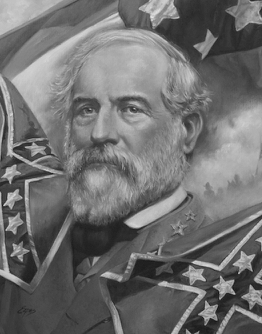 During the American war the sympathies of the German people were strongly on the side of the North. They showed their good feeling toward the Union and their confidence in its success by subscribing largely for United States bonds, at a most critical period both for our arms and our finances – a confidence which Congress has abused in a most humiliating way by providing for cheating the bondholders out of eight cents on the dollar. Thus do we ourselves efface the glories of the war and of emancipation.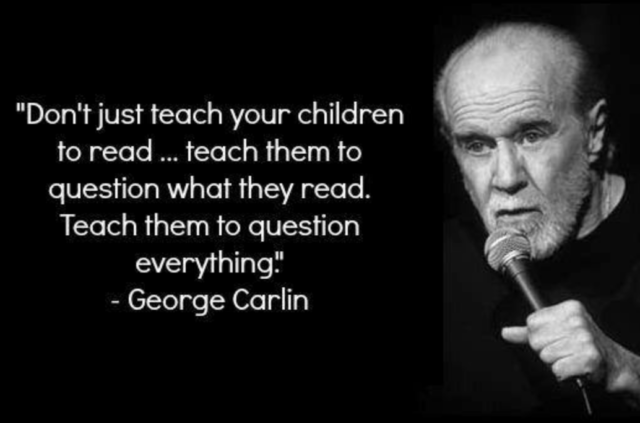
 Gadsden was a successful and influential Charleston, South Carolina businessman and Statesman. He was an early advocate of Independence and engaged in the creation of the South Carolina Constitution. Elected Governor in 1782 he refused to serve on ground of ill health but remained actively involved in State affairs opposing States consolidation.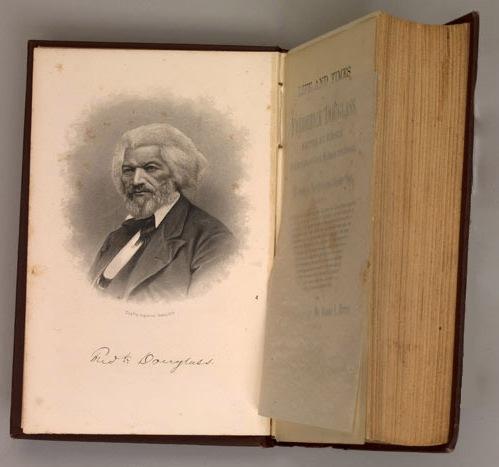
 An education policy analyst is calling on Education Secretary Betsy DeVos to do away with an Obama-era regulation dealing with school discipline.