 The paper money that funded the American Revolution led to post-war grievances, the most well-known of which was Shays’s Rebellion in back-country Massachusetts. For years after the war the Boston legislature imposed taxes, falling mainly on those least able to pay, for the full payment in specie of the highly-depreciated notes issued during the war and held mostly by well-to-do legislators and bankers. As a further aggravation, the war was fought mostly by those on whom the taxes fell, while the elites stayed home. (See the Nobel-worthy Shays’s Rebellion: The American Revolution’s Final Battle by Leonard L. Richards)
Petitions for redress having been ignored by the legislature for several years, town leaders in western Massachusetts organized marches, beginning in August 1786, to shut down the courts, demanding that the state constitution be revised. Eventually, through force of arms, the government put a halt to the uprising while mischaracterizing it as a refusal of the poor to pay their just taxes. Continue reading
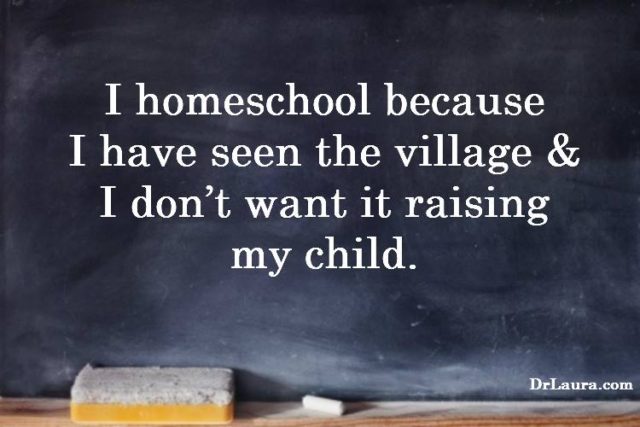 It is National School Choice Week and a new poll indicates growing support for school choice options.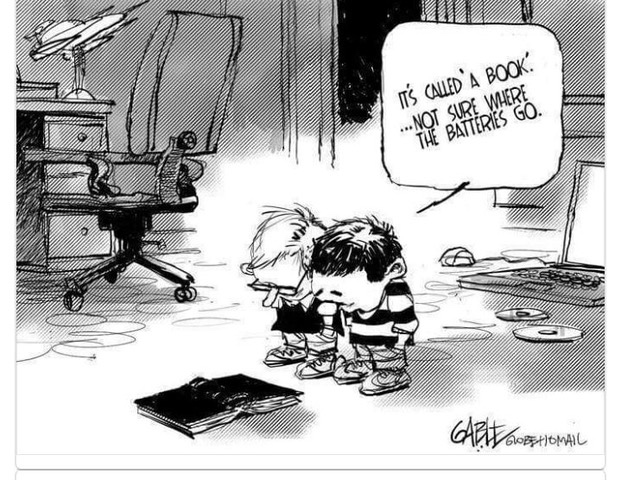
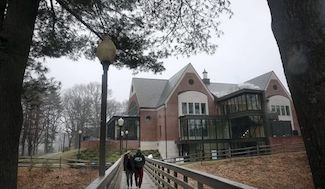 Small private colleges across the country are increasingly finding themselves trapped between ever-rising expenses and unchanging endowments, forcing administrators into hard decisions such as canceling courses, merging with other colleges and even closing schools.
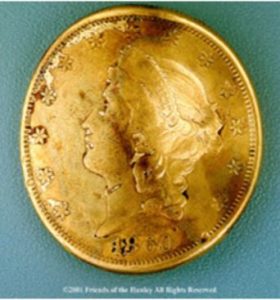 A story that a sweetheart gave a Confederate soldier George Dixon a $20 gold coin dated 1860 as a good luck charm has been validated. The story was that George kept the coin with him always, in his pocket, as good luck. During the Battle of Shiloh, George was shot point blank. The bullet struck in his pocket hitting the center of the gold coin. The impact was said to have left the gold piece bent, with the bullet embedded in it which saved his life.
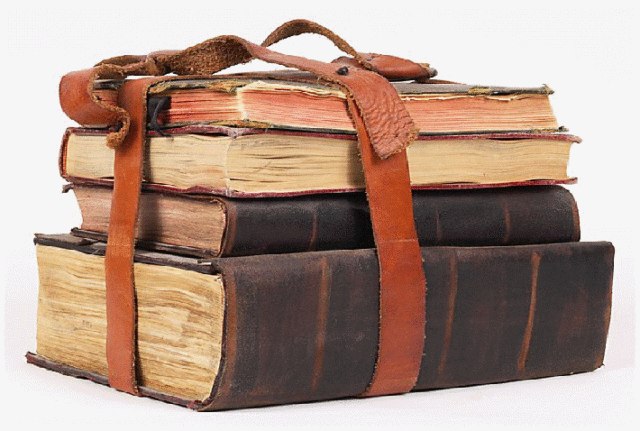 On a recent fall afternoon, bright and chilly as it can be in the Midwest, a group of parents in St. Louis had the opportunity for an informal visit from the president of Wyoming Catholic College and his wife, who is an associate professor at the school. The Doctors Arbery — Glenn and Virginia — each brought to the group the approach they take to education at the school, approaches exemplified by those whom they were quoting.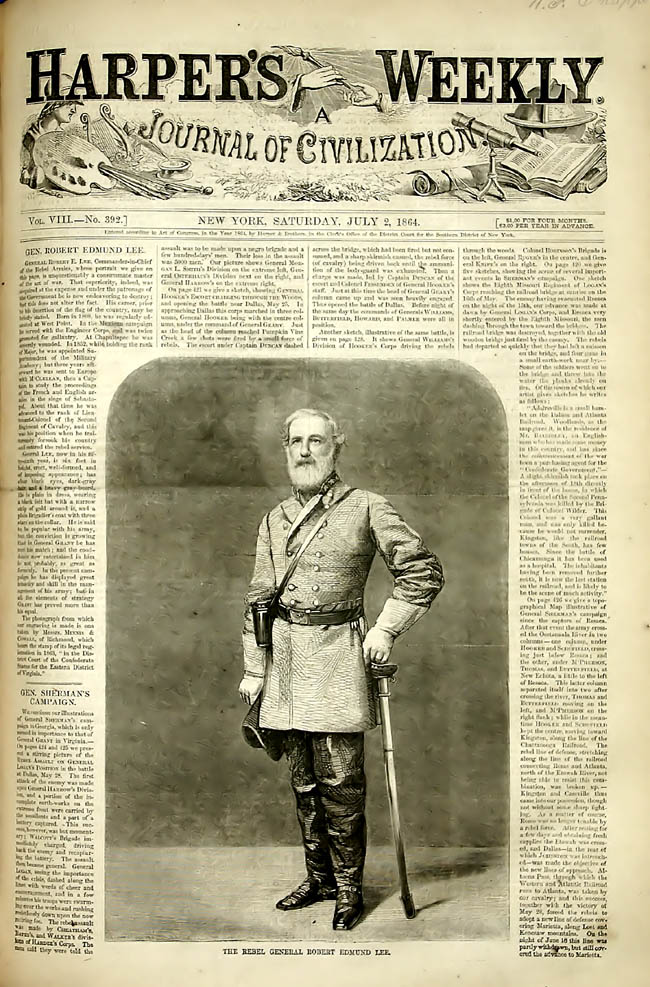
 When deciding whether or not to homeschool your child, it’s important to keep in mind both the positives and negatives of homeschooling.
 In a decision last week, the European Court of Human Rights has undermined its claim to being the “conscience of Europe” and pitted parents against children.
 Adulting, the now common
 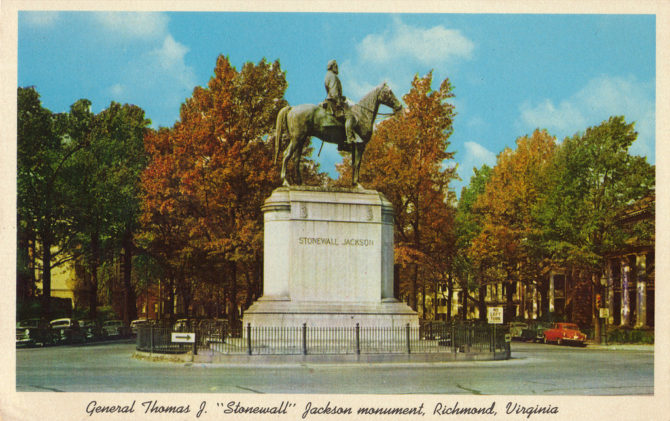 In 1875, Rev. Moses Drury Hoge stood before 40,000 people in Richmond, Virginia, at the foot of the newly dedicated statue of Thomas J. “Stonewall” Jackson, and delivered what one historian called the “noblest oration of his later life.”
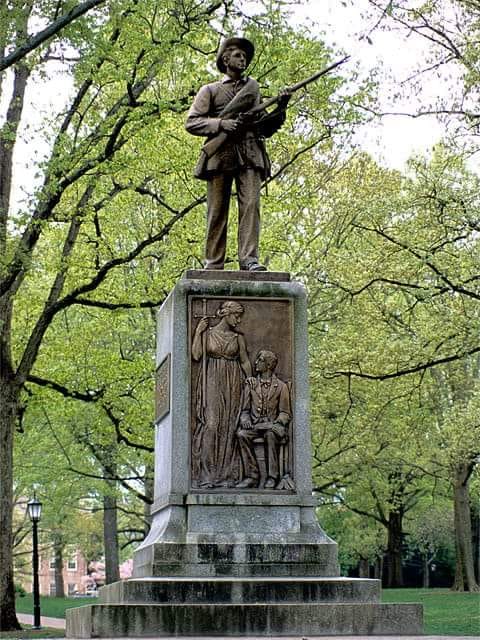 As I carefully read and re-read what follows below – I sit in grief tonight – not just for who these images represent – but what they represent… and I mean far greater than the Southern region of this once great land – but in fact – the slow, sad death of the entire nation. I am not just speaking of the Confederate States of America – but the united States of America. Throughout history – no nation nor her people have always been in agreement, but I’ll not take the time to list any for you this day.
 As 2018 wound down, our nation’s colleges and looniversities continued their campaign to bury our civilization under a mountain of idiocy.
 Teachers (have gone) on strike in the Los Angeles school district …
 A new bill has reportedly been pre-filed in South Carolina that would require high school students in the state to take a personal finance class.