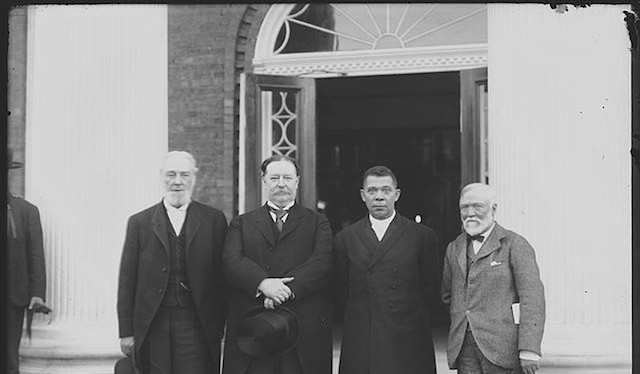
Frances Benjamin Johnston/Library of Congress via AP
Booker T. Washington was one of the greatest American educators, and we could not do better in our quest to reform our educational system than to adopt his plan of combining trades with classical learning, thus training the hands, the head, and the heart.
Washington, who had been born a slave on April 5, 1856, and even after freedom always had to work incredibly hard for the learning he obtained, understood the vital importance of education. But he did not want it to be mere literacy or checked-off boxes, as is so often the case in Communist nations, and now even in the United States. A bad education, particularly one with bad morals and principles, can be just as harmful as no education at all, or even more harmful. Continue reading →

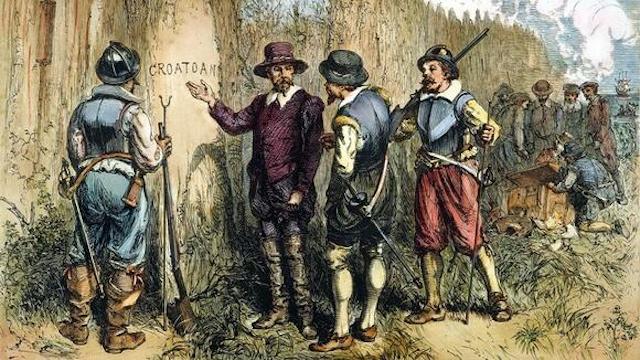 Tiny iron fragments in ancient trash heap reveal fate of America’s first English settlers.
 A recent study has found a 50% decline in the use of semicolons over the last two decades. The decline accelerates a longterm trend: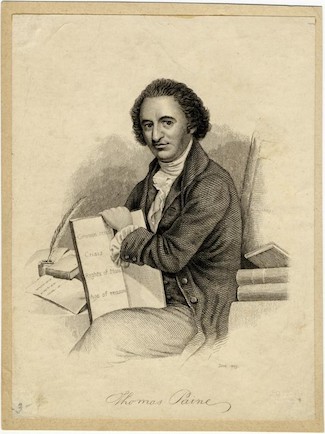
 There’s a battle going on right now in our neighboring state of Illinois concerning the Illinois Homeschool Act. This Act takes the current minimal oversight of homeschoolers in Illinois and places families at risk of violation by state appointed truant officers right in their homes.
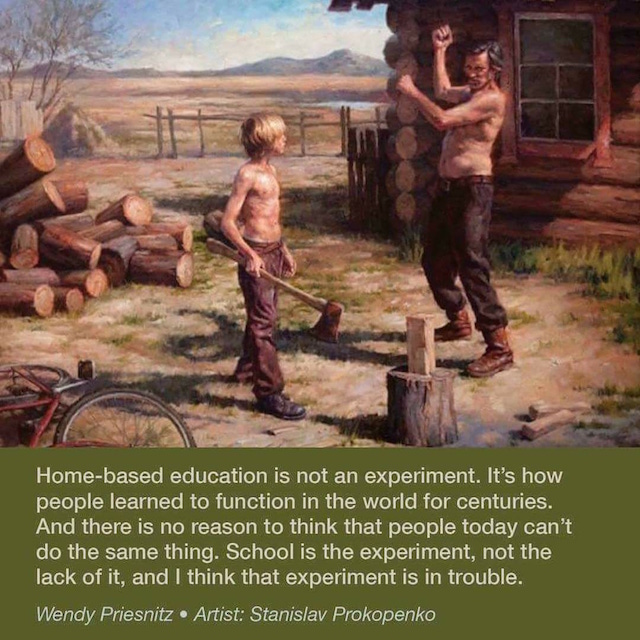 When our sons were 3 and 6, my husband and I attended a homeschooling conference led by an expert and author in the field. During one session, the speaker asked the audience to share what traits they hoped their children would develop in school. Integrity, critical thinking, creativity, and curiosity were among the answers. She then posed a thought-provoking question: “How much emphasis do you think public schools place on teaching these values?” She added, “Who here believes that if parents take control of their children’s education, they can instill those traits?”


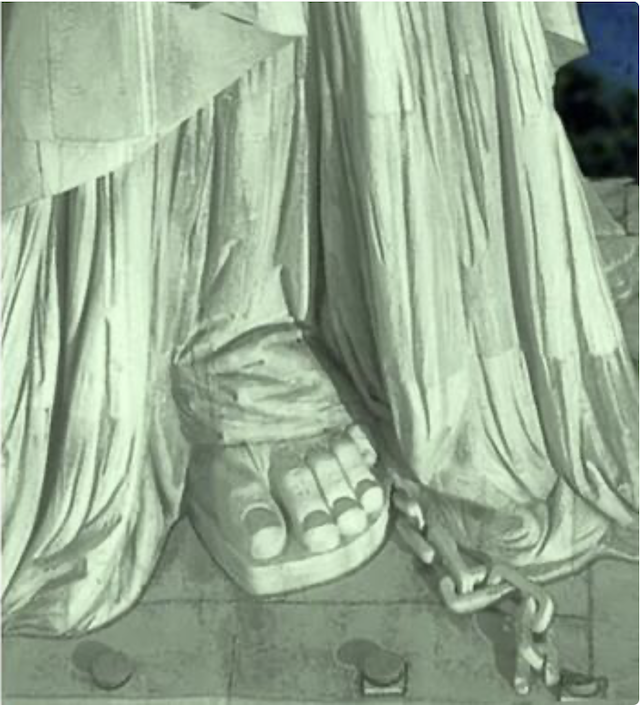 With her flowing robes, flaming torch held high, and crown radiating out to the world like a beacon of hope, the Statue of Liberty has stood as an American emblem off the coast of New York for over two centuries.
 GORHAM, Maine – While renovating a 200-year-old academy building, workers found a treasure trove of secret notes and doodles from students in the early 1800s.
 A friend of mine recently told me that his daughter got an F on her college paper.
 There are many voices promising that wealth is the path to the ‘good life.’ But, knowing your ‘why’ is the path to a meaningful life.
 You know you’re getting old when you begin transferring the dreams you once had for yourself – such as playing basketball for the NBA – on to your child, a friend of mine recently noted.
 Homeschooling has exploded in popularity in recent years, particularly since the pandemic. But researchers are still exploring why parents choose to homeschool their children.