
I should say that he was an old-fashioned man in respect for the Constitution, and his faith in the permanence of this Union.
Read to the citizens of Concord, Massachusetts
I trust that you will pardon me for being here. I do not wish to force my thoughts upon you, but I feel forced myself. Little as I know of Captain Brown, I would fain do my part to correct the tone and the statements of the newspapers, and of my countrymen generally, respecting his character and actions. It costs us nothing to be just. We can at least express our sympathy with, and admiration of, him and his companions, and that is what I now propose to do.
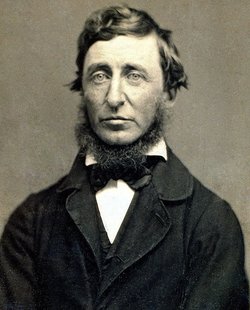
Henry David Thoreau
First, as to his history. I will endeavor to omit, as much as possible, what you have already read. I need not describe his person to you, for probably most of you have seen and will not soon forget him. I am told that his grandfather, John Brown, was an officer in the Revolution; that he himself was born in Connecticut about the beginning of this century, but early went with his father to Ohio. I heard him say that his father was a contractor who furnished beef to the army there, in the war of 1812; that he accompanied him to the camp, and assisted him in that employment, seeing a good deal of military life, – more, perhaps, than if he had been a soldier; for he was often present at the councils of the officers. Especially, he learned by experience how armies are supplied and maintained in the field, – a work which, he observed, requires at least as much experience and skill as to lead them in battle. Continue reading


 ~ Prologue ~
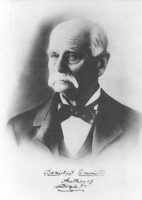 Loved by many, despised by others, “Dixie” is still among the most recognizable of all American songs. Ironically, it was written by a Northerner, Daniel Decatur Emmett. Bryant’s (blackface) Minstrels premiered it in New York City on April 4, 1859. “I Wish I Was in Dixie’s Land” was an instant hit, and its popularity spread quickly. By 1860 it was especially enjoyed in Southern states and soon also among Confederate army bands. However, many Union bands also played Dixie during the war, or versions of it, and President Lincoln included Dixie among his favorites. There are numerous variations and alternative verses.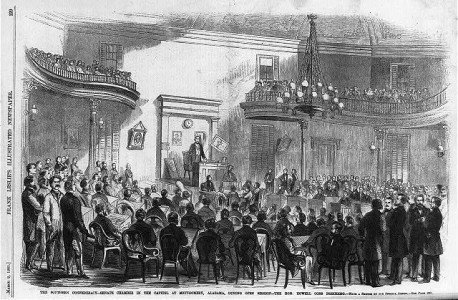
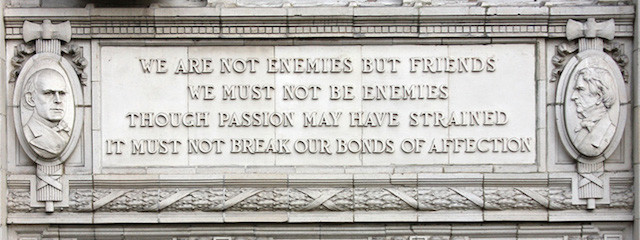 The Capitol, Washington, March 4, 1861 – The national upheaval of secession was a grim reality at Abraham Lincoln’s inauguration. Jefferson Davis had been inaugurated as the President of the Confederacy two weeks earlier. The former Illinois Congressman had arrived in Washington by a secret route to avoid danger, and his movements were guarded by General Winfield Scott’s soldiers. Ignoring advice to the contrary, the President-elect rode with President Buchanan in an open carriage to the Capitol, where he took the oath of office on the East Portico. Chief Justice Roger Taney administered the executive oath for the seventh time.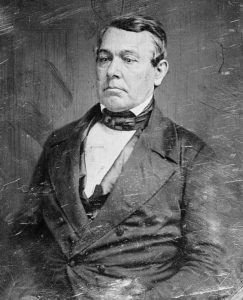
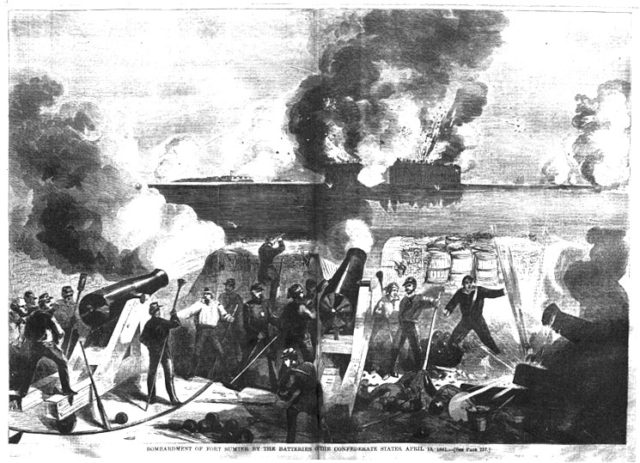
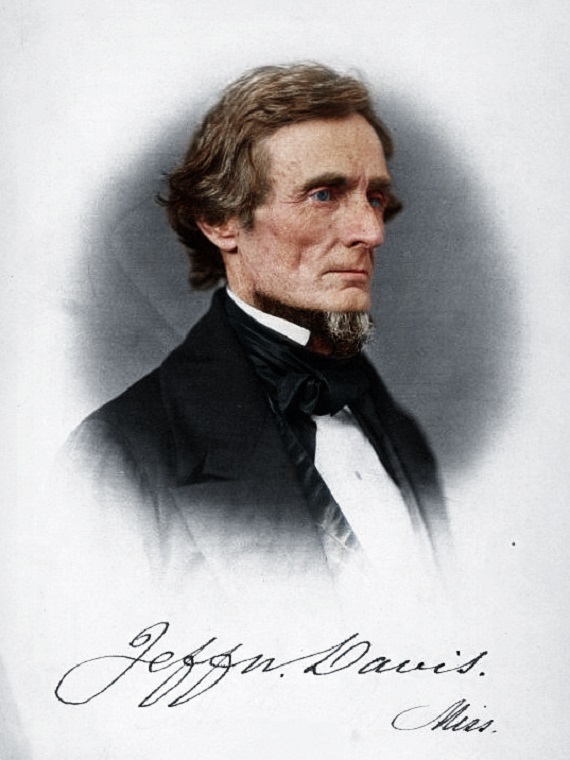 Called to the difficult and responsible station of Chief Executive of the Provisional Government which you have instituted, I approach the discharge of the duties assigned to me with an humble distrust of my abilities, but with a sustaining confidence in the wisdom of those who are to guide and to aid me in the administration of public affairs, and an abiding faith in the virtue and patriotism of the people.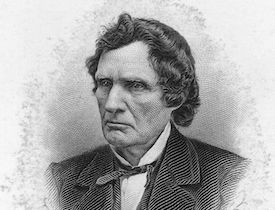
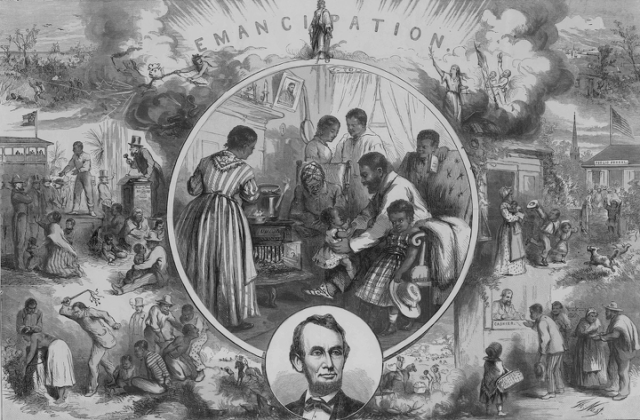 January 1, 1863
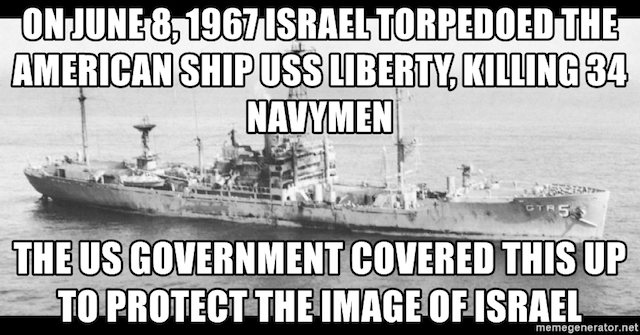 “Keep your friends close, and your enemies closer.”
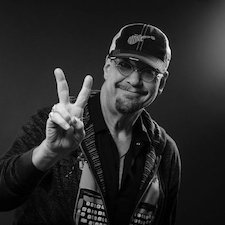 Penn Jillette – the larger, louder half of Penn & Teller – is a magician, comedian, actor, author and producer. The following commentary was offered during the battles of the 2008 Democrat and Republican National Conventions for the Presidency of the united States.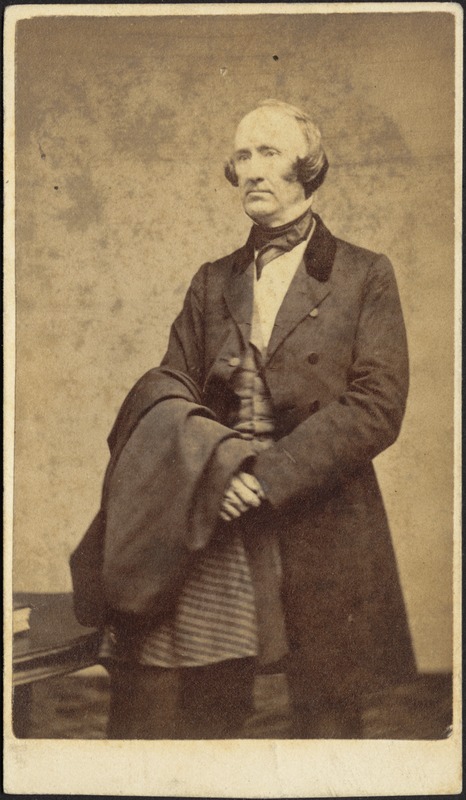
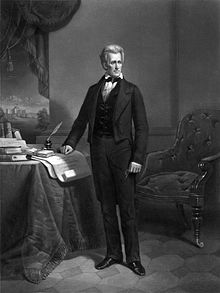
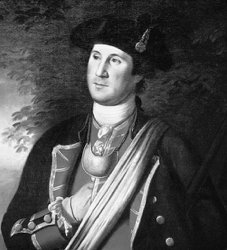 December 21, 1772 ~ Ferry Farm, in Fredericksburg, Virginia, on the banks or the Rappahannock River, was one of several properties owned by George Washington’s father, Augustine. He acquired the property in 1738 and moved his second wife, Mary Ball Washington, to the farm along with their five young children. Augustine died suddenly in 1743 at age 49. He left his Mount Vernon estate to Lawrence, his eldest son from his first marriage, and Ferry Farm, with its ten slaves, to George, who was 11 years old at the time. Mary retained control of the farm until he came of age at 21.