
the American Revolution
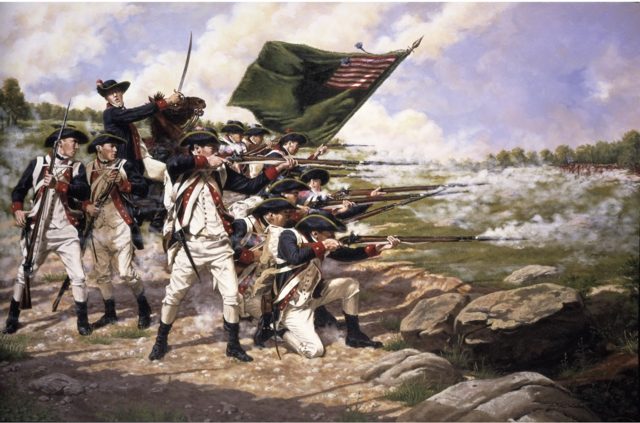 The Battle of Long Island – August 27, 1776
We had our American Revolution over two centuries ago and the years have done something to it. The legends remain, and the statues and the grassy earthworks and the great body of tradition, but a good deal of the reality has been filtered out – revised! When we look back to see Washington crossing the Delaware on a cold winter night, or kneeling in prayer in the snow of Valley Forge; we see the Minutemen, or a lanky Virginian rifleman picturesque in fringed buckskin; but somehow it all seems out of a pageant, and neither Washington nor the men who followed him quite come alive for us. Continue reading
 Learning doesn’t have to stop when the school bell rings. Some of the best learning takes place outside of the classroom. So, if your child is struggling with a particular subject, or if you want to expand their knowledge beyond what they’re learning in class, you can do so without spending a lot of money or signing up for extracurricular activities.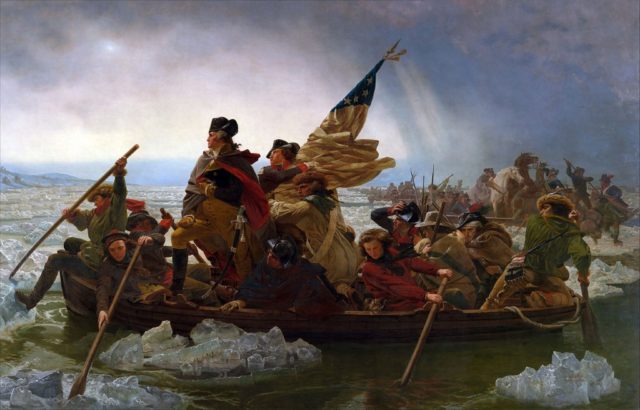
 It is very important that parents, grandparents, and teachers teach discipline, thinking skills, and motivation, plus help children get good grades in school. Today, we will continue on this very important critical motivation, learning skills, and educational journey.
  In March of 2021 writer Christopher F. Rufo did an article for Hillsdale Colleges’ publication Imprimis in which he dealt with Critical Race Theory and its origins. I can’t deal with it all here. It is long and informative and you may be able to find it on the internet–if it hasn’t been censored off by now. For my purposes here I will give you a brief quote. Mr. Rufo noted that: “Critical race theory is an academic discipline, formulated in the 1990s, built on the intellectual framework of identity-based Marxism. Relegated for many years to universities and obscure academic journals, over the past decade it has increasingly become the default ideology in our public institutions.”
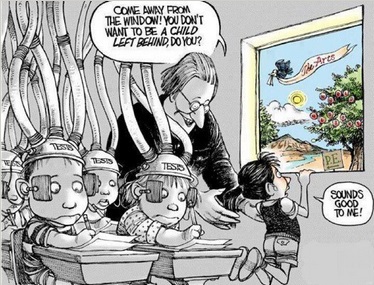 Everyone knows that the quality of education in our public schools is declining. We continue to fall behind the rest of the world, and this is particularly true in science and in math.
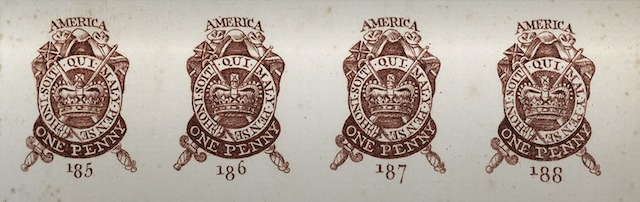 The Stamp Act of 1765 was the first internal tax levied directly on American colonists by the British Parliament. The act, which imposed a tax on all paper documents in the colonies, came at a time when the British Empire was deep in debt from the
  When Frances E. Anderson saw the
  I was once told, “You chase yourself in circles, searching for answers that are not to be found within, for if they were, you would have found them by now. Look elsewhere!“
 A long long time ago, I can still remember…
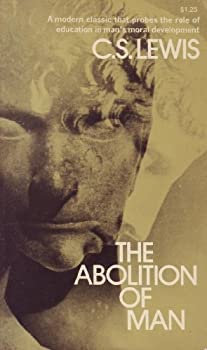 “All the time – such is the tragi-comedy of our situationwe continue to clamour for those very qualities we are rendering impossible… In a sort of ghastly simplicity we remove the organ and demand the function.
 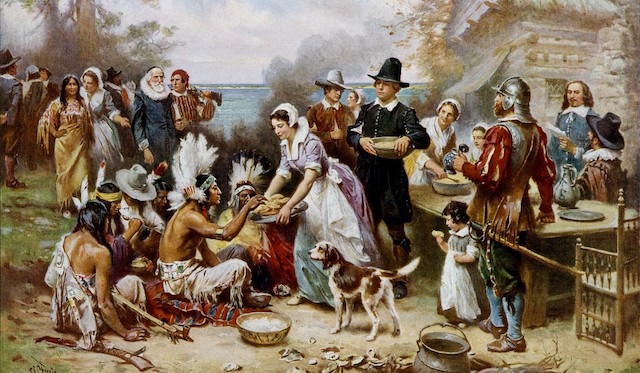 CHARLESTOWN, Massachusetts, June 20, 1676 – The American tradition of Thanksgiving, first celebrated by our Pilgrim Fathers more than half a century ago, was proclaimed today in formal statement for the first time from the steps of the Council House.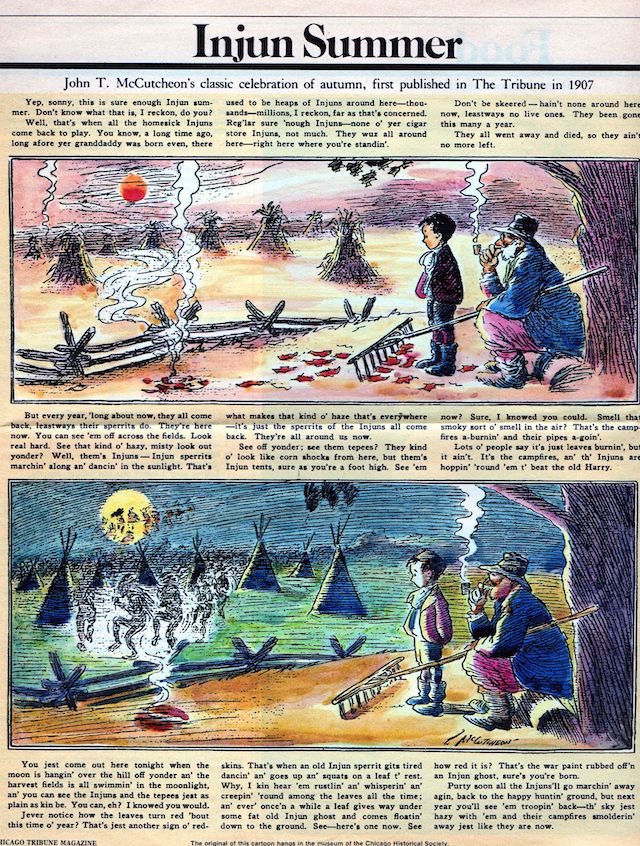
 Dear Editor of The Post and Courier,
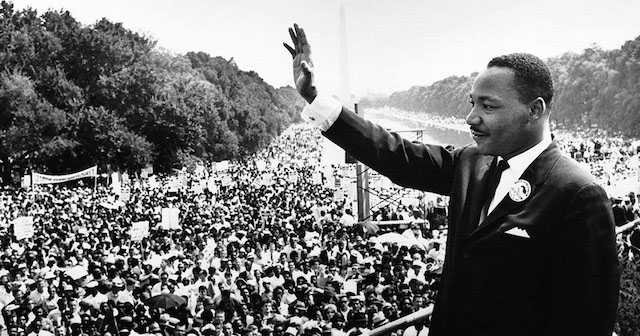 Webster’s Dictionary defines Racism as “The assumption that the characteristics and abilities of an individual are determined by race and that one race is biologically superior to another.” Another more direct way of saying it is “Blind hatred of another simply because of his/her race.”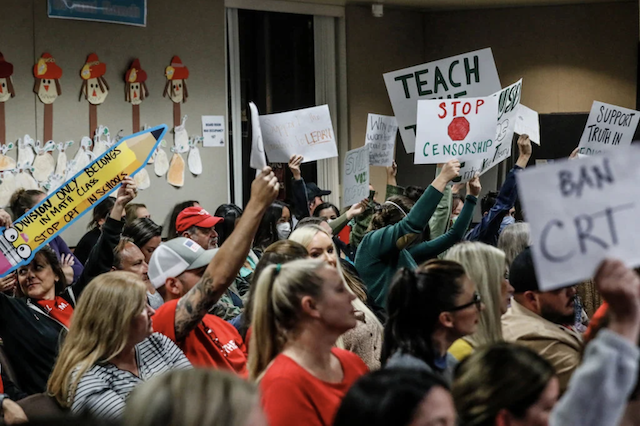
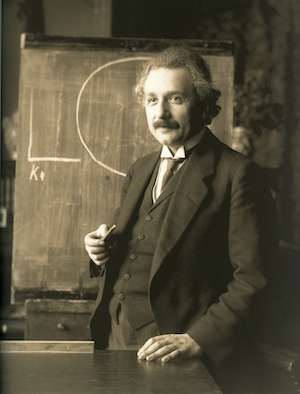 Albert Einstein was very satisfied with his job at the Swiss patent office. There he had time to study, read, and think about his time/space theory and how electromagnetism, gravity, and space-time were related. One of his great abilities was being able to search past and present subjects related to the physic questions in his mind. The search for past and present subjects gave him insight into his time-space, gravity, electromagnetism, and other thoughts and ideas.
 The average American child fell behind in math by six months due to COVID school closures, with students in the nation’s poorest areas behind two-and-a-half years.
 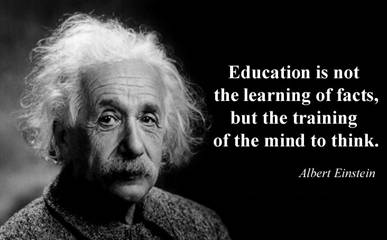 In Almost every article, book, and publication about Albert Einstein, the words describe him as one of the greatest scientists that ever lived. His theories and discoveries about time, space and other discoveries about electromagnetism, high-frequency radiation, quantum mechanics, gravity, and Brownian motion changed the world.