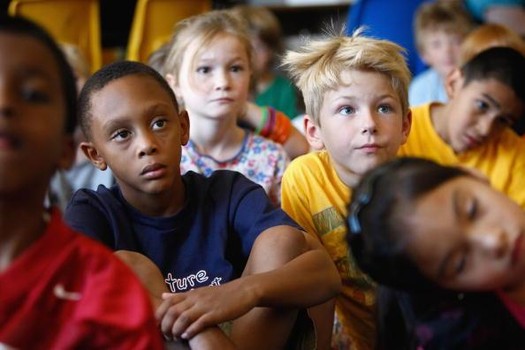
Putting shop class BACK in session should be number 1 on the list…
 Everybody loves Mike Rowe. His matter-of-fact sense of humor, his humility, and his willingness to get involved in the many work sites featured on his “Dirty Jobs” show make him an endearing figure.
But Rowe is also very intelligent. He has his finger on the pulse and problems of America in a way that many others often don’t recognize. Take the recent interview he did with Nick Gillespie of Reason in which he discussed how the missteps of the education system produced a generation of entitled young people who turn up their noses at blue collar or low-paying work. Continue reading
 In the vibrant tapestry of human expression, art stands out as a medium that transcends words, allowing souls to communicate in colors, shapes, and movements. For children with learning disabilities, delving into the arts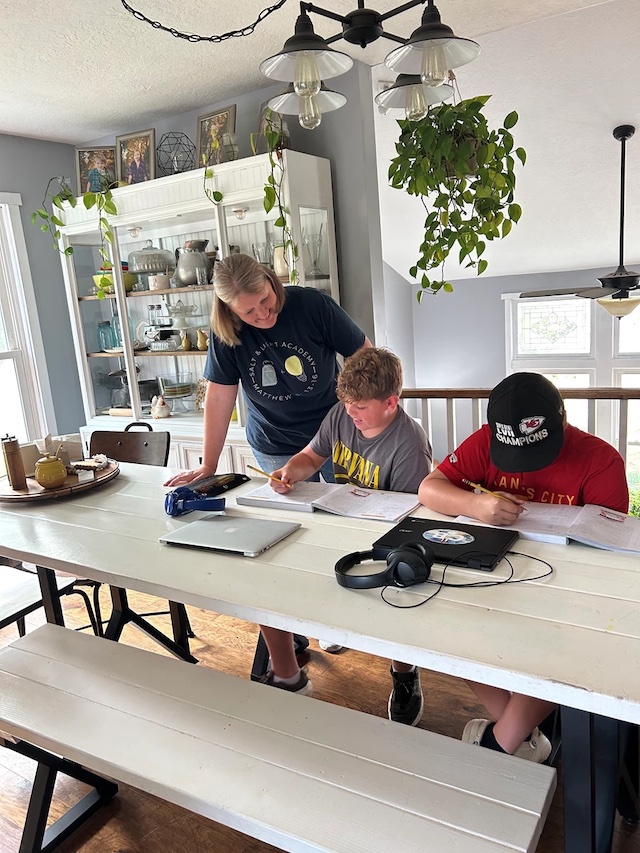
 It may be true, as the late, great Andrew Breitbart famously said, that “politics is downstream of culture.” But both are downstream of education. Nothing is more important to our families or to the future of our country than the moral, social, psychological, and intellectual development of our children.
 The days of New York City’s Tammany Hall and the Windy City’s “Chicago Machine” may be technically over, but that doesn’t mean Democrats have given up trying to rig and steal elections in a neverending power grab that would make Mayor Daley blush. Not by a long shot. In fact, you can bet the farm that virtually any cockamamie proposal put out there by anyone with a D beside their name is specifically designed to do one thing and one thing alone – get votes.
 Now that parents with school age children are homeschooling – whether they want to or not – I would like to offer some ideas towards teaching important educational skills at home. There is so much that parents can accomplish while families are in these unique “lock down” situations.
 George Washington, it’s famously said, was “First in war, first in peace, and first in the hearts of his countrymen.” Such firsts undoubtedly contributed to his other great achievements, including his election as president of both the Constitutional Convention and the United States.
 If you’re like most parents, you want the best for your children, especially when it comes to education.
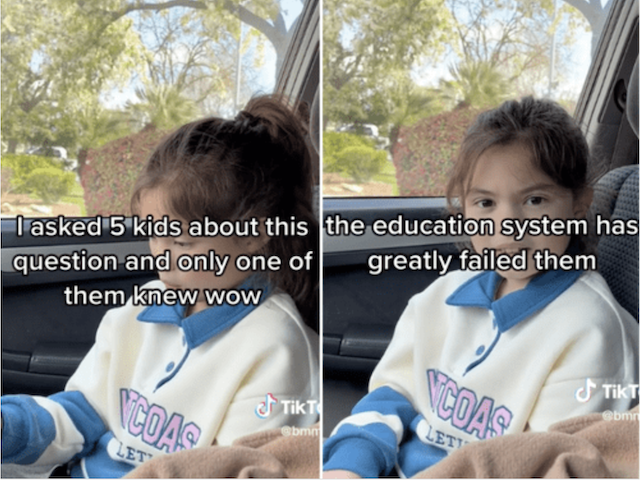 While some of us loved to study history in school, many found the subject rather boring. Even though it teaches us about the significant impact past events still have on us, several children are not a fan of history. A little girl found this fact very surprising as she discovered that her classmates didn’t know about European history.
  If I could change one thing about my past teaching, it would be homework. As in, I would never assign it. I’m just not convinced that the positives outweigh the negatives, and I’m not alone. Many teachers (even entire districts) are getting on the
  Gone are the days of memorizing a word list and taking weekly spelling tests. Recently, an emerging trend has been observed across schools nationwide, moving away from traditional spelling tests. This shift in approach raises questions about the value these tests and how they actually work. Teachers are recognizing the limitations of spelling tests and exploring alternatives.
  My wife and I recently met with the principal of the school our daughter attends to discuss her education future.
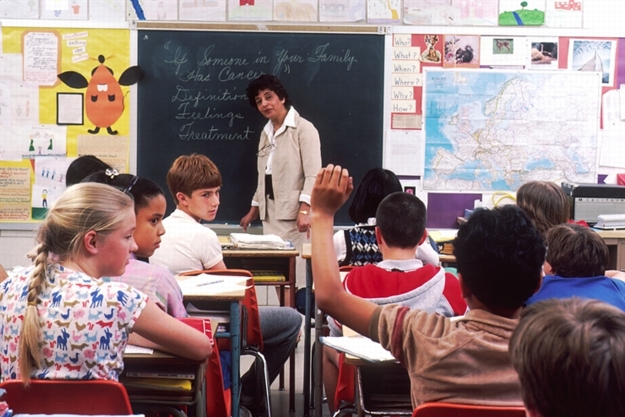 We moved to a good school district. The area was growing. Built for families like ours, all of the public schools in the area received “A” or “8/10” ratings. There were two very expensive and very fancy private schools in the area. It was an idyllic place to raise children.
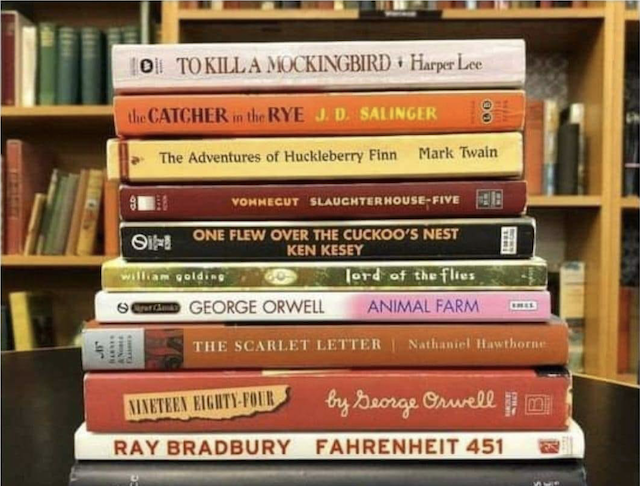 There are a lot of novels out there and choosing which to read isn’t always easy. But there are classics that we believe that everyone should read at least once. That is why we made a list of 25 classic novels that you should read. Keep reading to find out which books made our list!
 After-school activities are more than just ways to keep your child occupied once the school day is over. They play a pivotal role in shaping a child’s personality, instilling values, and building a diverse set of skills. During busy work seasons, it becomes especially important for parents to ensure that their children are engaged in productive activities that enrich their lives in multiple dimensions.
 Author’s note: