~ Foreword ~
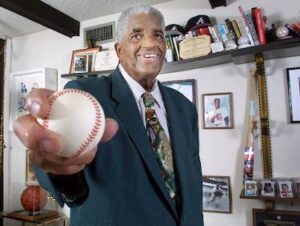
Joe Black – when I knew him. ~ J.B.
I hadn’t seen Joe for about two and a half months and wondered why. Now I know the answer as to why.
I acquired my private mail box on Shea Boulevard in 1996 and while most of the folks remained private for one reason or another, I was soon introduced to Joe Black – for the second time in my life.
The first was in 1955, when I was seven years old and was just learning about the national pastime. I spent summers in Eagle, Wisconsin – I was a Milwaukee Braves fan – County Stadium was my ‘home away from home’. Joe Black left the Brooklyn Dodgers that year and signed on with the Cincinnati Red Legs – and brought with him quite a legacy – the first black pitcher to bring his team a pennant. Joe spent the rest of his life bringing the winning pennant home to whatever endeavor he tackled.
I never broke bread with the man – but we broke the silence of two people with little in common – and I never asked him for his autograph. May you rest in peace sweet man.
Without Apology I am,
‘Ambassador for the Game and Life’
Legendary Brooklyn Dodgers pitcher Joe Black died of prostate cancer Friday morning at the age of 78, passing away at an aftercare facility in Scottsdale.
“At moments like this, when we’re worrying about other things within the game, it really doesn’t mean too much,” Commissioner Bud Selig said. “I’ve known Joe Black a long time. He loved the game and was so willing to always be helpful. He was one of those rare individuals who was willing to give of himself unconditionally. You just don’t find people like that, especially in professional sports.” Continue reading →

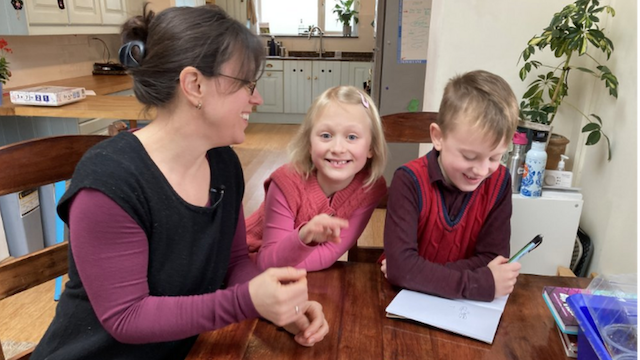


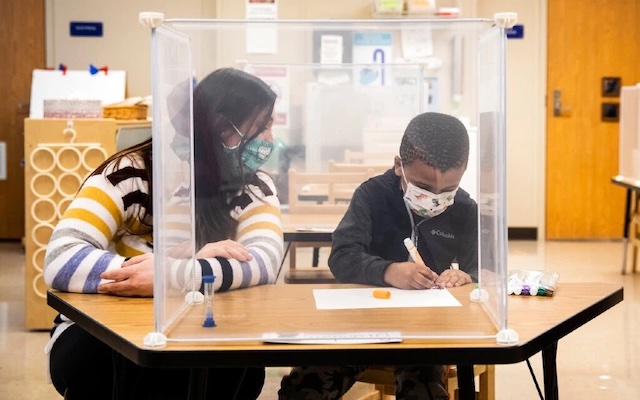 The state’s literacy rates have been on the decline since the 2014-15 school year, with a six-point fall between the 2018-19 and 2020-21 school years. Micah Clark, director of the
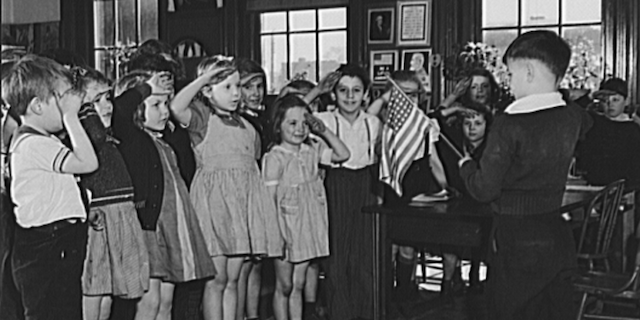
 Most young folks today think that everything that happened before they were born is ancient history, and therefore, totally irrelevant. Hopefully, as they grow in age and maturity they will shed this truncated worldview and grasp the fact that the past has a large influence on the future. I have noted, over the years, that if our view of the past is faulty, then our vision for the future will be also, Most historians today give our young people a faulty view of the past because it is one they were taught themselves.
  Several days ago, I was handed a pile of old schoolwork and curriculum found in paperwork and memorabilia from my grandmother. Sifting through the stack, I soon pulled out several booklets labeled “Minnesota State Board Questions Certified.” Yellowed with age and somewhat dog-eared, they appear to be workbooks with which students could prepare for their yearly school exams.
 In a trend that began with the pandemic, data shows ongoing school enrollment issues, and thousands of public schools nationwide are at risk of closing. According to the Department of Education , in 2023, 1.8 million fewer students enrolled in public schools nationwide compared to 2019.
 The great classical scholar Edith Hamilton
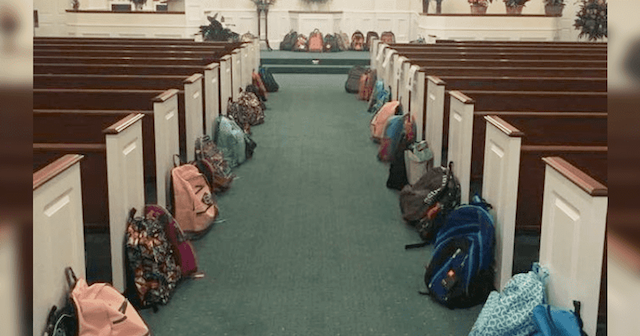 A Georgia teacher’s funeral saw all her loved ones turn up with backpacks filled with school supplies. It was Tammy Waddell’s final wish that those who come to pay their respects to her bring school supplies for needy students. The incredibly moving gesture has gone viral on the internet. Waddell died on June 9, 2018, succumbing to stomach cancer.

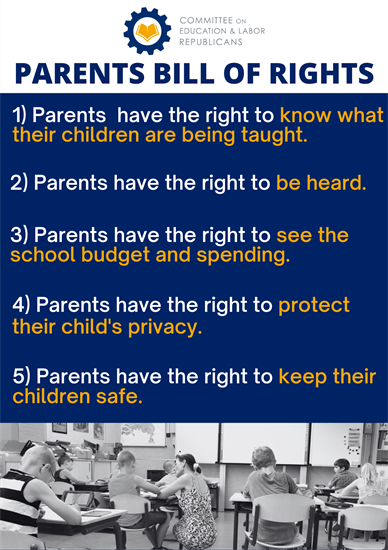 In a significant development, Let’s Go Washington, a citizen’s action group,
 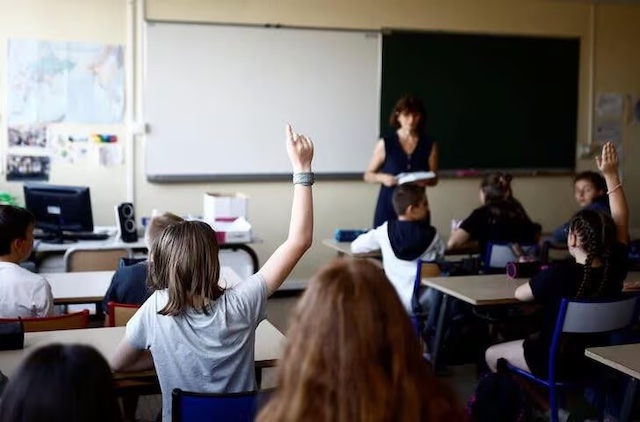 Teenagers’ mathematics and reading skills are in an unprecedented decline across dozens of countries and COVID school closures are only partly to be blamed, the OECD said on Tuesday in its latest survey of global learning standards.
 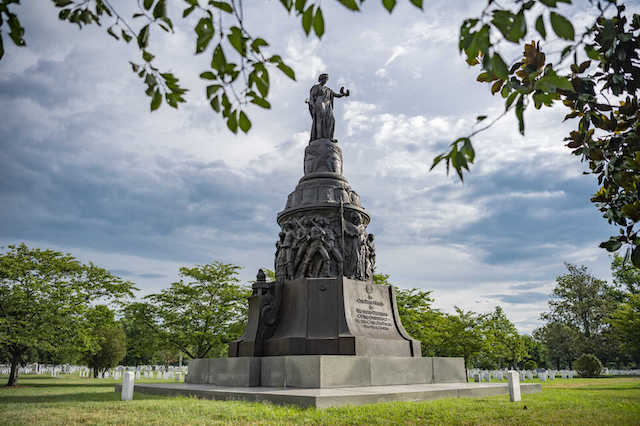 ARLINGTON, Va. (AP) — A Confederate memorial is to be removed from Arlington National Cemetery in northern Virginia in the coming days, part of the push to remove symbols that commemorate the Confederacy from military-related facilities, a cemetery official said Saturday.
 Public schools in Portland, Oregon, must take certain things into account when they discipline students. Portland Public Schools will now require staff to consider the race, gender identity, and sexual orientation when disciplining a student who gets in trouble.