(Bank Failures Played a Crucial Role in Deepening the Economic Crisis)
The Great Depression of 1929 stands as one of the most significant economic crises in modern history, casting a long shadow over the global financial landscape. Sparked by a catastrophic stock market crash in October, this era of intense economic turmoil led to widespread unemployment, poverty, and social unrest. In the United States, millions lost their jobs, homes, and savings, forcing families to confront an uncertain and often dire future. This article delves into the factors that precipitated the Great Depression, its profound impact on American society, the government responses that shaped economic policy, and the global ramifications of this devastating crisis. By understanding these aspects, we can glean valuable lessons that inform current economic practices and prepare us for future economic challenges.
The Causes of the Great Depression
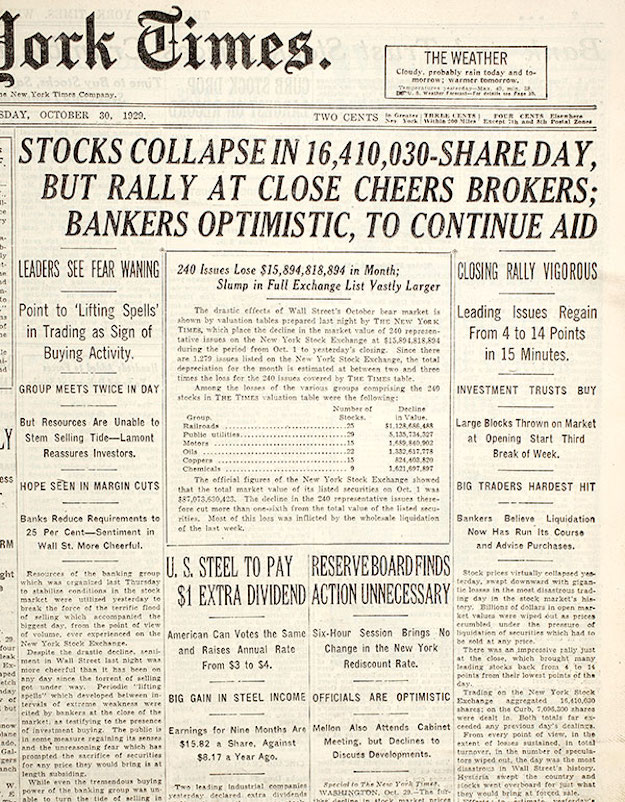 The Great Depression did not arise in a vacuum; it was the result of a confluence of several factors that had been brewing throughout the 1920s. To fully understand the causes of the Great Depression, it is essential to look at the economic environment of the 1920s, commonly referred to as the “Roaring Twenties.” This period was marked by significant economic growth, technological advances, and an unprecedented rise in consumer culture. However, this prosperity was built on shaky foundations, and cracks were starting to appear.
One of the primary catalysts for the Great Depression was the rampant speculation in the stock market. During the late 1920s, an increasing number of Americans began investing in stocks, often borrowing money to purchase shares in hopes of quick profit. This speculative bubble was characterized by inflated stock prices that did not reflect the actual value of the companies. The euphoria surrounding stock investments created an unsustainable market driven by the belief that prices would continue to rise indefinitely. Unfortunately, this led to an inevitable collapse when the bubble burst in October 1929, resulting in a dramatic stock market crash that sent shockwaves throughout the economy. Continue reading →

 I grew up in a little town about 25 miles north of Chicago called Northbrook, Ilinois at a time when everyone treated each other with respect. We didn’t eat a lot of fast food. We drank Kool-aid, ate lunch meat sandwiches, PB&J sandwiches, grilled cheese sandwiches, hot dogs, but mostly home made meal such as meatloaf, fried chicken, roast beef & pork chops, black eye peas, snap peas…
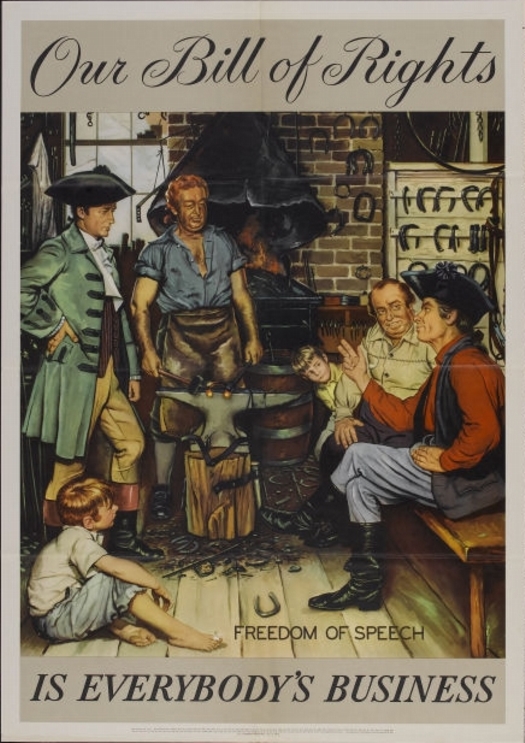 Most Americans have no idea their state has a constitution. They cannot name a single right it protects. Ask where their rights come from, and they will either plead the fifth or point to the federal Bill of Rights. What they do not know is that colonies first, then states, had declarations of rights before the federal government existed, often more expansive than anything the federal document would guarantee.
  Americans today have reached unprecedented heights of prosperity, but our economic system rests on a foundation that was built centuries ago under the direction of the nation’s first president, George Washington.
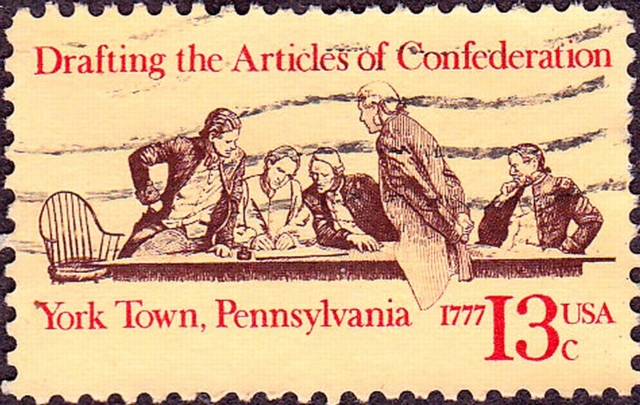 It is taken, in many cases, to be fact that the reason the Constitutional Convention was called and that the Constitution was ratified was because of the failure of the Articles of Confederation system. The folks at Heritage have made their position clear:
 Some conservatives are now bending over backwards to try to justify their calls for more federal intervention in local law enforcement around the nation. This has been problematic for many because some of these people also have pretended to be in favor of decentralization, local control, and a strict reading of the Constitution when it suits them.

 “You should own no book that you are afraid to mark up.”
 Led as they are by sinful men, many human governments abuse their power and authority and inflict great suffering both on their own subjects and on the people of other nations.
 It is that time of the year once again – for those who still follow the game of Baseball – the 2025 World Series. I no longer follow sports – I have no time, but this is today – but this was yesterday!
 In his article “Is the Constitution Broken beyond Repair?” David Gordon draws attention to a phenomenon that is often overlooked, namely, the great rejoicing among some constitutional lawyers over the fact that “to establish the new Constitution, Lincoln overthrew the first one… he replaced the old, immoral Constitution with a new one based on equality.” This is indeed one reason why some of Lincoln’s admirers still celebrate the burning of the South by the Union Army – the devastation and destruction of the South symbolizes for them the brave new world of equality and social justice forged by a righteous army through fire and steel.
 The adoption of the Declaration of Independence of “the thirteen united States of America” on July 4, 1776 formally ended a process that had been set in motion almost as soon as colonies were established in what became British North America. The early settlers, once separated physically from the British Isles by an immense ocean, in due course began to separate themselves politically, as well. Barely a decade after Jamestown was founded, the Virginia Company in 1619 acceded to the demands of the residents to form a local assembly, the House of Burgesses, which, together with a governor and council, would oversee local affairs. This arrangement eventually was recognized by the crown after the colony passed from the insolvent Virginia Company to become part of the royal domain. This structure then became the model of colonial government followed in all other colonies.