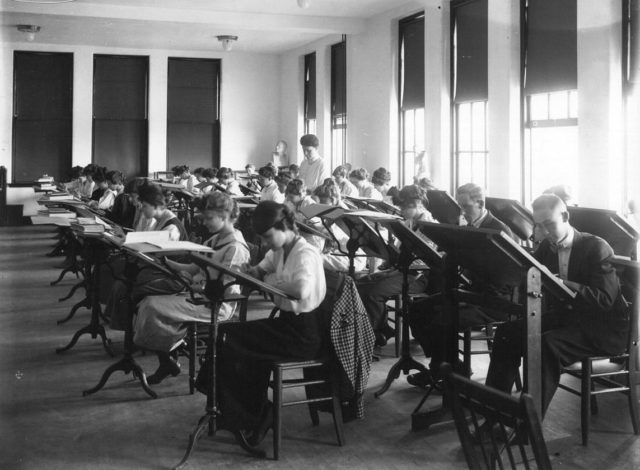
We understood, more than 100 years ago, how to teach children so that they would become successful, well educated adults. Did we forget how to teach, or was a decision made to change curriculum to deliberately degrade the educational system? Take over your school boards. Change the curriculum back to what has been proven to work. These people are your employees. Demand results. To save America we must save one child at a time. ~ Rosemary Stein, MD
 I recently spent an evening with a group of college students. Like most young people their age, they were engaged in their studies and eager to share about semesters spent abroad and future plans.
But then the topic changed. Instead of talking about pop culture or other common subjects, these young people started discussing… their favorite Shakespeare plays. And not just Romeo and Juliet, either. We’re talking lesser-known ones like Henry IV (part one and two) Julius Caesar, and others. Clearly, these students had received a well-rounded education, not only in college, but in high school as well. Continue reading →

 I was at a public park this weekend when I noticed a family preparing for a photo shoot. This family caught the attention of everyone else in the park as well, namely because of the screams emanating from one of its younger members.
 Over the weekend, I had an interesting chat with a friend about her daughter’s preschool program. She confessed to me that she couldn’t wait until the school year was over, for the preschool program dominated their lives. The schedule, she explained, interfered with other outside learning opportunities. At the same time, one of the main things her daughter was learning in the program was how to line up – perfect for fostering an environment of compulsion, but not for encouraging creativity or an enthusiasm for learning.
  It seems like every graduation season has its stories of whiz kids. The kids who are so ambitious and so accomplished that they’re graduating from high school, and even college, before the normal time.
 When it comes to writing, American kids just don’t cut it. Only 27 percent of eighth grade students achieve proficiency in the subject, according to The Nation’s Report Card.
 By now, many parents know there is something seriously wrong with the average American school. Time and again, children go into the school system as bright bundles of energy, curious about the surrounding world, and time and again, they stagger through the system frustrated and losing their interest in learning. Unfortunately, parents have firsthand knowledge of what former New York teacher John Taylor Gatto explained in his book,
  High school English teacher Paul Barnwell made two interesting observations in July of 2016 in
  But high school students in New Zealand appear to have moved beyond this tired excuse, for instead of blaming the dog, they are turning their own ignorance into an excuse for victimhood.
 Although homeschool anecdotes are a dime a dozen, hardcore statistics on this emerging education trend are often few and far between.
 I burst out laughing the other day while reading a friend’s Facebook status. He explained that he and his two grade school sons were watching Anne of Green Gables when they came to the part where Anne and Diana have a conversation while standing on a cliff overlooking the sea. The youngest son suddenly blurted out, “Anne better watch out, Diana might push her off the cliff.”
  Everyone expects the first week of school to contain some hiccups. Even though we all know that our children are perfect angels and would never give their teachers trouble, the transition to schedules and classmates can also contain behavior problems that mom and dad will eventually hear about.
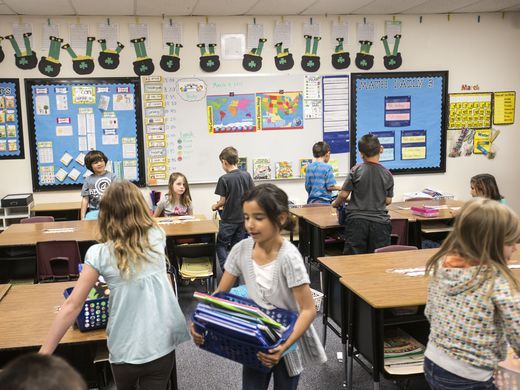 There’s always something thrilling about the start of a new school year or semester. New clothes to wear. Fresh books to explore. New teachers to meet. It’s all become a part of what we call back-to-school and the education experience.
 By now, it’s a well-known fact that American adults

 Last fall we shared a new bit of
  In 2013, the
  In the last several years, Americans have been sensing that something is seriously wrong with the current crop of young people. True, they are likely to have the most education credentials any generation has ever received. They also are technically-savvy, and as such, have a wealth of knowledge at their fingertips.