
 The average American is inundated with hundreds of voices every day. Politicians. Talking heads. Entertainment stars. Teachers. Students. The list could go on.
But while there are multiple voices, many of the big ones seem to give a similar message concerning politics, culture, and education. Especially education.
Just what is this education message? It often includes suggestions of more money, more hours in a school day, and the incorporation of children into the school system at ever earlier ages, largely through Pre-K education. Continue reading

 November 6, 2015 ~ Last week the Nation’s Report Card
  I recently dug up a 1908 curriculum manual in the Minnesota Historical Society archives. It provided instructions on everything from teacher deportment to recommended literature lists for various grades. As a book lover, I was especially interested in the latter!
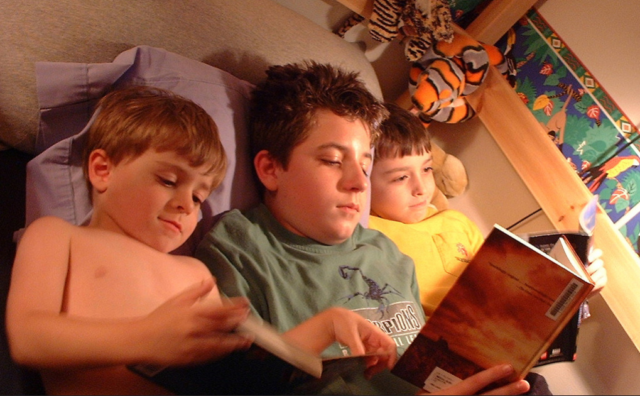 While at a gathering of friends several months ago, I stopped to chat for a few minutes with a twelve-year-old boy whom I’ll call Davy.
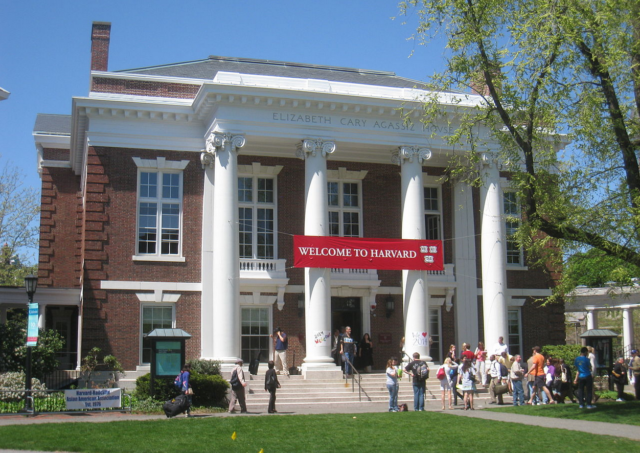 If one was to name a leading institution of higher education in America, Harvard University would definitely be one of the first to come to mind. After all, anyone with the name Harvard on his resume is practically guaranteed an open door to all kinds of profitable careers. The trick, then, is to get into such a prestigious school.
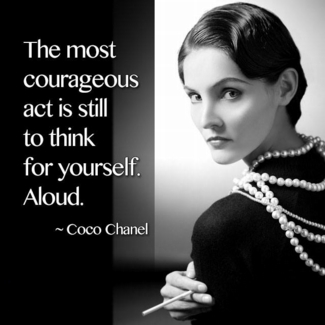 By now it’s old news that many Americans can no longer think for themselves. True, they have strong opinions, but often those opinions are influenced by prominent leaders and can turn around as quickly as the winds of political favor.
 In recent years, many Americans have adopted the idea that public education is neutral ground. Such a mentality has undoubtedly sprung from the fact that the public school is the agent of the government, an entity which strives to keep itself clear from sectarian, political, or other ideological viewpoints.
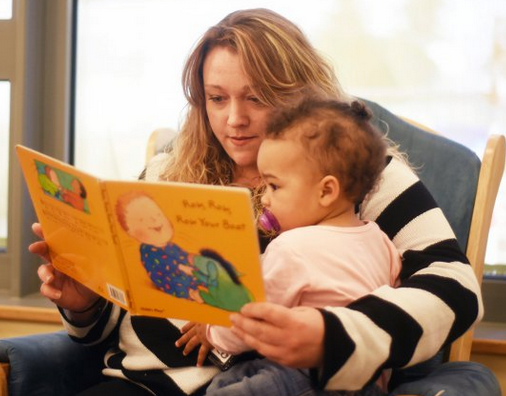 Sometimes it seems that America is on a never-ending quest to boost achievement and make education better. One year, classroom technology is the answer to the problems. The next year, the answer is universal preschool. The year after, test abolishment is believed to be the solution. And on it goes.
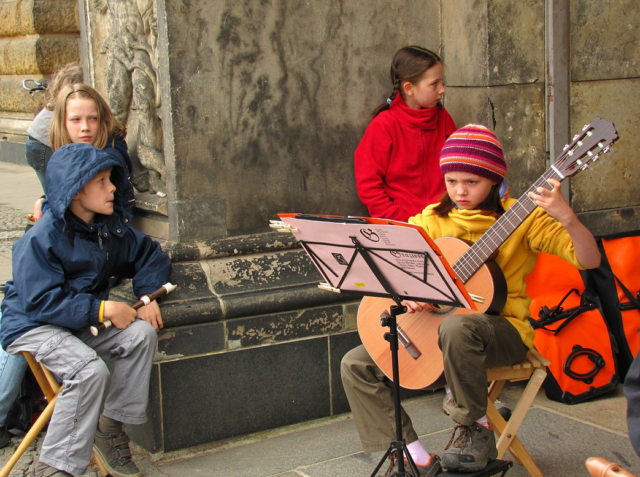 We all want the best for our kids. Because of this desire, it’s quite discouraging to see when efforts to boost progress in reading, math, and other subjects flatline in schools across the country, as the chart below shows.
  One of the hallmarks of modern America is the tendency toward prolonged childhood. While it used to be the norm to enter the adult working world by one’s mid-to-late teens, students now extend their preparation for career well into their twenties (and sometimes beyond), enabled by parents who act as their caretakers, education experts who insist that they get as much classroom education as possible, and a government that encourages them to stay on the family health plan until age 26.
  To many Americans, high school seems like a normal part of life. To not attend is unheard of; to fail to graduate is a death sentence for one’s future.
 For generations, each autumn has bestowed the unofficial arrival of adulthood on young people as they head off to college for the first time.
 Since Donald Trump got into office and appointed school choice supporter Betsy DeVos as the national education secretary, a good deal of ink has been spilled on the issue of school vouchers.
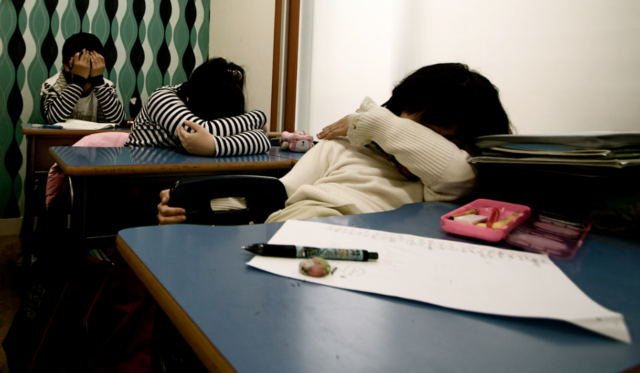
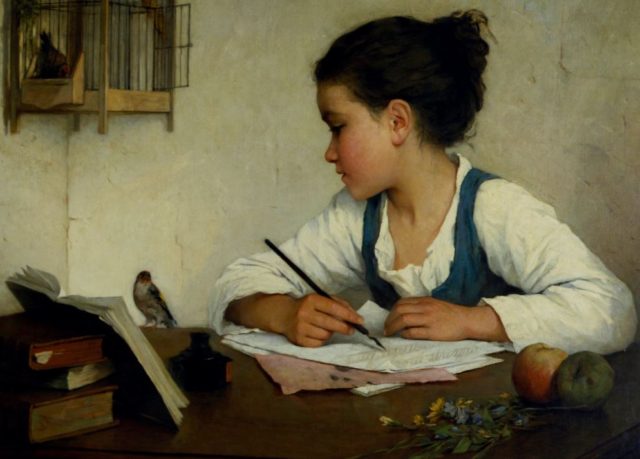
 According to the Nation’s Report Card, only 27 percent of 8th graders attain proficiency in writing. But no problem, right? They’re just leaving middle school. Give them a few years under the instruction of high school English instructors and all will be well.
 According to a recent article in the British Psychological Society’s Research Digest, preschool-age children have a special talent for memorizing and remembering rhymes. As the Digest explains, a recent study found that, compared to their parents and other older adults, young children are able to recall “nearly twice as many correct words” from the rhyming stories they hear, all while making “far fewer errors.”
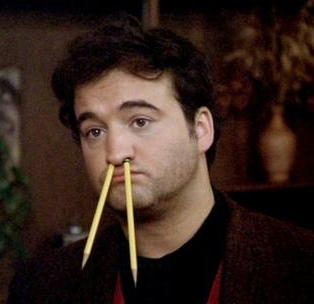 For a number of years, it was assumed that public education was swimming along, efficiently educating children of all ages. More recently, the products coming out of public schools have caused a troubling concern to leap into the minds of adults: are schools dumbing down the content they teach to students?
 The other day, a judge used a
 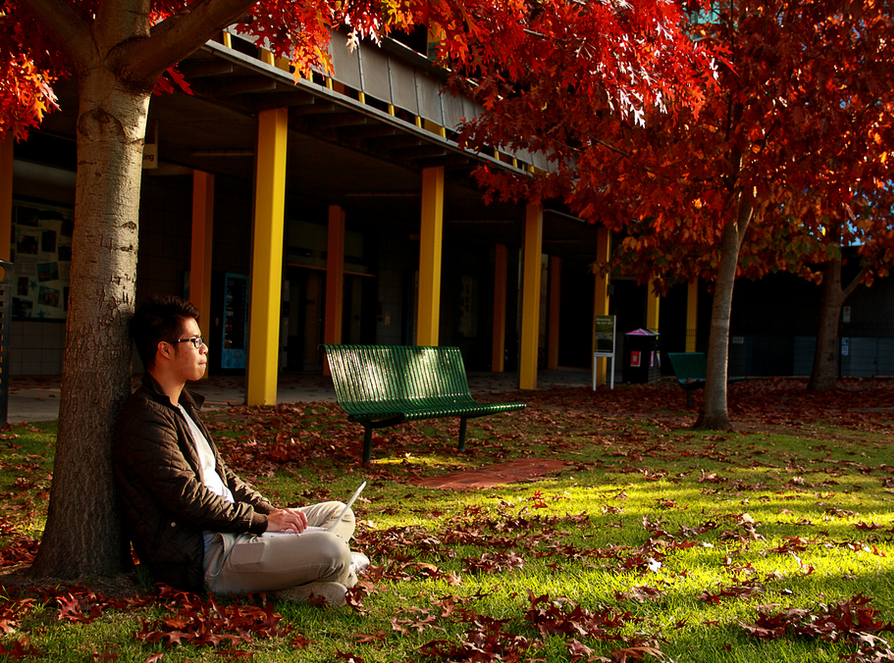 It’s no secret that homeschooling has experienced exponential growth in recent years. So much so, that Chris Weller noted in Business Insider that the homeschool population may soon overtake that of charter schools.