When New York Produced Giants for Liberty
“The idea pervades the bill that severe penalties will secure enforcement; but all experience shows that undue severity of laws defeats their execution … [N]o law can be sustained which goes beyond public feeling and sentiment. All experience shows that temperance, like other virtues, is not produced by lawmakers, but by the influences of education, morality and religion. Men may be persuaded — they cannot be compelled — to adopt habits of temperance.” ~ Horatio Seymour, 1854
 This essay is about a long-forgotten New Yorker who served in his state’s legislature and twice as governor, then nearly became President of the United States. Much respected, even beloved by many in his day, his name was Horatio Seymour. He deserves to be dusted off and appreciated now, almost 130 years since his death. But first, some context.
The Democratic Party in the state of New York these days is about as “liberal” (in the twentieth-century, American sense of the term) as it gets. On economic issues in particular, it is reliably statist, meaning it rarely deviates from the “more government is the answer” mentality, no matter how strongly logic or evidence point elsewhere. But not so long ago, New York’s Democrats were largely of the opposite persuasion. They were often what we now would call “classical liberals,” ardent skeptics of the concentration of power. Classical liberals really believed in liberty; today’s liberals really don’t. Continue reading →

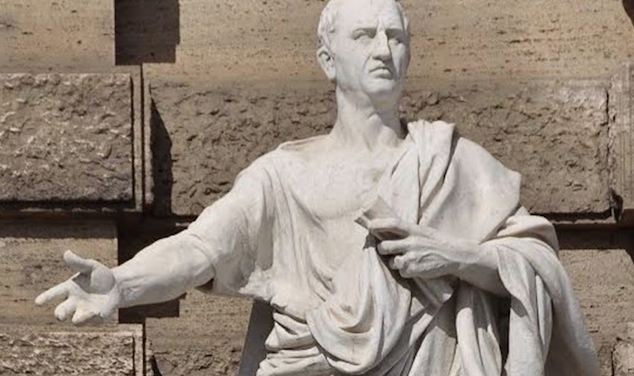 John Adams said of Marcus Tullius Cicero (106-43 BCE) that “All ages of the world have not produced a greater statesman and philosopher combined.” Anthony Everitt called him an “architect of constitutions that still govern our lives.” Thomas Jefferson said the Declaration of Independence was based on “the elementary books of public right, as Aristotle, Cicero, Locke, Sidney, etc.” Continue reading
  The Topeka girl was just nine years old when her father Oliver Brown tried to enroll her at Sumner Elementary School, an all white school in 1951.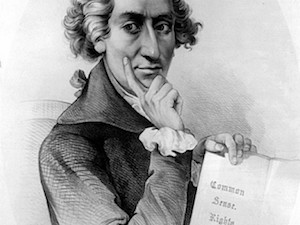
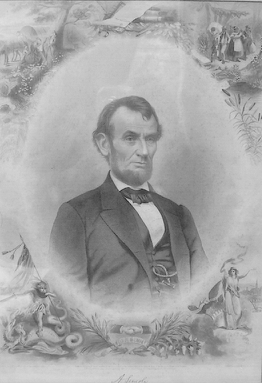 The title of this article is a legitimate question – not only for Lincoln, but for the rest of us as well. Do our political actions reflect our theology? If you look today at some of these Democrats and RINO’s that hate Trump and will do or say anything to hurt his agenda, true or not, (and most of the time it isn’t) you have to ask if what they are doing reflects their theology – and if it does – then what does it say about the god they serve?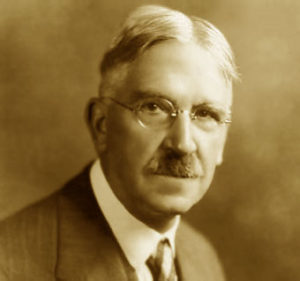
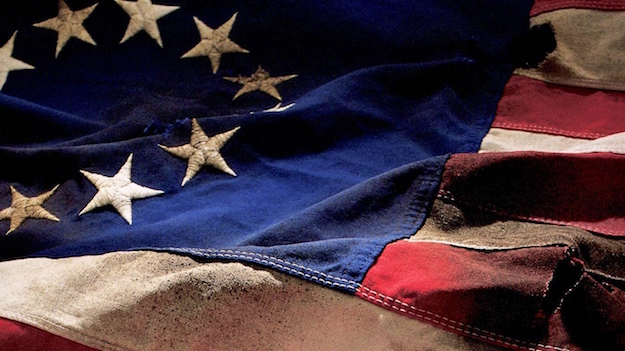 John Dickinson was among America’s most important founders. He was a colonial legislator, member of the Stamp Act, Continental, and Confederation Congresses, chief executive of both Delaware (by a 25 to 1 vote; his being the only opposed) and Pennsylvania, president of the 1786 Annapolis convention that led to the Constitutional Convention, and among the most informed and seasoned statesmen to attend it. Historian Forrest McDonald wrote that, but for Dickinson and a few others, “the resulting constitution would not have been ratified.”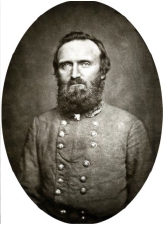
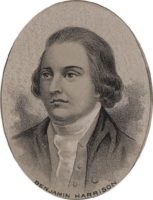 Benjamin Harrison the Signer was born at Berkely (later called Harrison’s Landing) in Charles City County, Virginia. He was the son of Benjamin Harrison and Anne Carter Harrison, daughter of Robert ‘King’ Carter of Corotoman. After education at the College of William and Mary this Benjamin in 1749 became the fifth in a line of planter/politicians of the same name to sit in and stolen slaves were returned or replaced. And when an excise was proposed in place of the Impost he fought against it as a Yankee plot, and brought to bear upon the struggle all of his resources.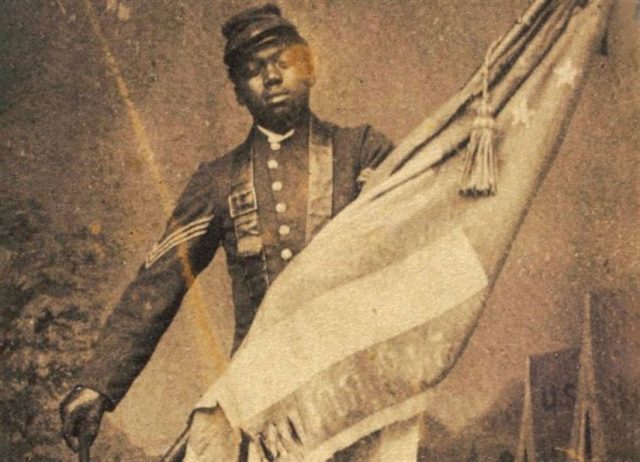

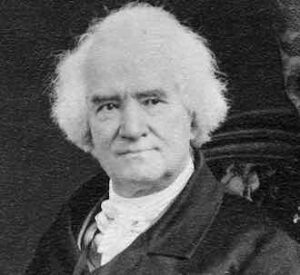 Does the Dallas task force on Confederate monuments know what the antebellum politician, for whom their city was named, thought about the Congressional Acts that supported slavery?
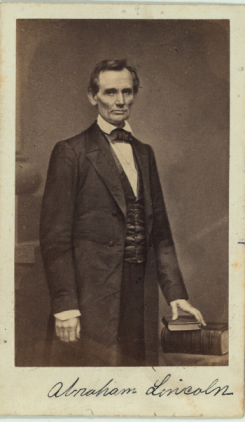 A while ago, I was dumbstruck by a
 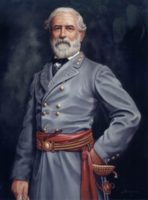 Let me begin on a personal note. I am a 56-year-old, third-generation, African American Washingtonian who is a graduate of the D.C. public schools and who happens also to be a great admirer of Robert E. Lee.
 February 24, 2009
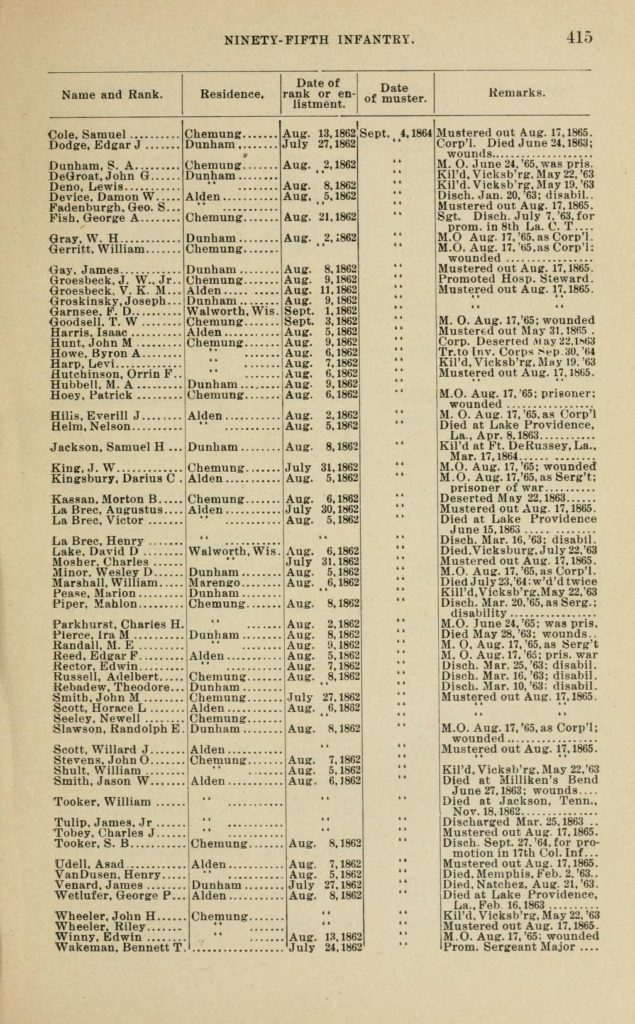 It is hereby certified that the records of this department indicate that: